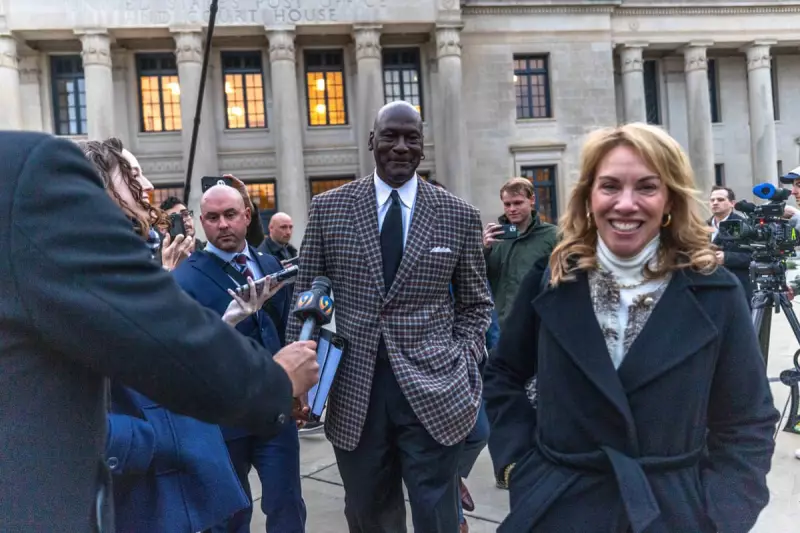
Basketball icon Michael Jordan has taken the stand in a high-stakes legal battle, providing testimony in a federal antitrust lawsuit that accuses NASCAR of operating as an illegal monopoly. The case, which could reshape the landscape of American stock car racing, centres on allegations that the sanctioning body's practices unfairly suppress competition and harm team owners like Jordan himself.
The Core of the Legal Dispute
The lawsuit, filed in the U.S. District Court for the Northern District of Illinois, represents a significant challenge to NASCAR's long-held business model. The plaintiffs, which include Jordan's own 23XI Racing team, argue that NASCAR wields its power to control key aspects of the sport unlawfully. This includes the allocation of lucrative charter agreements, which guarantee entry into premier Cup Series races and a share of the sport's television revenue.
Jordan, who co-owns 23XI Racing with driver Denny Hamlin, is a pivotal figure in the case. His testimony, delivered in a Chicago courtroom, lends considerable weight to the plaintiffs' claims. He argued that NASCAR's structure makes it exceedingly difficult for team owners to operate profitable businesses, as the organisation allegedly restricts economic opportunities and controls costs in a way that benefits itself at the expense of the teams.
Allegations of Monopolistic Control
The legal complaint outlines several areas where NASCAR is accused of anti-competitive behaviour. A central allegation is that NASCAR monopolises the market for top-tier stock car racing events in the United States. By owning the premier series and its tracks, the suit claims NASCAR can dictate terms to teams, sponsors, and tracks, stifling any potential competition.
Furthermore, the charter system is under intense scrutiny. Teams contend that the limited number of charters—only 36 exist—creates an artificial scarcity, inflating their value and allowing NASCAR to impose restrictive conditions. The plaintiffs allege this system prevents the formation of a competitive market for racing services and locks team owners into an unfavourable financial relationship with the sanctioning body.
Potential Ramifications for the Sport
The outcome of this lawsuit could have profound consequences for one of America's most popular sports. If the plaintiffs succeed, it could force NASCAR to dramatically alter its relationship with team owners, potentially leading to a new revenue-sharing model, a more independent team structure, or even the emergence of rival racing series.
For Michael Jordan and 23XI Racing, the stakes are deeply personal and financial. His involvement underscores the growing frustration among team owners who invest hundreds of millions of dollars but feel they have little say in the sport's governance and economic future. The case is being closely watched by the entire motorsport industry, as it may set a precedent for how single-sanctioning body sports leagues operate under U.S. antitrust law.
The trial is expected to continue with further testimony from economic experts and other NASCAR stakeholders. The final ruling could either reinforce NASCAR's current operational model or mandate the most significant overhaul in the sport's modern history.