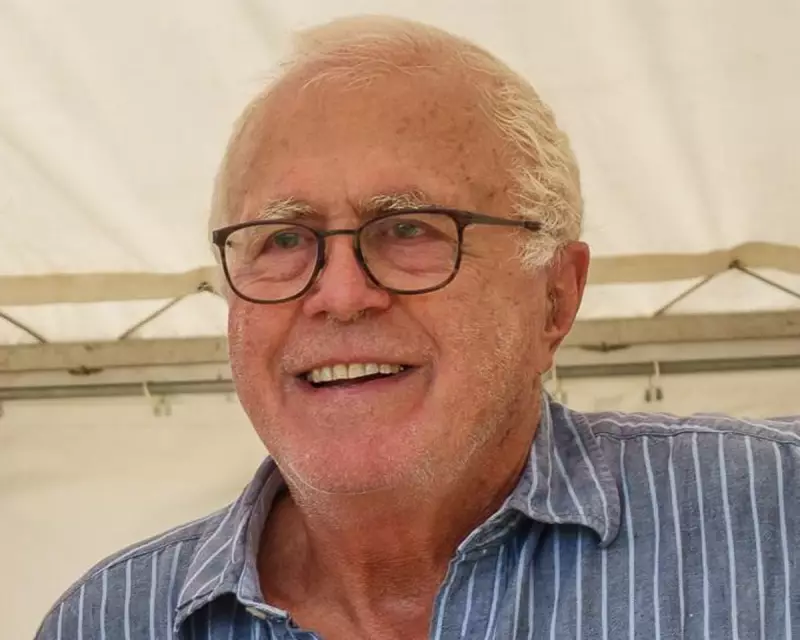
The world of motorsport is mourning the loss of Peter Wright, the brilliant engineer who helped transform Formula One through innovation, most notably as the co-inventor of the game-changing 'ground effect' chassis. Wright, who has died at the age of 79, also played a pivotal later role in dramatically improving driver safety worldwide.
From Cambridge Third to F1 Revolutionary
Born in Farnham, Surrey, to polar explorer John Wright and Dorothy Fetherstonhaugh, Peter Wright's early life was unconventional, including being home-schooled in Sudan. Despite his obvious gifts, he admitted to neglecting his studies at Trinity College, Cambridge, graduating with a third-class degree in mechanical engineering.
His career ignited in 1967 with a holiday job at British Racing Motors (BRM). He impressed technical director Tony Rudd so much that he was offered a full-time role working on complex engine and aerodynamic projects. After a stint at Specialised Mouldings, where he caught the eye of Lotus founder Colin Chapman with his work on lightweight structures, he joined the iconic Lotus team in 1974.
The Lotus Years: Ground Effect and Active Suspension
Wright's legacy was cemented at Lotus. In collaboration with designer Ralph Bellamy, he co-created the revolutionary 'ground effect' chassis design. This innovation used shaped underbody tunnels to create a low-pressure area, sucking the car onto the track. The result was a massive increase in aerodynamic downforce, dramatically improving tyre adhesion and cornering speeds.
This technology was instrumental in securing the 1978 Formula One World Constructor's Championship for Lotus. Wright later rose to become managing director of Lotus Engineering, where he refined another radical concept: the computer-controlled 'active suspension' system he had initially pioneered with Chapman.
He was a dedicated figure within the team, working tirelessly with others to keep the Lotus racing operation alive amidst financial struggles until its eventual closure in 1994.
A Lifesaving Second Act with the FIA
Wright's expertise then took a vital new direction. Hired by FIA president Max Mosley, he joined the sport's governing body to lead improvements in driver safety. Working closely with the legendary FIA medical delegate, Professor Sid Watkins, Wright applied his engineering mind to saving lives.
He helped develop new cockpit materials, advanced helmet designs, and improved safety barriers. These innovations led to a stark reduction in fatal and life-altering accidents in motorsport and also influenced safety in domestic road car design. In recognition of this critical work, he was appointed president of the FIA Safety Commission in 2010, a role he held until 2021.
Away from the circuit, Wright was a man of diverse passions. He restored and flew a vintage Tiger Moth, developed engine systems for gliders, and built and raced classic sports cars like a Bugatti Type 51. On a hillside in Powys, Wales, he constructed a sustainable, off-grid home from a derelict barn, where he lived with his third wife, Dorothy, whom he married in 2018.
He was also an author, penning 'F1 Technology' in 2003 and a richly entertaining memoir, 'How Did I Get Here?', published in 2024.
Peter Wright's first two marriages, to Melody Sanger and Hanna Woolhouse, ended in divorce. He is survived by his wife, Dorothy, and his three children: Meg and Alice from his first marriage, and Harold from his second.