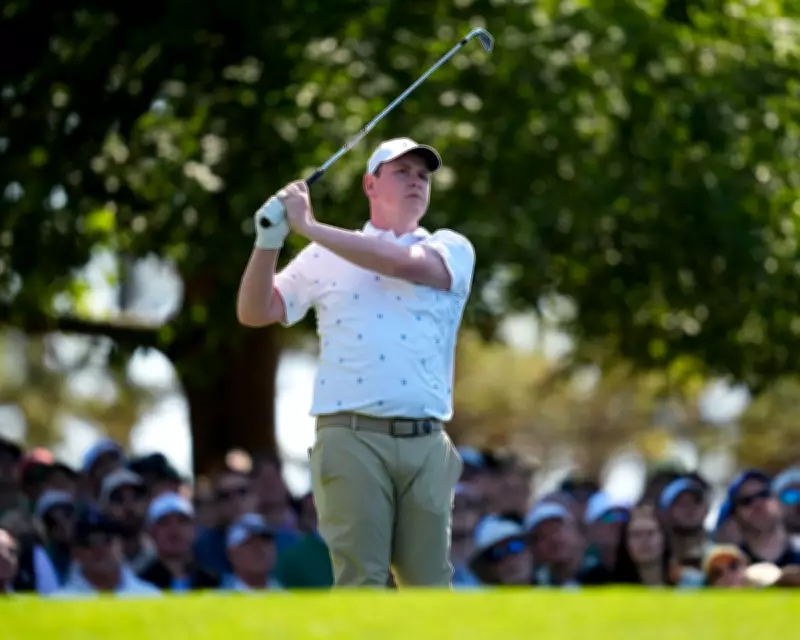
Robert MacIntyre Skips Media Duties After Masters Second Round
Scottish professional golfer Robert MacIntyre has made headlines by avoiding media interviews following his second day of play at the prestigious Masters Tournament held at Augusta National Golf Club. This decision came after MacIntyre completed his round on Friday, opting not to engage with the press as is customary for players in major golf events.
Details of the Incident at Augusta National
According to reports, MacIntyre, who is competing in one of golf's most iconic tournaments, chose to bypass the traditional post-round media session. This move is notable because the Masters, like other major championships, typically requires players to participate in press conferences or interviews to discuss their performance and share insights with fans and journalists. The exact reasons for MacIntyre's avoidance have not been officially disclosed, but it has sparked speculation among golf analysts and enthusiasts.
MacIntyre's performance during the second round was closely watched, as he navigated the challenging course at Augusta. While specific scores or rankings from that day were not detailed in the original report, his decision to dodge media attention has drawn attention to the pressures and expectations faced by athletes in high-stakes environments. This incident highlights the broader dynamics of player-media relations in professional sports, where interactions can influence public perception and career trajectories.
Broader Implications for Golf and Media Relations
The avoidance of media duties by MacIntyre raises questions about the balance between player privacy and the demands of sports journalism. In golf, major tournaments like the Masters attract global audiences, and media coverage plays a crucial role in shaping the narrative around players and events. MacIntyre's action may reflect a growing trend among athletes seeking to manage their public image or reduce distractions during competitive periods.
Experts suggest that such incidents can impact a player's reputation, potentially leading to scrutiny or criticism from fans and commentators. However, it also underscores the intense focus and stress that come with competing at the highest levels of sport. As the Masters continues, observers will be watching to see if MacIntyre addresses the media in subsequent rounds or if this becomes a recurring theme in his career.
This story serves as a reminder of the complex interplay between athletic performance and media engagement in modern sports. For MacIntyre, navigating these challenges will be key as he progresses in his professional golf journey, with future tournaments likely to test his ability to handle both on-course pressures and off-course expectations.