
FIFA World Cup Tickets Resold for $11 Million as Secondary Market Prices Skyrocket
In a stunning development for global football, tickets for this year's FIFA World Cup are commanding astronomical prices on the official resale platform, with one premium seat listed for an eye-watering $11 million. The soaring costs are forcing dedicated fans to consider extreme financial measures, including taking out second mortgages, just to secure access to matches across North America.
Record-Breaking Ticket Prices for Premium Matches
The most jaw-dropping listing involves a category four ticket at Miami's iconic Hard Rock Stadium, which grants entry to Scotland's marquee group stage clash against Brazil. This single ticket carries a staggering price tag of $11 million on FIFA's authorized World Cup resale website, setting a new benchmark for secondary market sports pricing.
While England's group stage fixtures come with slightly more accessible—though still exorbitant—price points, fans face substantial financial hurdles. Tickets to watch England face Croatia are available for $17,000, while the match against Ghana commands $29,000. The potential group decider against Panama is listed at $17,000, creating a significant barrier for ordinary supporters.
Scotland's Fixtures Command Premium Prices
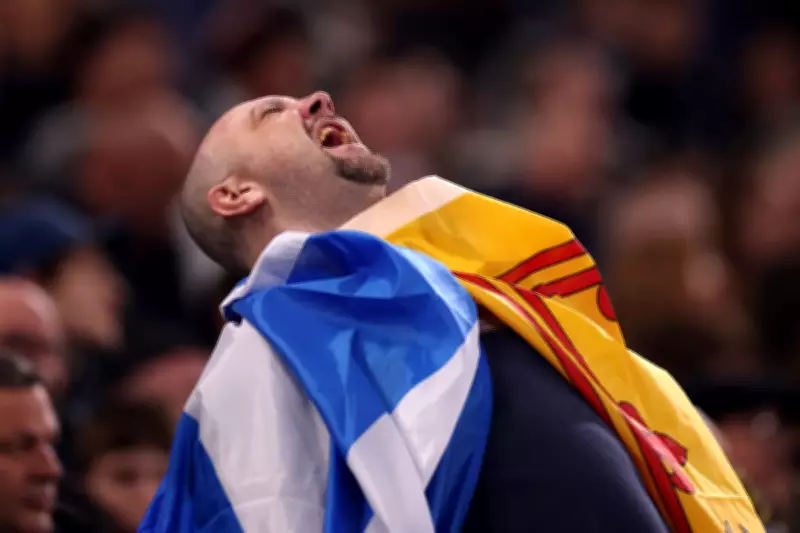
Scottish fans are confronting particularly steep costs for their national team's appearances. Tickets for Scotland's match against Haiti are being resold for $85,000, while the encounter with Morocco carries prices as high as $57,500. These figures represent a dramatic escalation from standard ticket face values and highlight the intense demand for limited seating.
Football Finance Expert Analyzes FIFA's Strategy
Kieran Maguire, a respected football finance analyst, provided insight into FIFA's apparent ticketing approach. "FIFA are being very coy as to the number of tickets that have been sold for the tournament," Maguire told City AM. "It would appear that the strategy is to initially try to sell as many tickets to as many people as possible regardless of whether or not those people are football fans."
Maguire continued, "It does appear that they may have been oversubscribed even at high prices with a view to people putting them on the secondary market and then making a profit from flipping the tickets. This is actually really good news for FIFA because they get the benefits of selling tickets initially through the first sets of releases."
The financial expert noted FIFA's double benefit from this system: "FIFA keeps the money from the sales and if people then resell the tickets, FIFA takes a 30 per cent commission on the margin."
Widespread Availability on Resale Platforms
Thousands of tickets are currently available on FIFA's official resale platform for all six group stage matches involving England and Scotland. These games will take place across major North American venues in Dallas, Boston, New Jersey, and Miami, creating logistical challenges alongside financial ones for traveling supporters.
Fan Organizations Express Deep Concern
Paul Goodwin, co-founder of the Scottish Football Supporters Association, voiced serious worries about the financial impact on dedicated fans. "There will be a lot of second mortgages and costs being put on credit cards," Goodwin told the Press Association. "You can laugh about it, but there is a worry that some people are actually going to overextend themselves."
Goodwin expressed frustration with the growing commercialization of the sport, stating, "It's another huge disappointment. It's a kick in the goolies to ordinary fans and another reminder that the further up the tree that you go, the game is getting further and further away from its origins and the people who will turn up on a wet Tuesday night in Forfar."
The escalating ticket prices on secondary markets reflect broader trends in sports economics, where major events increasingly cater to corporate interests and wealthy spectators rather than traditional fan bases. As the World Cup approaches, these pricing dynamics raise important questions about accessibility and the true spirit of international football competition.