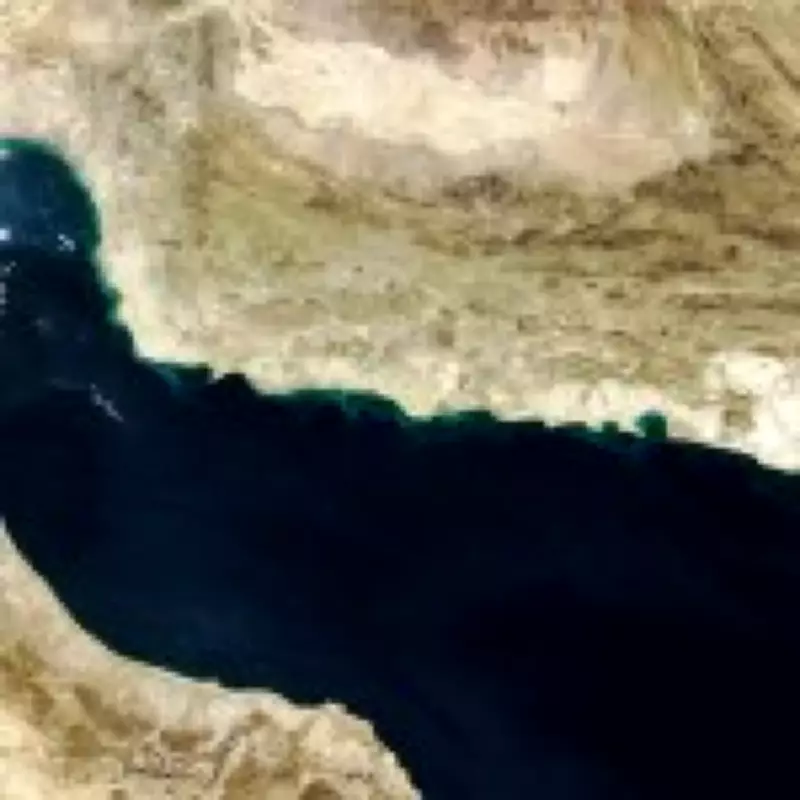
In a lengthy and rambling Truth Social post, former President Donald Trump declared that Iran is currently under precise satellite surveillance conducted by the United States Space Force. He stated, 'The United States will work closely with Iran, which we have determined has gone through what will be a very productive Regime Change.' Trump emphasized that there would be no uranium enrichment and that the U.S., in collaboration with Iran, would excavate and remove all deeply buried nuclear 'dust,' referencing B-2 Bombers.
Surveillance and Nuclear Claims
Trump highlighted the surveillance efforts, writing, 'It is now, and has been, under very exacting Satellite Surveillance (Space Force!). Nothing has been touched since the date of the attack.' He also mentioned ongoing discussions about tariff and sanctions relief with Iran, noting that many of the 15 points in negotiations have already been agreed upon. The Space Force, established by Trump in 2019 as a branch of the U.S. military, has often been viewed with a mix of seriousness and unintentional comedy, but its role in monitoring Iran's activities remains unclear from his post.
Background on Nuclear Dust and Past Actions
The term 'nuclear dust' likely refers to hidden uranium stores that Iran allegedly buried in sand during the brief 12-day Iran-U.S. war. Last year, the U.S. struck alleged nuclear facilities in Iran, effectively 'entombing' a significant supply of nuclear material at a site in Isfahan, as reported by the New York Times. Although access to this material is challenging, concerns persist that Iran could exploit a 'narrow point' to retrieve it for weapon-building purposes.
In March, when questioned about deploying ground forces to recover the uranium, Trump responded, 'Right now we're just decimating them, but we haven't gone after it. But something we could do later on. We wouldn't do it now.' Last year, the U.S. opted not to retrieve the element due to perceived high risks. Concurrently, the U.S. and Israel have conducted operations targeting Iran's military capabilities, leadership, and nuclear program.
Ceasefire and Future Plans
A two-week conditional ceasefire between Iran and Israel/the U.S. was agreed upon as of yesterday. Trump commented on Truth Social, 'Iran wants it to happen, they've had enough! Likewise, so has everyone else! The United States of America will be helping with the traffic buildup in the Strait of Hormuz.' He added, 'There will be lots of positive action! Big money will be made. Iran can start the reconstruction process.'
Iran's security council has announced it will submit a 10-point plan to the U.S. through Pakistan, though it clarified that the war is not over. This development follows a period of heightened tensions and military engagements between the nations.
Context and Reactions
Trump's post comes amid broader geopolitical shifts and public scrutiny. His claims about surveillance and nuclear management reflect ongoing strategies in U.S. foreign policy, though details remain vague. The Space Force's involvement underscores the evolving nature of military operations in space, even as its practical applications in such scenarios are debated.
This announcement ties into previous reports where Trump discussed potential military actions and diplomatic maneuvers with Iran, highlighting the complex and often volatile relationship between the two countries. As negotiations progress, the focus remains on how these surveillance and nuclear cleanup efforts will unfold in the coming months.