World Cup Boycott Calls: Why Sporting Sanctions Often Fail to Deliver Political Change
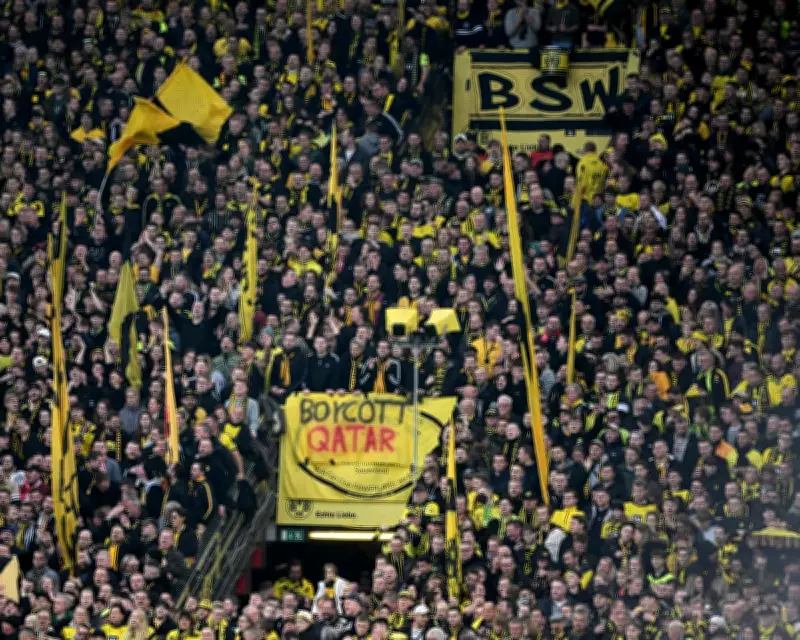
Recent calls from German football officials to consider boycotting the 2026 World Cup in the United States have reignited debates about using international sports as a tool for political protest. However, historical evidence suggests such boycotts rarely achieve their intended political objectives while imposing significant costs on athletes and fans.
The German Initiative and Historical Precedents
German soccer federation vice-president Oke Göttlich has called for serious discussion about boycotting the 2026 tournament, citing concerns about various US policies. Göttlich, who also serves as president of Hamburg's countercultural FC St. Pauli, referenced historical Olympic boycotts as justification for considering similar action in football.
"What were the justifications for the boycotts of the Olympic Games in the 1980s?" Göttlich questioned. "By my reckoning, the potential threat is greater now than it was then. We need to have this discussion."
This comes as approximately twenty European soccer federations have reportedly discussed boycott possibilities, creating a significant continental conversation about the relationship between sport and politics.
The Limited Impact of Sporting Boycotts
Historical analysis reveals that sporting boycotts typically fail to achieve meaningful political change. The 1980 Moscow Olympics boycott by Western nations and the retaliatory 1984 Los Angeles boycott by Eastern Bloc countries demonstrate this pattern clearly.
- The Soviet Union did not withdraw from Afghanistan until 1989, nearly a decade after the Moscow boycott
- Both Olympic events were significantly diminished for athletes and spectators
- Political posturing outweighed substantive policy changes
World Cup history shows even fewer boycott examples, with most relating to sporting rather than political disputes. The limited instances include:
- Uruguay refusing to attend the 1934 tournament after poor European participation in 1930
- African nations boycotting 1966 over qualification allocation (which did achieve sporting reform)
- The USSR refusing to play Chile in 1974 qualifiers after political upheaval
Who Really Suffers from Boycotts?
The practical consequences of sporting boycotts typically fall most heavily on unintended parties rather than political targets. In the case of a potential 2026 World Cup boycott:
Political administrations like the current US government would likely experience minimal material impact. As with previous boycotts, the targeted leadership might dismiss the action as irrelevant to their policy decisions.
Football governing bodies like FIFA would certainly face embarrassment but would still receive substantial broadcast and sponsorship revenues regardless of participation levels.
The real costs would be borne by:
- Athletes denied once-in-a-lifetime competitive opportunities
- Fans unable to support their national teams on football's biggest stage
- Workers and businesses depending on tournament-related tourism and employment
- Local communities anticipating economic benefits from hosting
The Noble Impulse Versus Practical Reality
There exists within football communities a persistent belief that the sport should positively influence global affairs. This idealism represents a noble aspiration within an often cynical industry.
However, when administrations demonstrate limited concern for international opinion or diplomatic convention, sporting boycotts become particularly ineffective tools. The current political climate in many nations suggests that absence from tournaments might simply be ignored rather than prompting policy reconsideration.
Some argue that participation with protest might prove more effective than absence. As one perspective suggests: "All the better to show up and lodge your protest in person. Nobody will hear you if you're not there to speak up."
Looking Toward 2026
As discussions continue among European football federations, several key considerations emerge:
- Historical evidence strongly suggests sporting boycotts rarely achieve political objectives
- The costs disproportionately affect athletes, fans and workers rather than political targets
- Alternative forms of protest during participation might prove more effective
- The football community must carefully weigh symbolic gestures against practical consequences
The debate around the 2026 World Cup highlights football's ongoing struggle to balance sporting purity with social responsibility. While the impulse to take moral stands is understandable, history suggests that boycotting major tournaments often represents an empty gesture that harms the wrong people while leaving political targets unaffected.