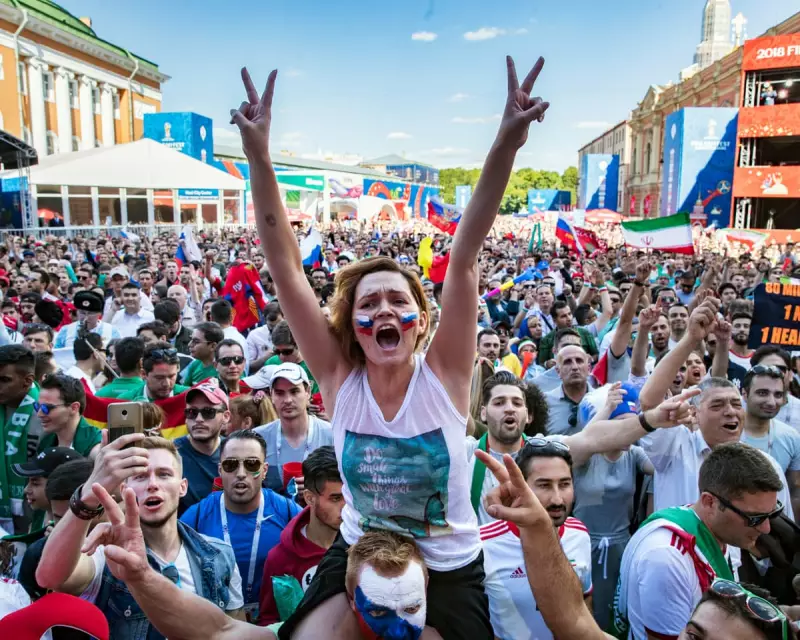
Streets in St Petersburg overflowed with spectators during the 2018 World Cup in Russia, as crowds gathered for fan festivals during the tournament's opening match. This vibrant scene highlighted how major football events create communal experiences beyond the stadium walls.
The Essence of World Cup Atmosphere
World Cup tournaments generate a unique atmosphere that extends far beyond the actual football matches. The competition creates a global celebration of joy that manifests both inside carefully curated stadiums and throughout host nations. Previous tournaments have demonstrated this phenomenon vividly.
During Germany's 2006 World Cup, supporters packed town squares where ancient buildings echoed with their cheers, while others watched matches from riverbanks facing floating screens on barges. South Africa's 2010 tournament saw gatherings in parks, open-air markets, hotel lobbies, and even makeshift bars in residential garages. Brazil's 2014 event witnessed fans spilling from Copacabana bars into streets temporarily closed for football celebrations.
Russia's 2018 World Cup surprised both visitors and citizens with spontaneous nationwide celebrations that created genuine connections. Conversely, Qatar's 2022 tournament felt somewhat artificial precisely because these organic football gatherings occurred less frequently and at smaller scales, contributing to what some described as a "Potemkin World Cup" experience.
Accessibility Challenges for 2026
The upcoming 2026 World Cup presents unprecedented challenges for fan accessibility. As the first tournament hosted across three nations (United States, Canada, and Mexico) and featuring 48 competing teams, the event's vast geographical spread creates both obstacles and opportunities.
With ticket prices reaching shocking levels that exclude many supporters, a parallel tournament experience may emerge organically. This alternative World Cup could consist of accessible elements not yet fully commercialized by corporate sponsors.
Alternative Tournament Experiences
Several components could form this accessible tournament experience for supporters unable to afford official match tickets or travel to host cities.
Training Sessions and Warm-up Matches
All 48 participating teams will establish training bases across North America, with many holding open sessions for public viewing. Germany has selected Wake Forest University in North Carolina, while Australia's Socceroos might base themselves in Boise. Other nations including the Netherlands, England, Argentina, France, Croatia, and Spain have identified various American locations for their preparations.
Pre-tournament friendly matches will further expand the World Cup's footprint. The "Road to '26" series will feature Brazil, France, Colombia, and Croatia playing along the East Coast in March. Argentina will contest stateside friendlies against Honduras and Mexico in June, while the United States will face Senegal in Charlotte and Germany in Chicago during their preparations.
Fan Festival Accessibility
Traditional fan festivals, which typically attract tens of thousands of unticketed supporters, are planned throughout host nations. Currently, most American fan festivals are expected to offer free admission, with only New York City and New Jersey reportedly considering nominal charges to cover operational expenses.
New York City's Rockefeller Center will host free festivities during the tournament's final two weeks, while Mayor Zohran Mamdani has already organized viewing parties for major football matches with promises of expanded World Cup programming.
Creating Lasting Tournament Legacy
If host cities, national federations, and football organizations demonstrate creativity and commitment, the 2026 World Cup can still provide accessible experiences for millions. The tournament can leave meaningful legacies and create lasting memories beyond the privileged few who secure match tickets.
This approach recognizes that while corporate sponsorship dominates official tournament elements, the communal spirit of international football cannot be entirely monetized. The true World Cup experience ultimately resides in shared celebrations that transcend stadium boundaries and economic barriers.