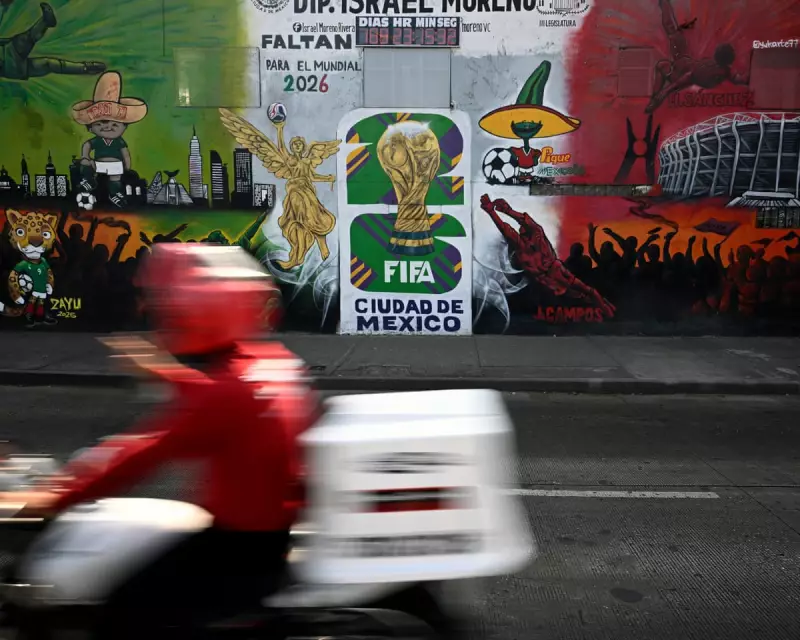
With the opening match of the 2026 World Cup inching closer, a wave of disillusionment is sweeping through Mexico, the nation co-hosting football's biggest event. The countdown to the game between Mexico and South Africa at Mexico City's iconic Azteca Stadium on 11 June 2026 is underway, but for many local supporters, anticipation is being replaced by frustration as they find themselves effectively locked out by a complex and costly ticketing process.
A Dream Deferred by Soaring Costs and Confusion
The sentiment among Mexican aficionados, arguably the most passionate in the three host nations, is starkly anticlimactic. Jonathan Zamora, a fan who attended the legendary 1986 quarter-final between Argentina and England as a child, embodies this disappointment. He had hoped to recreate the experience with his now 71-year-old father when the tournament returned to his homeland.
However, after four months of unsuccessful attempts through FIFA's online ballots, Zamora's dream has faded. "I'd like to think it's just bad luck on my part, but the reality is that it increasingly feels like there isn't actually a World Cup in Mexico," he laments. His experience is far from unique; he reports knowing no one in his social circle who has successfully secured a ticket.
The financial barrier is immense. For the opening match at the Azteca, standard seats in the final sales phase range from $1,290 to $1,825, with hospitality packages soaring to around $10,000. These figures are astronomical in a country where the average monthly professional salary is approximately 7,500 pesos ($416). This stands in brutal contrast to the 1986 World Cup, where packages of 13 matches cost about $150 per person.
The Stark Contrast: 1986's 'Sweat and Hope' vs 2026's Virtual Queues
The comparison to the last Mexico-hosted tournament is painful for many. Mexican writer Rodrigo Márquez Tizano, author of a book on the national team's World Cup history, poignantly notes that "the last World Cup in Mexico in 1986 still smelled of sweat and hope." He contrasts the tangible excitement of spectators then with the digital alienation of today's process: "Today, before even going to the stadium, we're in a virtual line. Businessmen have appropriated the ball that used to belong to the people."
FIFA's sales process has added to the confusion. The governing body reported receiving 5 million applications for a recent 24-hour ballot window, with 2 million tickets already sold in earlier phases. This leaves fewer than 5 million tickets available for the entire 104-match tournament across the USA, Canada, and Mexico. Jorge García, a 40-year-old advertising executive, spent two hours in a virtual queue to apply for tickets, including for a match in Houston, and must wait until February to learn if he was successful. "Everything is very confusing," he states, suggesting the opaque system may push fans towards a costly resale market.
A Tournament Overshadowed by Geopolitics and Exclusion
The ticketing crisis unfolds against a tense geopolitical backdrop, with the prospect of a second term for former US President Donald Trump casting a shadow over the tri-nation event. This climate, combined with the palpable sense of local exclusion, is stifling the festive spirit the World Cup is meant to generate.
With only 13 of the 104 matches being held in Mexico (compared to 73 in the USA), the opportunity for home fans is limited. While FIFA has announced a small number of $60 tickets will be released via national associations, not its main platform, for many it feels like too little, too late. Fans like García now resign themselves to experiencing the tournament "in the streets, the atmosphere, and the friends who come and visit us," rather than inside the stadiums.
The prevailing mood, as summarised by Márquez Tizano, is one of deflated expectations. "Reality is unfortunately inferior to what we dreamed it would be," he says, "because there is a feeling that nobody has tickets." For countless Mexican supporters, the 2026 World Cup, despite being on home soil, is becoming a spectacle they can only watch from afar.