For Wolverhampton Wanderers' long-suffering supporters, the current Premier League struggles feel eerily familiar. While today's team battles relegation, older fans recall a far darker period when their beloved club experienced one of English football's most spectacular collapses.
The Perfect Storm: Ambition and Financial Ruin
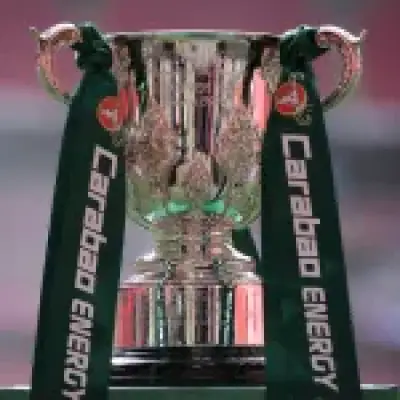
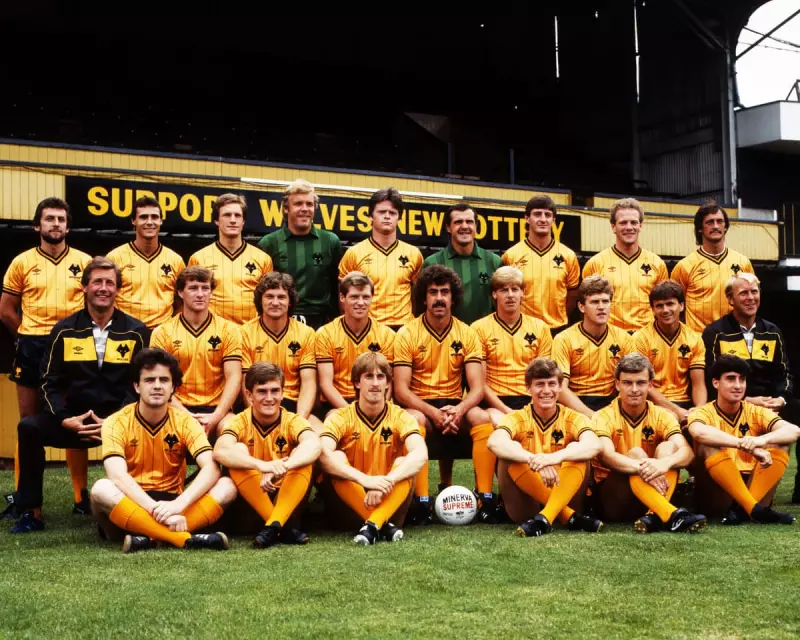
Wolves began the 1980s triumphantly, lifting the League Cup in 1980 after defeating European champions Nottingham Forest at Wembley. Yet beneath this success, financial trouble was brewing. The club's decision to spend £3 million on the John Ireland Stand at Molineux during the late 1970s proved catastrophic, draining resources amid declining attendances.
Relegation from the First Division followed in 1982, with the club accumulating debts of £2.5 million that summer. Wolves came within minutes of going out of business entirely before a consortium led by former player Derek Dougan intervened.

A Brief Respite and Rapid Unravelling
Dougan appointed Graham Hawkins as manager, gambling on his Second Division experience. The move initially paid dividends as Hawkins masterminded immediate promotion in the 1982-83 season, blending experienced professionals like John Burridge, Geoff Palmer, and Andy Gray with promising youngsters.
However, Hawkins recognised the squad needed significant investment to survive in the top flight. His transfer targets reportedly included future England stars David Seaman, Mick McCarthy, Paul Bracewell and Gary Lineker, but the club spent just £80,000 on winger Tony Towner from Rotherham.
The lack of investment proved telling as Wolves returned to the First Division under the controversial ownership of the Bhatti brothers, whose property development plans for Molineux never materialised.
Freefall and Gallows Humour
The 1983-84 season began promisingly with a 1-1 draw against champions Liverpool, but quickly descended into nightmare. Wolves failed to win any of their first 14 matches and suffered embarrassing cup exits to third-tier Preston.
Heavy defeats became routine - 4-0 losses to Luton, 5-0 humiliations at Nottingham Forest, and a particularly devastating 5-0 thrashing by Watford featuring Mo Johnston's eight-minute hat-trick.
The mood turned increasingly desperate. Local councillor John Bird lamented that the team had made "Wolverhampton the butt of every comedian's joke", while veteran Kenny Hibbitt offered the immortal assessment after the Watford debacle: "We've gone over it time and time again on the video and, if you take away their five goals, there was nothing between the teams."
Amid the gloom, occasional bright spots emerged - a 3-1 derby win at West Brom and a remarkable 1-0 victory at Anfield through teenager Steve Mardenborough's goal. But these proved false dawns in a season where Wolves won just six of 47 matches, scoring 32 goals while conceding 89.
Rock Bottom and Eventual Recovery
Relegation was confirmed in April 1984 amid a "morgue-like atmosphere" with just 6,611 spectators witnessing defeat to Ipswich - the club's lowest home attendance in 47 years. Hawkins was sacked and had to wait seven years for full compensation, later stating: "I thought I was working with honourable men and that we could part with a handshake."
Tommy Docherty replaced Hawkins but couldn't halt the decline. Wolves suffered two more consecutive relegations, hitting rock bottom in the Fourth Division by 1986-87 and suffering the ultimate humiliation of a 3-0 FA Cup defeat to non-league Chorley.
While current Premier League relegation fears concern Wolves supporters, the club's dramatic 1980s collapse serves as a stark reminder that modern troubles pale compared to hitting English football's basement division just three years after competing with the elite.