The International Football Association Board (IFAB) has unveiled significant changes to football's video assistant referee system and time-wasting regulations, set to be implemented at the 2026 World Cup. These adjustments aim to enhance the tempo and excitement of matches while addressing longstanding fan frustrations with delays.
Expanded VAR Review Categories
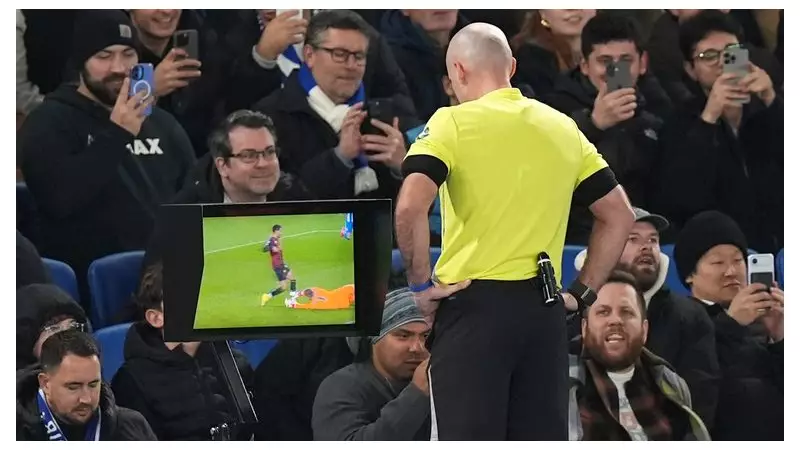
In the first major expansion of VAR's remit since its introduction a decade ago, IFAB is poised to approve new categories for video review next month. Previously limited to goals, penalty awards, direct red cards, and mistaken identity in bookings, VAR will now intervene in additional scenarios.
Referees will be authorised to defer to VAR for:
- Incorrect second yellow cards shown due to clear factual errors, leading to wrongful dismissals
- Situations where the wrong team receives punishment, resulting in erroneous card issuance
- Mistakenly awarded corner kicks
Football Association of Wales CEO Noel Mooney emphasised the balance between accuracy and pace, stating: "People get the principle of getting the correct decision, but fans don't want extended delays. Nobody wants clearly wrong decisions against their team."
Addressing Inconsistencies and Delays
The expansion resolves a notable inconsistency where direct red cards could be overturned but second yellow card offences remained unreviewable, despite television audiences often seeing clear errors. This change aims to ensure greater fairness across disciplinary decisions.
However, concerns have emerged regarding match duration, with some games exceeding 100 minutes due to prolonged VAR deliberations. Referees have received instructions to make review decisions immediately and without delaying restarts, prioritising both accuracy and game flow.
Stricter Time-Wasting Measures
Alongside VAR modifications, IFAB is implementing a comprehensive clampdown on time-wasting tactics. A key initiative involves adopting the eight-second time limit for goalkeepers holding the ball, mirroring existing regulations in other football contexts.
Additional measures will accelerate throw-ins and goal kicks, targeting strategic delays that disrupt match momentum. Mooney explained the rationale: "The theme this year is reducing time-wasting and distractions. We want matches with more ball movement and exciting moments."
Player Welfare Considerations
Extended match times have raised player welfare concerns, particularly as athletes face additional physical demands from prolonged VAR interruptions. IFAB's dual approach seeks to minimise unnecessary delays while maintaining thorough review processes for critical incidents.
The board's commitment to entertainment value remains central, with Mooney adding: "There's no desire to see VAR delay the game in any form. We're focused on safeguarding both the sport's integrity and spectator experience."
Governance and Implementation
IFAB, the independent global body overseeing football's laws, operates with a unique voting structure. FIFA holds half the votes, while the United Kingdom's four football associations—England, Scotland, Wales, and Northern Ireland—each hold one vote, continuing a governance model established 140 years ago.
With Wales currently leading IFAB's deliberations, these regulatory changes represent a concerted effort to modernise football's officiating framework ahead of the 2026 World Cup, balancing technological assistance with the sport's traditional flow and intensity.