
USMNT Players Take Charge in Designing 2026 World Cup Kits
In a dramatic shift from past disappointments, the US men's national soccer team has played a pivotal role in crafting their 2026 World Cup uniforms. This move comes after widespread player dissatisfaction with the 2022 kits, leading to a collaborative design process with Nike that has produced what many are calling the boldest and most representative kits in generations.
From Discontent to Creative Control
The journey began in 2022 when Nike unveiled the US kits for the Qatar World Cup. The designs, featuring a plain white shirt and an "ice-dyed" blue alternative, were met with scorn from both fans and players. USMNT midfielder Tyler Adams bluntly stated that Nike had consulted "the wrong athletes," sparking a minor revolt within the team. Players reportedly drew straws to avoid being photographed in the kits, with some refusing altogether.
This backlash forced a reckoning. The players demanded involvement in future designs, and Nike responded by integrating them deeply into the 2026 kit creation. Starting in late 2023, Nike executives and designers held multiple in-person meetings with the squad, seeking raw feedback on what the uniforms should symbolize for this generation of American soccer stars.
Inspired by Iconic Past Designs
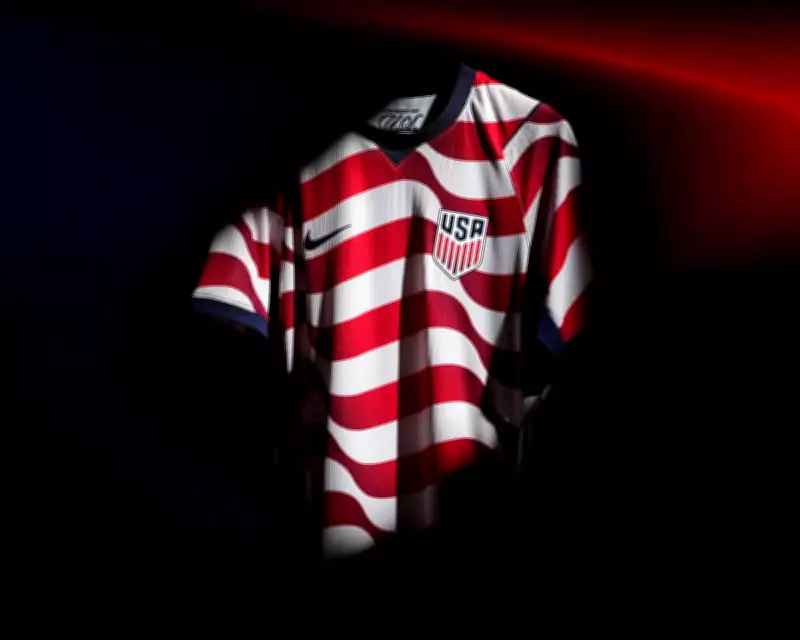
The 2026 collection includes two primary kits: the stars kit and the stripes kit. The stripes kit draws inspiration from historical favorites, specifically the 1994 wavy stripes design and the 2012-era "candycanes" or "Waldos" kits. These references honor tradition while allowing for modern twists, as emphasized by players like Weston McKennie, who spoke about putting their own mark on US soccer legacy.
Meanwhile, the stars kit features a sublimated pattern of silver stars on a navy blue background, evoking a sense of patriotism and uniqueness. Adams highlighted that incorporating stars and stripes was non-negotiable, as they perfectly represent the team's identity. The goalkeeper kit also received a vibrant makeover, reminiscent of Jorge Campos' eye-catching 1994 attire.
A Collaborative and Iterative Process
Nike designer Yaz Rosette described the design cycle as unusually extensive, spanning years rather than the typical one to two. Players were interviewed about their desires, with McKennie emphasizing legacy and reaction, while defender Sergiño Dest focused on freedom and limitlessness. The team reviewed numerous color and pattern options, from garish lightning bolts to subtle gradients, before settling on the final designs.
Adams recalled humorous moments, such as McKennie's push for a green kit that was quickly dismissed. Through multiple rounds of feedback, the players ensured the kits felt authentic. As Adams noted, the goal was to create uniforms that fans could easily spot in crowds, fostering home support during the 2026 tournament on US soil.
Legacy and Future Impact
The 2026 kits are not just about aesthetics; they carry the weight of potential historical significance. Reflecting on past designs like the polarizing 1994 Denim Kit, which gained iconic status over time, players understand that kits become memorable through on-field achievements. Attacker Falorin Balogun summed it up: "The moments a player makes in a jersey are what makes a kit iconic. At the same time, if a kit is ugly ... it's ugly."
With the 2026 World Cup approaching, the USMNT now wears uniforms born from their own vision, blending tradition with innovation. This collaborative effort marks a turning point in team identity, setting the stage for what could be a defining chapter in American soccer history.