The Ukrainian government has launched a scathing attack on FIFA president Gianni Infantino, labelling his consideration of lifting Russia's ban from international football as "irresponsible - not to say infantile." This strong condemnation comes as FIFA explores reinstating Russian teams, a move that has sparked fury in Kyiv amid the ongoing full-scale war.
Background of the Controversial Ban
The ban was originally imposed by FIFA's ruling executive committee in collaboration with UEFA, European football's governing body, at the outset of Vladimir Putin's all-out invasion of Ukraine in 2022. This decisive action was taken after numerous European nations declared they would refuse to play against or host matches involving Russian teams, effectively isolating Russia from the global football community.
Infantino's Controversial Stance
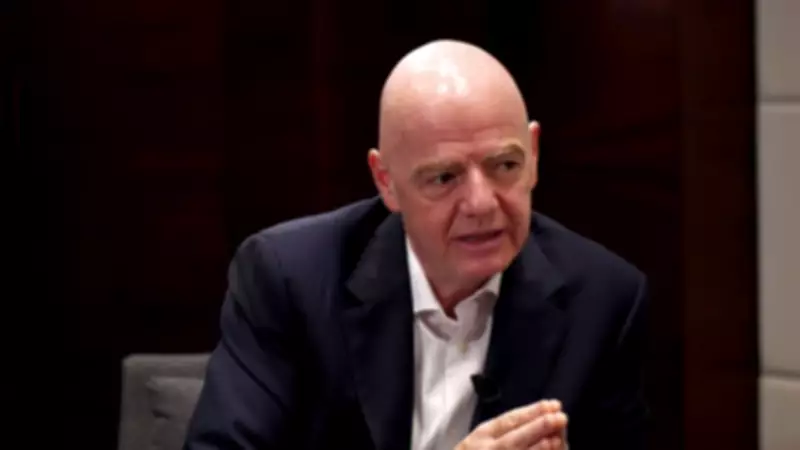
In a recent interview with Sky News' Yalda Hakim, Mr Infantino argued that the ban has failed to achieve its intended objectives, stating: "We have to look at restoring Russian teams. This ban has not achieved anything, it has just created more frustration and hatred." His comments have ignited a fierce backlash from Ukrainian officials, who view any potential reinstatement as a betrayal while their country continues to defend itself against Russian aggression.
Ukraine's Forceful Rebuttal
Ukrainian sports minister Matvii Bidnyi issued a powerful statement to Sky News, expressing profound outrage at FIFA's position. "Gianni Infantino's words sound irresponsible - not to say infantile," Mr Bidnyi declared. "They detach football from the reality in which children are being killed." He emphasised that over 100 footballers are among the more than 650 Ukrainian athletes and coaches who have lost their lives due to Russian actions since the conflict began.
The Core of Ukraine's Argument
Mr Bidnyi articulated a fundamental principle in his response: "War is a crime, not politics. It is Russia that politicises sport and uses it to justify aggression." He aligned himself with the Ukrainian Association of Football, which has also issued warnings against allowing Russia's return to international competitions. The minister stressed that as long as Russia continues its military campaign in Ukraine, its national symbols have no place in sporting events that claim to uphold values like justice, integrity, and fair play.
Broader Context and Implications
Russia has been excluded from men's World Cup tournaments since hosting the event in 2018, a period during which Mr Infantino received the Order of Friendship medal from President Putin. This historical context adds layers to the current controversy. Furthermore, Mr Bidnyi recently criticised the International Paralympic Committee for lifting its own ban on Russia and its ally Belarus, indicating a pattern of concern about sporting bodies normalising relations with aggressor nations.
The Ukrainian government's stance reflects a deep-seated belief that reintegrating Russia into international football would effectively allow the Kremlin to use sport as a platform to promote its war efforts and legitimise its actions. This dispute highlights the ongoing tension between sporting diplomacy and geopolitical realities, with Ukraine insisting that moral principles must outweigh commercial or political considerations in global sports governance.