UEFA's Commercial Revenue Set to Surpass €1 Billion Annually
Clubs competing in the Champions League are poised to reap substantial financial rewards as UEFA's commercial revenues from club competitions are projected to break the €1 billion (£870 million) barrier starting next year. This significant increase is driven by new global sponsorship agreements and robust growth in television rights sales.
Sponsorship Income to Rise by Over 40%
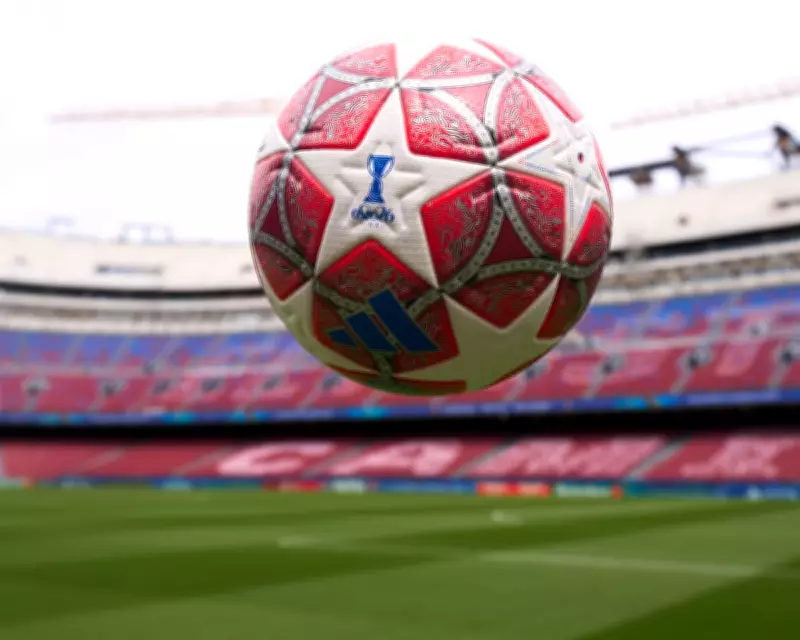
UC3, the commercial joint venture owned by UEFA and participating clubs, is finalizing deals with an official payments provider and a technology partner. These agreements will complete the roster of premium global partners and are expected to boost sponsorship income by more than 40%. Recent six-year contracts with AB InBev as the official beer partner and Pepsi as the soft drinks provider, effective from 2027 to 2033, have already been secured. Additionally, Nike has entered exclusive negotiations to replace Adidas as UEFA's match ball supplier.
Television Rights and Overall Earnings Growth
The forecasted surge in commercial revenue exceeds the substantial growth already achieved from the first block of TV rights sales for the 2027-31 cycle. This increase will elevate UEFA's annual earnings to over €6 billion, a notable rise from the current €4.4 billion. With UEFA allocating 74% of its prize fund and 56% of club competition revenue to Champions League clubs, the commercial growth will disproportionately benefit the largest clubs. Broadcast rights in major European markets, including the UK and Germany, saw increases of 20% and 30% respectively last year, with further tenders active in 21 other territories.
Structural Changes in Sponsorship Sales
UC3 appointed Relevent Football Partners last year to manage TV and sponsorship tenders, ending UEFA's 30-year association with Team agency. Relevent has overhauled UEFA's sponsorship sales process, introducing a new structure with four elevated partners who secure rights across all three UEFA competitions. The remaining eight commercial partnerships are exclusively focused on the Champions League. Elevated partners gain brand exposure across 531 matches annually, compared to 189 in the Champions League alone.
Financial Implications and Distribution Concerns
The reserve price for tier one sponsorship packages was set at €120 million, with AB InBev agreeing to pay €230 million annually to end Heineken's 35-year Champions League sponsorship. Pepsi also exceeded the reserve price to extend its deal, while the payment and technology partnerships are expected to generate at least €250 million. This revenue growth intensifies pressure on UEFA to reconsider its distribution model, as seven clubs received over €100 million in prize money last season, raising concerns about competitive balance in European football.
Alternative Proposals and Future Outlook
At a recent AGM, the Union of European Clubs proposed an alternative distribution model, suggesting a 50%-30%-20% split of UEFA revenue among Champions League, Europa League, and Conference League clubs, with funds pooled proportionately into domestic leagues. However, given the influence of elite clubs within UC3, this model is unlikely to gain traction. UEFA and Relevent have declined to comment on these developments, as the organization continues to navigate the evolving financial landscape of European football.