
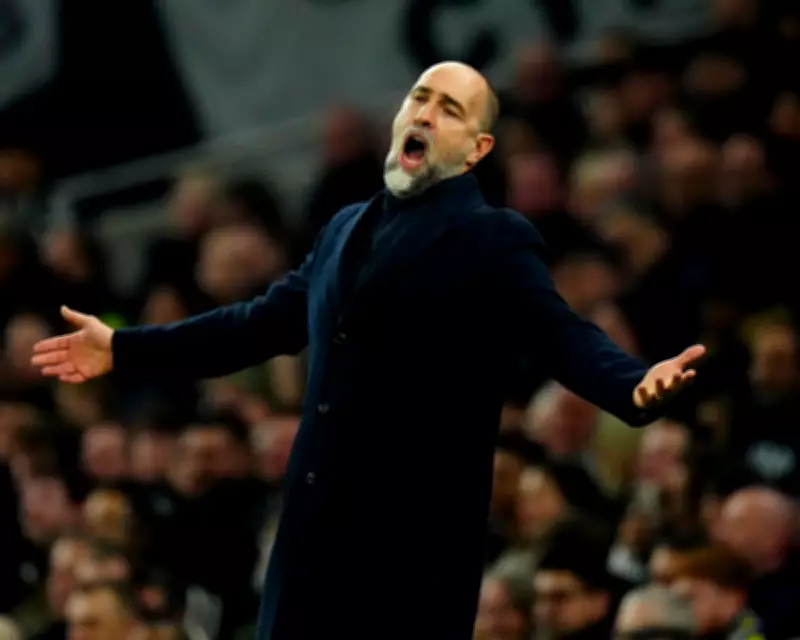
Igor Tudor's Desperate Search for Solutions at Tottenham Hotspur
Igor Tudor, the interim head coach of Tottenham Hotspur, has experimented with three distinct formations across his initial matches, yet the team continues to spiral into a deepening crisis. With relegation fears intensifying, Spurs are grappling with a toxic mix of inhibition, rage, and a mounting injury list, leaving Tudor grasping for answers in a high-pressure environment.
Messaging and Morale in Freefall
All attention was focused on Tudor following Thursday night's devastating home defeat to Crystal Palace, a result that extended Spurs' winless run in the Premier League. The atmosphere at the stadium shifted from apathy to outright anger among supporters, as the club's home record now stands as the worst in the division, with only two victories all season. Tudor's public comments have oscillated between criticism and cautious optimism, reflecting his struggle to stabilize a faltering squad.
After previous losses, Tudor highlighted deficiencies in defence, midfield, attack, and even mental sharpness, labeling the situation an emergency and questioning player fitness and desire. However, post-Palace, he struck a more positive note, claiming increased belief in the team's energy and passion. This shift underscores a tactical and psychological lurch, as Tudor searches for any lever to pull amid the chaos.
Tactical Instability and Formation Flux
Tudor's approach has been marked by constant change, with formations shifting from 3-3-3-1 against Arsenal to 4-4-2 at Fulham, and finally 5-4-1 versus Crystal Palace. None of these setups have yielded success, painting a picture of a coach flailing in panic as time runs out. The team's fragility was evident in the first half against Palace, where they lacked a coherent strategy and conceded early goals, leading to a 3-1 deficit and a red card for Micky van de Ven.
Although Spurs showed slight improvement after halftime, it was too little, too late, with Palace easing off and the damage already done. This pattern of rallying only when results seem beyond reach has become a troubling hallmark of the squad's current state.
Fan Discontent and Leadership Questions
Empty seats and vocal anger during the Palace defeat highlighted growing disillusionment among supporters, with some questioning whether Tudor should remain in charge. The absence of a new manager bounce has fueled calls for change, yet the Spurs board appears hesitant to make a kneejerk decision after just three matches. The limited managerial market offers few alternatives, echoing the challenges faced when Thomas Frank was sacked in February.
Internally, the focus is on recovering injured players like Djed Spence and rebuilding confidence, but morale has hit rock bottom. Issues of leadership have surfaced, exemplified by Pedro Porro's outbursts during the Palace game, where he raged at teammates and officials before storming off the pitch. This lack of stability in the squad's leadership group compounds the overall sense of crisis.
Looking Ahead: A Daunting Schedule and Relegation Battle
With nine league games remaining, including a tough fixture at Liverpool and a Champions League clash against Atlético Madrid, the path forward is fraught with difficulty. The return of Cristian Romero from suspension offers a glimmer of hope, but Van de Ven's ban and ongoing injury woes persist. Tudor's lack of experience in English football and communication barriers in his third language have further hampered his ability to connect with fans and players.
Spurs' current run includes five consecutive league losses and an 11-match winless streak, their worst since 1975, with the team conceding at least two goals in nine straight games. As the dressing room engages in soul-searching, the specter of relegation looms larger, creating an atmosphere where the apocalypse feels imminent. Tudor's tenure, defined by tactical turmoil and mounting pressure, has become a symbol of a club in freefall, desperately seeking a way out of the darkness.