
Could Tottenham's Relegation Be the Premier League's Unexpected Boost?
In a season marked by lackluster football, the potential relegation of Tottenham Hotspur, one of the Premier League's six ever-present clubs, is emerging as a black swan event that could paradoxically benefit the league. Ed Warner, a sports business columnist, argues that such unpredictability might offer a Leicester City-like lift, trading on the competition's core marketing narrative of competitive breadth.
The Exclusive Club of Relegated Teams
Since the Premier League's inception in 1992-93, only 43 clubs have faced relegation, with just 16 teams relegated exactly once. Among them are names like Barnsley, Oldham Athletic, and Portsmouth, which Tottenham fans now desperately hope to avoid. Aston Villa and Bournemouth stand as rare examples of clubs that have regained top-flight status after dropping down.
With 33 completed seasons yielding 99 relegations, the league's history is punctuated by these dramatic falls. Tottenham, alongside Arsenal, Chelsea, Everton, Liverpool, and Manchester United, has been a constant presence. However, entering the international break just a point above the relegation zone, Spurs are in a deep funk, with bookmakers giving them a 37 percent chance of going down, compared to 43 percent for West Ham in 18th place.
Marketing Unpredictability vs. Club Interests
The Premier League heavily markets its unpredictability, often citing Leicester City's 2015-16 title win as proof that any team can triumph. Yet, this narrative is quietly resented by the so-called Big Six clubs, who prefer competition limited to titles and Champions League spots among themselves. In the nine seasons since Leicester's win, Manchester City has claimed six titles, Liverpool two, and Chelsea one, highlighting a lack of competitive breadth.
Over the past 22 seasons, the Big Six have dominated the top three positions, with Leicester as the sole exception. Tottenham's last top-three finish was in 2017-18, making their current plight all the more poignant. Could their potential relegation serve as a black swan event, injecting global interest and boosting the league's brand during a trough in quality?
Financial and Structural Implications
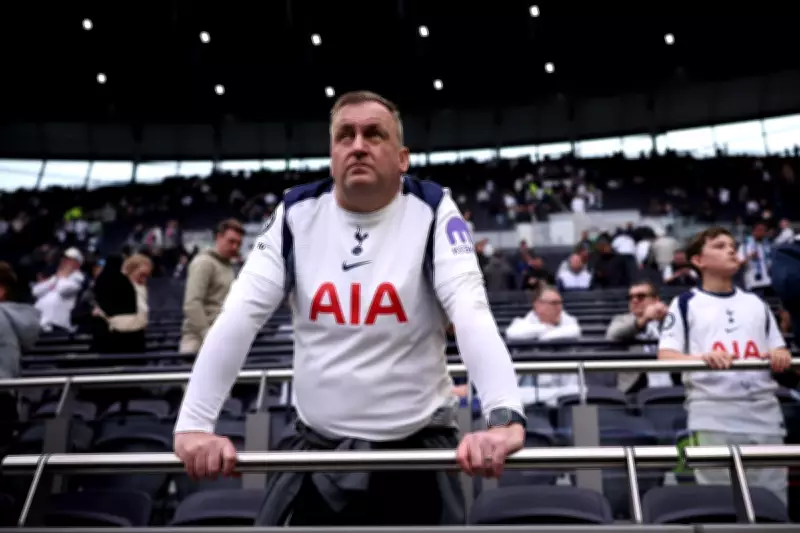
Relegation would bring severe financial repercussions for Tottenham, despite parachute payments designed to cushion the blow in the Championship. The club is not structured like traditional yo-yo clubs, with player contracts and commercial deals potentially lacking relegation clauses. Their state-of-the-art stadium, the second largest in the Premier League, adds to the drama, as broadcasters have capitalized on shots of anguished fans and early departures.
The stadium's grandeur contrasts sharply with the team's struggles, raising questions about whether it has become a curse akin to Arsenal's Emirates. Fans and analysts debate blame, pointing to executive leadership, managerial changes, and squad recruitment. Yet, for neutral observers, the uncertainty of relegation adds a thrilling element to the season, especially given Tottenham's involvement in the attempted European Super League.
Broader Sports Context
In a parallel to football, the England cricket team's leadership decisions under the ECB highlight themes of loyalty and stability. CEO Richard Gould emphasized a non-football approach to sacking, possibly alluding to Tottenham's managerial turmoil. As England prepares for a Test series against New Zealand, ranked second in the world, the outcome may validate or challenge this strategy.
Ultimately, Tottenham's flirtation with relegation underscores that no club is immune to downfall, reinforcing the Premier League's appeal through its inherent unpredictability. In a season of clunky football, this drama offers a much-needed boost to the league's narrative and global interest.