
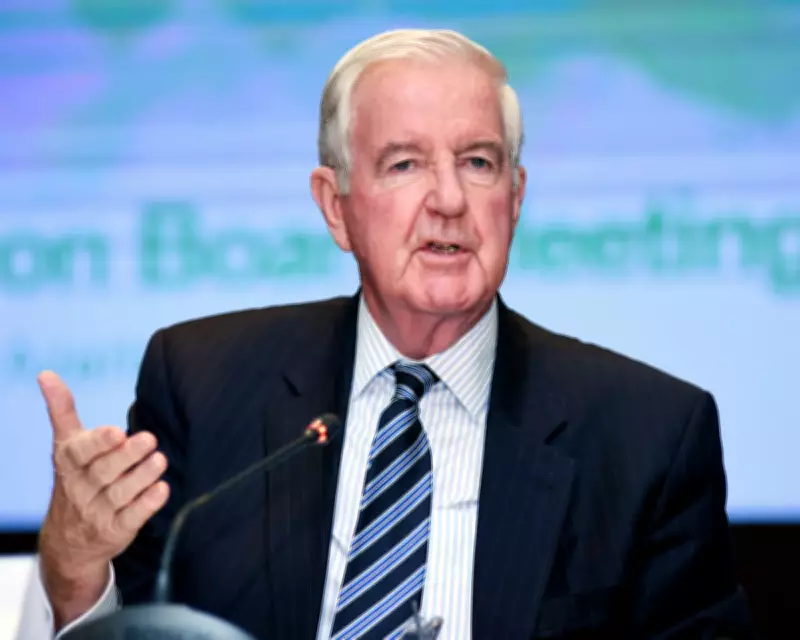
Olympic Movement Mourns Loss of Sir Craig Reedie at 84
The global sports community is in mourning following the death of Sir Craig Reedie, a towering figure in Olympic history who played a crucial role in bringing the 2012 Games to London. The Scots-born administrator, who served as chair of the British Olympic Association for over a decade and later as president of the World Anti-Doping Agency, passed away at the age of 84.
Architect of London's Olympic Success
Reedie's legacy is inextricably linked to London's successful bid for the 2012 Olympics. As chair of the British Olympic Association from 1992 onward, he provided the strategic leadership and political acumen that many credit with securing the Games for the British capital. Sebastian Coe, who led the London 2012 organizing committee, described Reedie as "the distinguished elder statesman with a reservoir of Olympic knowledge" whose guidance was instrumental in the bid's success.
Steering Through Doping Controversies
During his tenure as president of the World Anti-Doping Agency from 2014 to 2016, Reedie faced one of sports' most significant challenges: the Russian state-sponsored doping scandal. Under his leadership, Wada found Russia guilty of systematic doping across "a vast majority" of winter and summer sports, including at the 2014 Sochi Olympics. The agency recommended banning Russia from the 2016 Rio Games, though the International Olympic Committee ultimately rejected this recommendation.
From Badminton Court to Boardroom
Reedie's sports career began as a competitive badminton player representing Great Britain in the 1960s. He transitioned to sports administration through the Scottish Badminton Union before becoming president of the International Badminton Federation in 1981. His election to the International Olympic Committee in 1994 marked the beginning of his global influence, culminating in his service as IOC vice-president from 2012 to 2016.
Warm Tributes from Sporting Leaders
Current British Olympic Association chair Dame Katherine Grainger praised Reedie's "dedicated service" to Olympic sport and his unwavering commitment to clean competition. "He always fought hard for Olympic sport, and fought harder still for clean sport," she noted, adding that "few knew the Olympic movement better and fewer still served it with such distinction."
Sebastian Coe's heartfelt tribute captured the personal impact Reedie had on those around him: "Craig was my mentor, wise counsel, passionate advisor, and great friend. He was equal parts opinionated, wise, canny, and, most of all, loyal to those who legitimately wanted to serve sport. The epitome of a gentleman."
Enduring Olympic Legacy
Beyond his administrative achievements, Reedie maintained a genuine connection with athletes throughout his career. Grainger recalled how he "awarded me some of my Olympic medals" and understood the profound significance of those moments for competitors. His ability to navigate both the highest levels of international sports governance and the personal experiences of individual athletes defined his unique contribution to the Olympic movement.
Sir Craig Reedie's passing marks the end of an era for British and international sports administration. His multifaceted career—spanning from badminton courts to the pinnacle of Olympic leadership—leaves a lasting imprint on how major sporting events are organized and how integrity in competition is defended.