
Premier League's European Humiliation Exposes Tactical Limitations
English football clubs experienced a collective nightmare in European competition this week, with all six Premier League representatives failing to secure victories in their Champions League matches. This comprehensive failure has exposed fundamental flaws in the tactical approach favored by many English teams, particularly their over-reliance on set-piece strategies that proved ineffective against more expansive continental opponents.
The Set-Piece Obsession Backfires
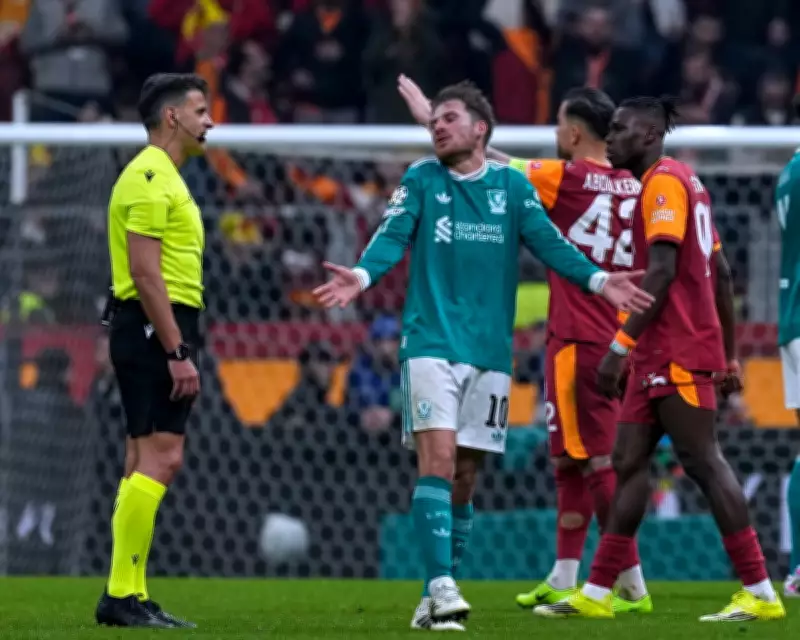
Liverpool manager Arne Slot articulated a common Premier League perspective before his team's defeat to Galatasaray, emphasizing how difficult modern football makes creating chances through open play. "Set pieces are a way to circumvent the sophisticated defensive setups of most Premier League teams," Slot explained, echoing sentiments shared across England's top division. However, this tactical philosophy encountered unexpected resistance in European competition.
European referees demonstrated significantly less tolerance for the physical grappling and blocking tactics that have become commonplace in Premier League set-piece routines. Spanish official Jesús Gil Manzano's strict enforcement during Liverpool's match exemplified this continental approach, penalizing maneuvers that typically go unpunished in domestic competition. This regulatory difference created immediate problems for English sides accustomed to different standards.
Expansive Football Baffles English Defenses
The most striking aspect of this week's European matches was how English defenses struggled against fluid, attacking football. Premier League teams have become so acclimated to the intense pressing and structured marking of domestic opponents that they appeared genuinely bewildered by opponents employing rapid passing sequences, individual dribbling, and creative forward movement.
Manchester City's unusual midfield openness allowed Real Madrid's Fede Valverde to dominate their encounter, while Tottenham's defensive collapse saw them concede three goals within fifteen minutes. Chelsea remained competitive against Paris Saint-Germain until a goalkeeping error triggered their downfall, and Newcastle surrendered a late penalty after otherwise matching Barcelona. None of the six English clubs managed to keep a clean sheet, with two conceding five goals and another letting in three.
The Psychological Impact of Refereeing Standards
English teams found themselves psychologically disadvantaged by their reputation for physical set-piece tactics. Referees arrived expecting to witness the grappling and blocking that has become synonymous with Premier League football, and they inevitably found violations to penalize. This created a self-fulfilling prophecy where English sides were scrutinized more closely simply because of their league's reputation.
Slot reasonably questioned why Liverpool's Virgil van Dijk being dragged down at a corner went unnoticed while other infractions were punished, but this selective enforcement highlights the broader problem. When a league becomes notorious for permitting certain tactics, its teams suffer when competing under different regulatory interpretations.
Historical Patterns and Modern Implications
The pattern of English clubs dominating European competition in autumn only to struggle in spring is not new, but this week's comprehensive failure suggests deeper issues. Michel Platini's famous characterization of English teams as "lions in the winter and lambs in the spring" remains relevant, though the causes extend beyond mere fixture congestion.
The Premier League's exceptional competitiveness means English sides face challenging opponents every week, with even bottom-placed clubs possessing resources exceeding most European teams. This constant pressure creates tactical habits that prove counterproductive against elite continental opposition employing different approaches.
Cultural Questions for English Football
This week's results raise profound questions about English football culture. Has the Premier League collectively succumbed to group-think regarding tactical approaches? Has the set-piece obsession reached such extremes that teams have forgotten how to attack through open play? The evidence suggests English football may need fundamental reconsideration of its strategic priorities.
The emperor's new clothes moment has arrived for Premier League tactics. What works effectively against very good domestic opponents proves inadequate against the best European teams. English football now faces a critical choice: continue down the current path or adapt to succeed in both domestic and European competitions.
Looking Forward
The response from Premier League clubs will determine whether this week represents a temporary setback or signals deeper structural issues. Will managers adjust their approaches for European competition, or will they insist their methods simply require better execution? The answers will shape English football's European prospects for seasons to come.
One thing remains clear: the Champions League has exposed limitations in the Premier League's tactical evolution. English football's much-vaunted dominance appears less certain when confronted with opponents employing different philosophies and referees enforcing different standards. The path forward requires honest self-assessment and strategic adaptation.