The Vanishing Patience with Premier League Managers
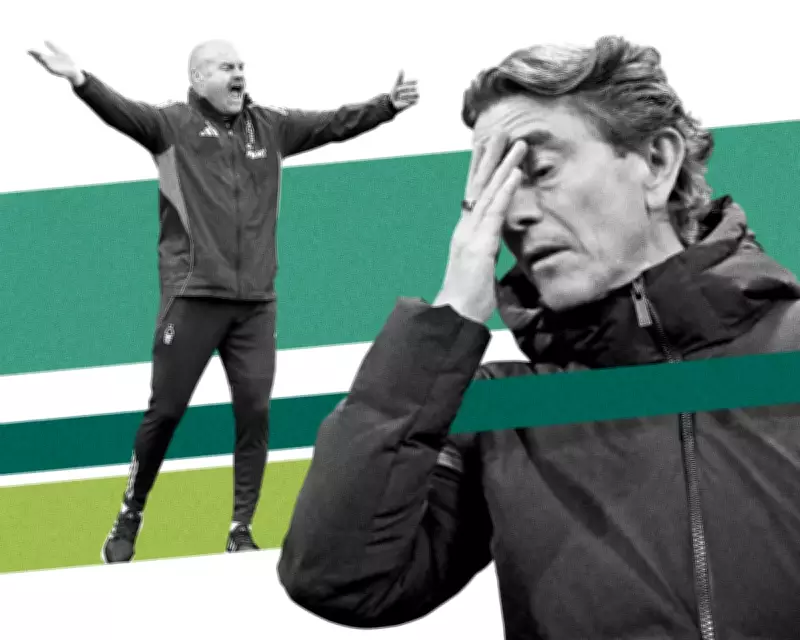
In recent weeks, the Premier League has witnessed the dismissals of two prominent managers: Sean Dyche from Nottingham Forest and Thomas Frank from Tottenham Hotspur. These departures are not isolated incidents but rather symptoms of a deeper, more pervasive trend sweeping through English football. The era of managerial stability has given way to a culture of rapid turnover, where fear of relegation and the pressure for immediate results dominate decision-making.
A Statistical Freefall in Managerial Tenure
Excluding caretaker and interim appointments, the current season has already seen eight Premier League managers leave their positions, with additional changes anticipated by season's end. This follows a pattern of increasing volatility: last season recorded 10 departures, the 2023-24 season had nine, and the 2022-23 season reached an astonishing 18 changes. To put this in historical context, the inaugural Premier League season of 1992-93 saw only four managerial changes. The average lifespan of a Premier League manager has dramatically decreased from approximately four seasons to just about a season and a half.
The Rise of the "Ferryman" and Club-Specific Pressures
English football has adopted the Italian concept of the "traghettatore" or "ferryman," a manager hired to steer a club through to the end of a season without long-term commitment. This trend is exemplified by clubs like Tottenham Hotspur, which has cycled through six permanent managers since moving into its new stadium in 2019, creating an environment of heightened expectations that squad-building struggles to meet. Nottingham Forest, under the ownership of the volatile Evangelos Marinakis, represents another extreme, having employed four managers in a single season.
The Evolution of the Manager's Role
The role of the football manager has undergone a significant transformation over the decades. In the early days of league football, managers were primarily administrators responsible for logistics like travel and contracts, with team selection often handled by club directors. The post-World War II era saw the rise of iconic, personality-driven managers like Matt Busby and Brian Clough, who became the central figures of their clubs. Today, while managers like Pep Guardiola and Mikel Arteta maintain strong influence, the ultimate power has shifted back to club owners, rendering managers more expendable than ever.
A Broader Cultural Shift Toward Impatience
This trend is not confined to football. The United Kingdom has had five prime ministers in seven years, while Australia's Liberal Party has seen five leaders in eight years. In the corporate world, turnover among CEOs at the world's largest listed companies reached new highs in 2025, driven by activist shareholders and global turmoil. Voters, shareholders, and fans alike are demonstrating historically low levels of patience, a phenomenon amplified by the social media age where grievances are highlighted, algorithms promote discontent, and performative outrage becomes profitable.
The Impossibility of Long-Termism
In an environment where every setback is magnified and immediate action is demanded, long-term planning has become increasingly difficult. The rapid changes in leadership across various sectors may reflect a response to new global challenges, but they also underscore a shift toward short-termism. As the football world grapples with this new reality, the question arises: have we all become like Evangelos Marinakis, prioritizing quick fixes over sustained development? The data suggests that patience is a vanishing commodity, reshaping not only the Premier League but the very nature of leadership in the modern era.