Portuguese football is engulfed in an unprecedented crisis, with match officials breaking their traditional silence to stage public protests against what they describe as systematic intimidation from clubs. This rare act of defiance comes after a series of alarming incidents that have pushed the relationship between referees and teams to breaking point.
A Series of Contentious Incidents
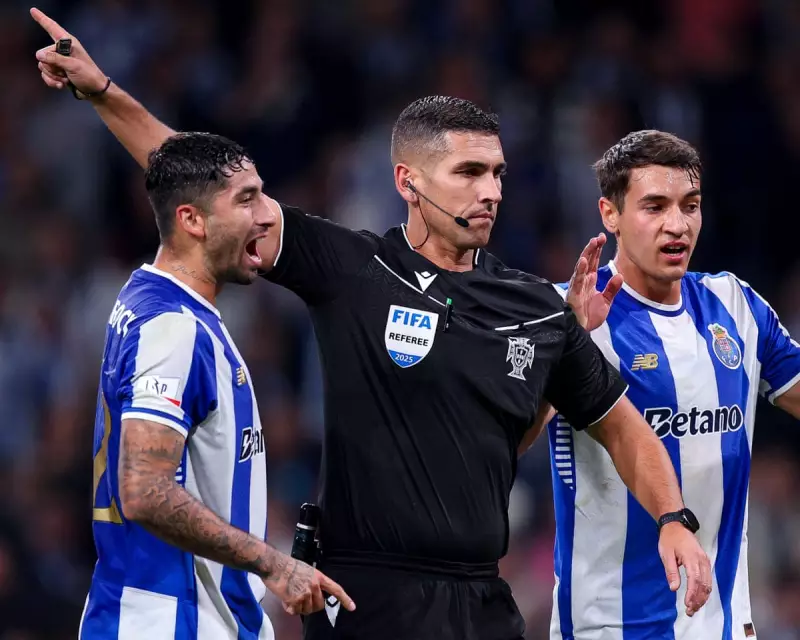
The situation reached a boiling point on 2 November during a match between FC Porto and Braga. Referee Fábio Veríssimo filed an official report accusing Porto of pressuring him at half-time. The club had allegedly broadcast a replay of a disallowed goal on a television in his dressing room that could not be turned off.
With the game goalless, Veríssimo had ruled out a Porto goal after a player collided with Braga's goalkeeper. After the match, which Porto won 2-1, the screen reportedly switched to footage from a 2024 youth match where Veríssimo had allowed a similar goal in Benfica's favour.
Porto, in their only public statement, did not deny the account. Instead, they accused Veríssimo of seeking 'revenge' and listed contentious decisions they claim have gone against them this season.
The Protest and Wider Implications
The tensions escalated further when a Benfica executive allegedly threatened a referee during their match against Casa Pia on 9 November. Benfica later published a statement on their website claiming the referee had 'awarded a penalty to the visitors without justification.'
In response, the Portuguese Referees' Association staged a symbolic protest last weekend. Officials in the top two divisions walked onto pitches without the teams, a coordinated act signalling they will not be intimidated.
Pedro Henriques, a former top-flight referee, believes such acts of intimidation are performative. 'Presidents and club directors do this to show off, to say: 'We're watching them, we'll scare them,'' he says. 'But the chance of that actually influencing a referee is 0.0%.'
Official Response and Moving Forward
The Portuguese Football Federation (FPF) has held emergency meetings and is investigating all allegations. The head of the FPF's refereeing council has publicly defended officials, revealing that 97% of refereeing decisions in the first 10 rounds were correct.
He confirmed that threatened officials would continue to be assigned matches, a clear message that the federation supports its referees. While the protests have not yet affected match outcomes, Portuguese football is playing on the edge, where the next controversial decision could ignite more than just debate.