Polish Football's Remarkable Rise: A Thrilling Title Race and European Ambitions
As temperatures plunge below freezing across central and eastern Europe, the heat is rising in Poland's top football division. The Ekstraklasa resumes this weekend after a two-month winter break, with a title race so tight that just four points separate the top eight teams. This competitive intensity is symbolic of a league experiencing its strongest period in at least three decades, buoyed by a robust economy and transformed infrastructure.
A League Transformed: From Sleeping Giant to European Contender
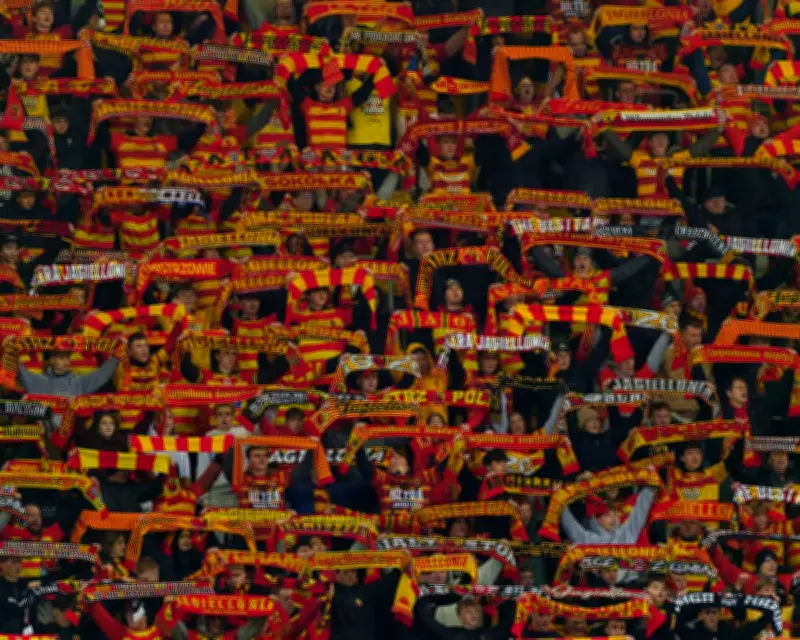
Poland's football landscape has undergone a remarkable transformation since co-hosting Euro 2012, which catalysed significant infrastructure improvements. Modern stadiums now set continental standards, while average attendances have soared to 13,674 this season - an increase of over 4,500 from a decade ago. Even more impressive is the competitive balance: bottom club Bruk-Bet Termalica Nieciecza trail leaders Wisla Plock by just eleven points.
"All the ingredients are there," says Olivier Jarosz of consultancy LTT Sports, which works closely with the Ekstraklasa. "Now there is another one: financial capability. If you have infrastructure, passion, history, players, money and investment then you have the recipe for making it happen."
European Progress and Ambitious Targets
Poland's rise in European football is quantifiable. The nation currently sits twelfth in UEFA's coefficient rankings, a dramatic improvement from twenty-first position just two years ago. This season, three Polish clubs - Jagiellonia Bialystok, Rakow Czestochowa, and Lech Poznan - have reached the knockout stages of European competitions.
The introduction of the UEFA Conference League has particularly benefited Polish football, providing more European opportunities for clubs. Dariusz Mioduski, owner of traditional powerhouse Legia Warsaw, acknowledges this progress while setting ambitious targets: "The ambition is not to purely be competitive at that level. It is to start playing in the Europa League and eventually have representation in the Champions League."
Financial Growth and Changing Ownership Models
A significant shift in club ownership structures is driving financial growth. More than half of Ekstraklasa clubs are now privately owned, predominantly by Polish businesspeople who approach their investments with professional seriousness rather than treating them as mere hobbies.
This new financial capability is attracting higher-quality players. Recent high-profile signings include former Arsenal and Leeds player Sam Greenwood, who joined Pogon Szczecin for €2 million, and Ghanaian winger Osman Bukari, who moved to Widzew Lodz for a reported €5.5 million - a league record transfer.
The Competitive Edge: Physicality and Development
The Ekstraklasa has developed a distinctive identity as one of Europe's most physically demanding competitions. "It's a very intensive, physical league," explains Mioduski. "If you're just a good football player and don't come with the right intensity, physicality and mentality, it won't work out."
This challenging environment is increasingly seen as an excellent development ground for young talent. Foreign players now view Poland not merely as a lucrative final destination but as a platform where they can genuinely improve before potentially moving to stronger leagues.
Future Prospects and Commercial Growth
Looking ahead, the Ekstraklasa aims to maximise its commercial potential, particularly regarding television rights. The current deal with Canal+ generates approximately £67 million annually - about half the value of the Dutch Eredivisie's broadcast agreement. League officials believe there is significant room for growth as the competition's quality and appeal increase.
Jarosz envisions even greater possibilities, suggesting Poland could eventually establish itself as Europe's sixth major football league alongside the traditional top five. While acknowledging there is considerable distance to travel, he points to the league's growing maturity and competitive depth as promising indicators.
As Polish clubs continue to make European progress and domestic attendances keep rising, the Ekstraklasa appears poised for sustained growth. The thrilling title race unfolding this season, with its unprecedented competitive balance, provides compelling evidence that Polish football's remarkable renaissance is gathering momentum.