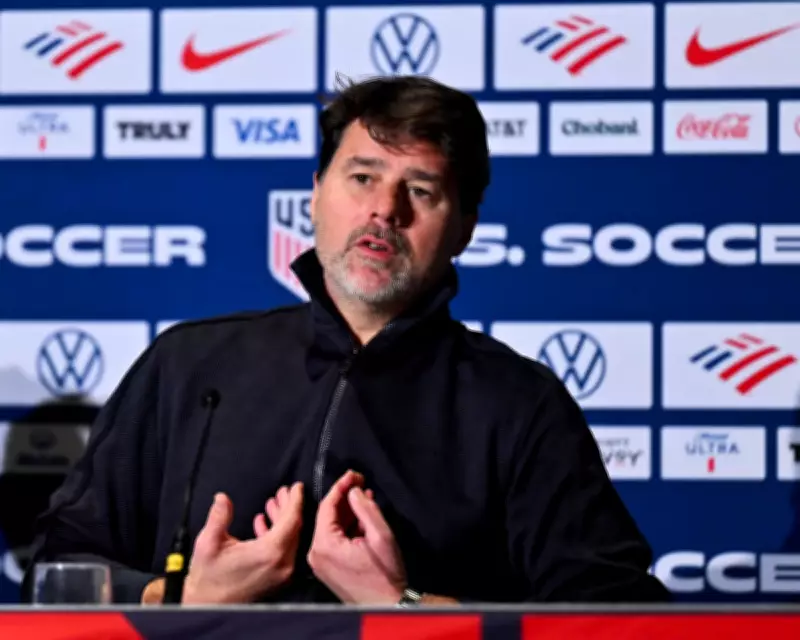
Prominent football personalities Mauricio Pochettino and Tim Weah have publicly criticised the escalating ticket prices for the upcoming World Cup, raising alarms about the potential impact on fan accessibility and the broader spirit of the sport. Their comments highlight growing concerns within the football community over the commercialisation of major tournaments and its effects on ordinary supporters.
Voices of Concern from the Football World
Mauricio Pochettino, the experienced manager known for his roles at top clubs, and Tim Weah, the talented forward for the United States national team, have both expressed dismay at the cost of attending World Cup matches. They argue that the steep pricing could deter many fans from experiencing the event live, undermining the inclusive nature that football traditionally champions. This criticism comes amid reports of ticket categories reaching unprecedented highs, sparking debates about affordability and fairness in global football events.
Implications for Fan Engagement and Sport Integrity
The remarks from Pochettino and Weah point to a deeper issue regarding how major sporting events balance revenue generation with fan engagement. High ticket prices risk creating a barrier for diverse audiences, potentially limiting attendance to wealthier individuals and corporate entities. This could erode the vibrant atmosphere that defines World Cup stadiums and alienate loyal supporters who form the backbone of the sport's community. Furthermore, such pricing strategies might affect the overall integrity of football by prioritising financial gains over grassroots participation and global inclusivity.
Broader Context and Industry Reactions
This criticism is not isolated, as other figures in football and related industries have previously voiced similar concerns about ticket affordability at international tournaments. The issue ties into wider discussions about the economics of modern sports, where broadcasting rights and sponsorship deals often overshadow fan accessibility. Responses from organising bodies and stakeholders will be closely watched, as they may need to address these concerns through potential adjustments in pricing structures or enhanced support programmes for fans. The outcome could influence future event planning and policies aimed at maintaining football's appeal across all socio-economic groups.
In summary, the vocal stance taken by Mauricio Pochettino and Tim Weah underscores a critical moment for football, urging a reevaluation of how World Cup tickets are priced to ensure the sport remains accessible and true to its communal roots. Their advocacy highlights the need for a balanced approach that sustains both the financial viability and the inclusive ethos of international football competitions.