Premier League Teams' Unique Stylistic Strengths This Season Revealed
As the campaign draws to a close, we looked at what each Premier League team did best this season, based on detailed phase of play data and models that measure how teams and players play. These insights come from the first annual Football Style Awards, a celebration of process over results.
Arsenal: Defense (maybe) wins championships
Arsenal haven't just allowed the fewest goals in the English top-flight – they've been one of the most impenetrable defenses in almost every phase of the game. Futi counts a tactical phase of play as won if the team in possession improves their goal probabilities from start to finish, which the Gunners' opponents almost never did. Want to play through them with organized possession? Good luck winning the buildup, progression or finishing phases against a defense that allowed a bottom-three win rate in all three. Even if you found a way through, it was another trap: Arsenal had the most counterattacks in the league.
Manchester City: Dribbliest boys
In some ways the stats read like vintage Pep Guardiola: most passes attempted, deadliest attack by goals both real and expected, highest field tilt. But change has crept up. City have assembled a squad of dribblers: Jérémy Doku, Matheus Nunes, Rayan Aït-Nouri, Tijjani Reijnders, Rayan Cherki, and Antoine Semenyo. The result is a squad that leads the league not only in take-ons but also progressive carries, which shuttle the ball 25% of the remaining distance to goal.
Manchester United: Most versatile
United's comeback story is one of progress. According to futi's team ratings, no team has made more progress since last fall. Most of that improvement came before Ruben Amorim got the sack in January. Amorim's team were one of the most flexible in the league, splitting their fixtures fairly evenly between three of futi's four match styles. Under Michael Carrick, United have evolved to play less Bunker and Counter ball and more Press and Possess style.
Aston Villa: Staying grounded
Unai Emery's men kept it on the grass, spending less time in the high ball phase and going up for fewer headers than anyone but Man City. Villa were content to take it slow on and off the ball, staying patient in the buildup and not applying much pressure when they lost the ball. Their grounded style allowed the third-fewest expected goals in transition.
Liverpool: Progress, not perfection
Even without Trent Alexander-Arnold's magic right boot, Liverpool led the league in progressive passes and passes into the penalty area. No one was more successful at moving the ball through midfield in organized possession. If only they'd been able to finish those moves or stop opponents from making progress in the other direction.
Bournemouth: Chaos is a ladder
Andoni Iraola would rather light a stick of dynamite and run for cover. Futi's chaos tendency measures time spent in loose ball or high ball situations. Bournemouth were England's lords of chaos, ranking in the top three for direct buildups, high tempo and high pressing.
Brighton: Building something
Brighton consistently found a way through, over or around. No one won more of their buildups than the 67% success rate for Fabian Hürzeler's side, who edged out Arsenal, Liverpool and Man City for the honor.
Brentford: Set-piece savants
Brentford's decision to promote their set-piece coach to manager paid off with the most expected goals from set pieces in the league. No one attempted more long throws than the Bees, thanks to Michael Kayode's heroic hurls.
Sunderland: Tactically on-trend
Sunderland were second in the league for attacking free-kicks and attacking throw-ins, fifth for high pressing intensity. The pragmatic style worked well enough to make them a feelgood story and to surprise bookies who'd favored them to drop right back down.
Chelsea: Press bait
Chelsea kept courageously playing through pressure. Their buildup play was the most patient as well as the most central, drawing opponents high up the pitch to create space between the lines. When it worked, their fast breaks were among the very best.
Newcastle: Pressure cooking
Opponents won a league-low 55% of their buildups against Eddie Howe's aggressive press and didn't fare much better in organized progression. The way to beat the Magpies was on fast breaks or transitions, which happened with unfortunate frequency.
Everton: Free-kick fanatics
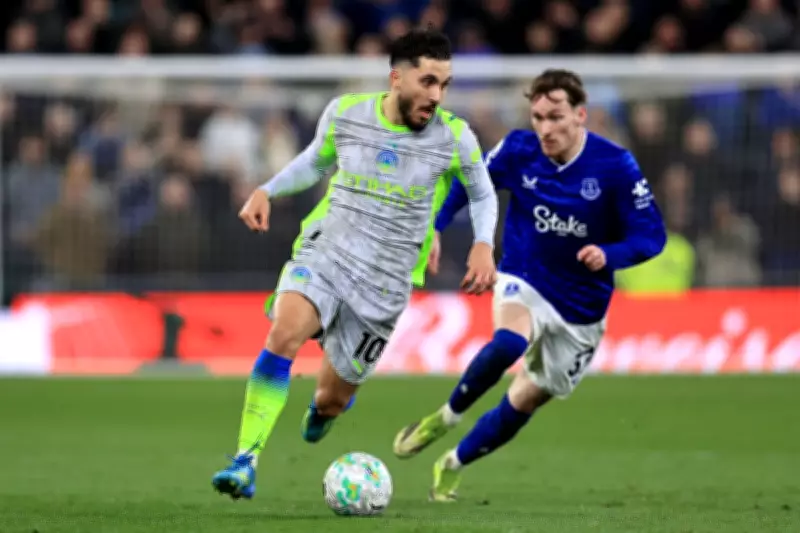
Sean Dyche's legacy lives on every time Everton take an attacking free-kick, which they do more often than any team. They simply turn almost any midfield stoppage into an attacking set-piece by bringing Jordan Pickford forward to launch the ball into a crowd.
Fulham: The closers
Fulham led the league in futi's fast break phase, which accelerates out of organized possession to create a counter-type situation. They didn't reach the finishing phase often but won a higher percentage than anyone.
Leeds: Air force
No squad was taller than Leeds United when weighted by minutes played, and no team attempted more headers or spent more time in high ball phases. Keeping the ball in the air was enough to leave them looking down at teams expected to finish above them.
Crystal Palace: Best Bunker and Counter
Nobody allowed less expected goals in transition than Oliver Glasner's deep-crouching Crystal Palace and nobody won a higher percentage of their own counterattacks, thanks to the zippy trio of Ismaïla Sarr, Daniel Muñoz and Jean-Philippe Mateta.
Nottingham Forest: Great wide open
Forest had the fourth-widest buildup and widest attack, and no one's opponents built up more centrally. Results suggest football may be more complex, but they managed to stay up.
Tottenham Hotspur: Take on me
With none of their available midfielders able to pass, Tottenham dribbled a lot – they took on more defenders than anyone but Man City. They also spent more time chasing loose balls than any team.
West Ham: Impossible to counter
Under Nuno Espírito Santo, West Ham sunk deep into a Bunker and Counter rut. An allergy to organized attacking phases made them the second-most difficult team to counterattack against.
Burnley: Long goal-kick lovers
Scott Parker's Burnley took 81% of their goal-kicks long, by far the most in the league, while sitting off far enough to encourage opponents to play their own goal-kicks short. When the other team tried to go long, Burnley won the phase almost 90% of the time.
Wolves: Counterpressing champs
Wolves' opponents managed to secure the ball safely just half the time, the lowest percentage in the league. Maybe losing the ball is like anything else: practice makes perfect.