The head of the UK's communications regulator has issued a stark warning: the world of sport risks losing its female stars unless tech giants take urgent action to clamp down on online abuse and misogyny.
A Call for Tech Giants to 'Step Up'
Dame Melanie Dawes, chief executive of Ofcom, told Sky News that it is crucial for social media companies to adopt new recommendations designed to clean up their platforms. "It's really important here that the tech companies step up," she stated, highlighting the severe impact of coordinated online pile-ons and hateful messages directed at women in the public eye.
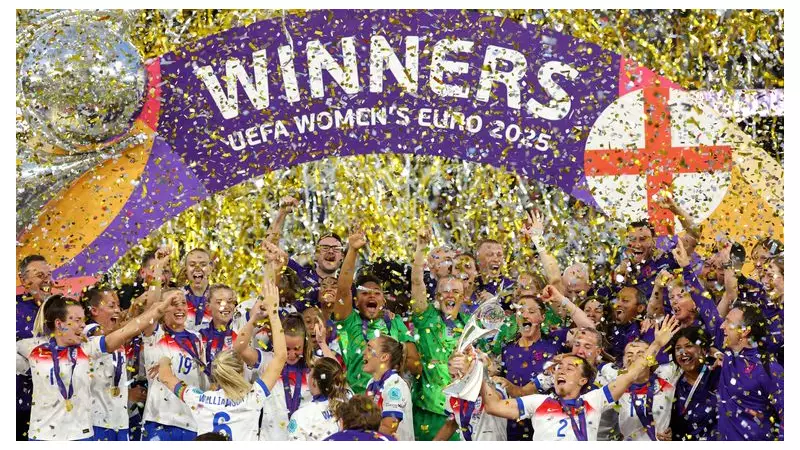
This call to action follows a year where female athletes have been increasingly vocal about the torrent of abuse they receive. England footballer Jess Carter, a member of the victorious Women's Euros squad, revealed that the abuse she endured during the tournament made her question whether she would have "the courage to go back on the pitch and play again."
Ofcom's Proposed Safety Measures
To combat this issue, Ofcom is urging platforms like Elon Musk's X and Meta's Instagram to implement a series of specific measures. These recommendations were developed after consultations with victims, survivors, safety experts, and women's advocacy groups.
The key proposals include:
- Introducing prompts that warn users to reconsider before sending harmful messages.
- Stopping payments and monetisation for posts that promote misogynistic abuse or sexual violence.
- Ensuring algorithmically recommended posts, such as those in "for you" feeds, include a wider range of perspectives to prevent them from becoming "toxic echo chambers."
- Allowing users to block or mute multiple abusive accounts simultaneously.
The Real-World Impact on Talent and Families
Dame Melanie emphasised that the consequences of inaction are severe and tangible. "We're going to lose talent in sport," she warned. She explained that women in public roles often face such intense abuse that the personal toll becomes unmanageable, leading them to withdraw from their careers.
"This is about actually helping people to do their jobs, to do incredible things for their country," she added, framing the issue as one of workplace safety. While these measures are designed to protect all women online, high-profile female athletes are often the most visible targets, especially during major televised events watched by millions.
Clarifying the intent, Dame Melanie stated the goal is not to limit free speech but to implement "nudges and prompts, better reporting, and clearer privacy settings." She defined the line between criticism and abuse as being crossed when comments become volume-intensive, coordinated, and abusive, misogynistic, or racist.
The urgency is underscored by data showing that suspected online hate crimes referred to police have quadrupled this season in English football. While Ofcom demands immediate action, it has indicated that if the tech companies' efforts fall short, it may ask the government to strengthen online safety laws within the next two years.
However, for some, like former England player turned broadcaster Lianne Sanderson, the recommendations do not go far enough. Having received death threats and daily abuse, including on photos celebrating her marriage, Sanderson argues for mandatory online identification. "They need to do more to protect people like myself because I've had enough," she said, revealing the constant mental burden and the quandary of whether to leave social media platforms altogether.