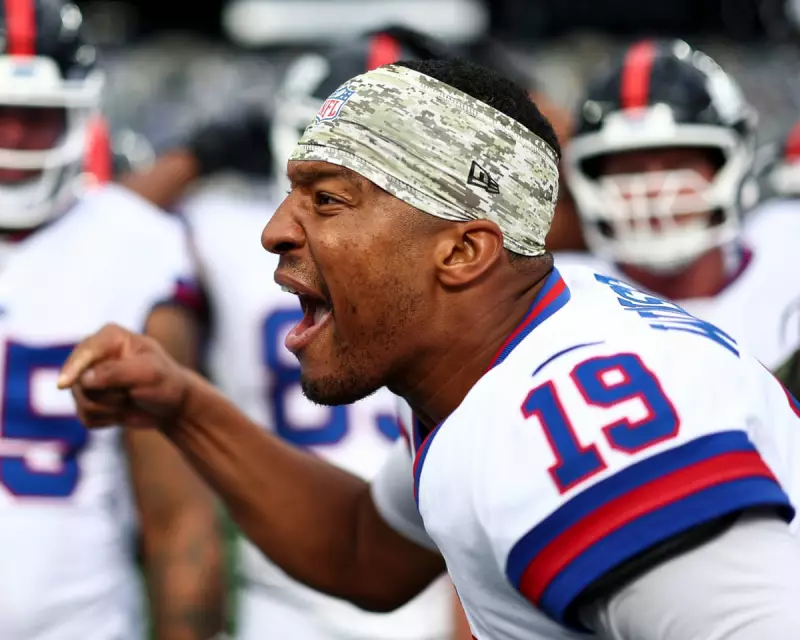
The National Football League has sparked significant controversy after publicly referring to New York Giants quarterback Jameis Winston as a 'national treasure' in a recent social media post. This designation has been widely criticised given the player's chequered past, which includes serious off-field allegations and disciplinary action from the league itself.
The Problematic 'National Treasure' Designation
To mark Winston's return as starting quarterback for the Giants last weekend, the NFL's official channels released a hype video showcasing his most eccentric quotes and playful personality. Accompanying the footage was the contentious description that has since drawn ire from commentators and fans alike.
What the video notably omitted was any reference to Winston's controversial history. This includes sexual assault allegations during his time at Florida State University, for which he was never criminally charged but reached an out-of-court settlement in 2015. The video also failed to mention his three-game suspension by the NFL in 2018 after an investigation concluded he inappropriately touched a female Uber driver without her consent.
A History of Controversial Behaviour
Winston's problematic track record extends beyond these significant incidents. In 2014, he received a citation for shoplifting crab legs from a Publix grocery store. More recently, he faced criticism for telling elementary school students that boys should 'stand up' and 'be strong' while girls should be 'silent, polite, and gentle', comments for which he later apologised.
Perhaps most troubling was Winston's defence last year of fellow quarterback Deshaun Watson, who faced sexual misconduct allegations from dozens of women. Winston described Watson as having 'the world against him', seemingly overlooking the serious nature of the accusations that led to Watson's 11-game suspension by the NFL.
The NFL's Selective Memory
The league's celebration of Winston appears particularly hypocritical given its own disciplinary history with the player. The NFL itself suspended Winston for violating its personal conduct policy, stating the disciplinary action was 'necessary and appropriate'.
This isn't the first time the NFL has promoted players with serious off-field allegations in their past. Figures like Tyreek Hill and Ben Roethlisberger have similarly received promotional hype despite their controversial histories, suggesting a pattern of prioritising marketable personalities over ethical considerations.
While Winston has undoubtedly become a fan favourite known for his charismatic personality and occasional spectacular plays, the 'national treasure' label remains deeply inappropriate. True national treasures like Dolly Parton or Tom Hanks maintain widespread admiration through consistently positive contributions and uncontroversial histories.
The incident raises important questions about sports media's responsibility in portraying athletes. While creating entertaining content is understandable, glorifying players with serious allegations in their past without context or acknowledgement does a disservice to fans, particularly younger audiences who may be unaware of this history.
The NFL would be wise to exercise more thoughtful judgement in how it presents its players moving forward, ensuring that promotional efforts don't inadvertently whitewash concerning aspects of an athlete's past.