Newcastle United's transformative vision under Saudi Arabian ownership, heralded with immense fanfare in 2021, now appears shrouded in bleak suspicion and a growing list of unfulfilled promises. The club's ambitious trajectory, once sold as a vivid dreamscape to supporters, has encountered significant obstacles across multiple layers of bureaucracy, economics, and geopolitics.
The Footballing Reality: A Squad Underperforming
The immediate on-pitch concerns are palpable. High-profile signings from last summer's transfer window, conducted amidst internal upheaval, have largely failed to deliver. Nick Woltemade, a £69 million acquisition, has stopped scoring. Anthony Elanga, a £55 million winger, struggles for consistent game time and goals. Malick Thiaw, a £35 million centre-half, continues to make basic defensive errors. This period, managed without a permanent sporting director and with an outgoing chief executive, is increasingly viewed as a disastrous misstep.
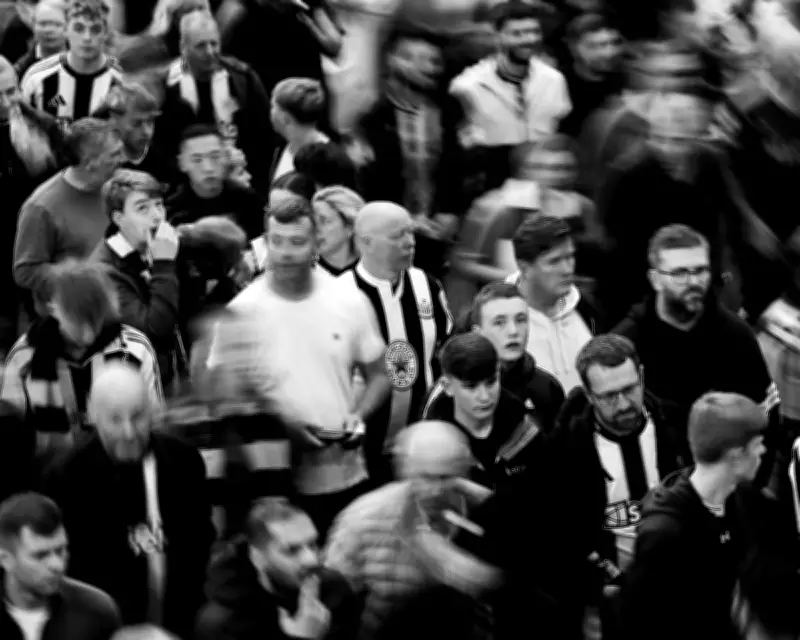
The football itself seems slower, less urgent. The atmosphere at St James' Park has shifted from euphoric expectation to a quieter, more anxious tension. Manager Eddie Howe is widely seen as the primary figure holding the project together through sheer force of personality and man-management.
Transfer Turmoil and Executive Optimism
Further uncertainty clouds the squad's future. Alexander Isak's departure appears to have lit an exit path others may follow. Sandro Tonali's agent stirred speculation on deadline day, while the long-term futures of Bruno Guimarães, Lewis Hall, and Tino Livramento remain subjects of intense transfer saga speculation. The club's new sporting director, Ross Wilson, is still settling into his role. Meanwhile, chief executive David Hopkinson's bold assertion that Newcastle can become the world's best team by 2030 stands in stark contrast to their current 11th-place Premier League position and a January transfer window that yielded no new signings.
Infrastructure Promises: From Vision to Vapour
Beyond the pitch, the grand infrastructural promises central to winning public support for the Saudi takeover have failed to materialise. A new training ground, rumoured for a site near the airport, shows no signs of development—no spades in the dirt, no official announcements, no architect's drawings or timelines. The visionary new stadium in Leazes Park remains a mere figment of the imagination.
During the takeover process, financier Amanda Staveley emphasised the Public Investment Fund of Saudi Arabia's (PIF) "massive plans to invest in the city, in housing, everything." The regeneration of St James' Park, its immediate community, and the wider urban area was a cornerstone of the bid's public appeal. More than four years on, there is scant evidence these schemes were ever formally planned, let alone set in motion.
The Saudi Context: A Pattern of Downsizing
This local stagnation mirrors a broader pattern of recalibration within Saudi Arabia's investment strategy. The PIF recently and dramatically downscaled its vast £5.8 trillion Neom megacity project, including the fantastical 'Line' development, due to soaring costs. Reports suggest developers faced insurmountable logistical obstacles but felt unable to relay the true scale of challenges to Crown Prince Mohammed bin Salman.
Elsewhere, ambitious projects are being pared back. The Mukaab skyscraper in Riyadh has been scrapped. Speculation persists that Saudi Arabia's generous budget for boxing mega-fights is being tapered. Even within its domestic football league, discontent simmers, with Cristiano Ronaldo reportedly protesting a perceived lack of investment at Al-Nassr.
Financial Pressures and Global Retrenchment
Beneath the surface of grand announcements, the PIF is said to be facing significant financial constraints. Falling oil revenues have created a substantial deficit. Its investment portfolio is reportedly littered with costly ventures that have yet to yield returns, from a cruise line owning a single ship to an electric vehicle company yet to sell a car. International investors are being informed that no new capital is available as the fund undergoes a "restructuring."
This context of retrenchment and recalibration raises profound questions about where a lavish, long-term commitment to a Premier League football club fits. The crown prince's promise of $1 trillion in US investments during a White House visit offered no concrete details, further fuelling uncertainty.
Fan Sentiment and a Cold Unease
Despite these mounting concerns, the vast majority of Newcastle fans have not meaningfully turned against the Saudi ownership. The grim memories of the Mike Ashley era remain fresh, and the club retains Champions League qualification hopes for this season and next. However, a distinct cold unease has taken hold at one of England's historic clubs.
There is a bleak suspicion that the vivid 2021 vision—a vision that prompted many supporters to overlook or deflect serious human rights concerns—may be years from fruition, if it arrives at all. The recent history of the PIF is increasingly viewed as a tale of grand schemes, wild ambition, and promises either deferred, unkept, or perhaps never intended to be kept in the first place.
An Uncertain Future with No Recourse
The path forward remains opaque. Perhaps form will return for key players. Perhaps a cup run will reignite the city's passion. Perhaps the training ground and stadium plans will eventually advance. But there are absolutely no guarantees. Should none of the promised transformation occur, there will be no meaningful recourse, no outlet for buyer's remorse, and no way to hold decision-makers accountable.
The fate of Newcastle United and its city is now entangled in layers of distant bureaucracy, global economics, and geopolitics. Critical decisions will be made without local consent or veto, in inaccessible rooms, turning on the whims of the oil market or the shifting priorities of a distant palace. It stands as one of English football's enduring tragedies: those with the greatest emotional investment in their club ultimately possess the smallest stake in determining its destiny.