Moyes Reflects on United's Post-Ferguson Decline
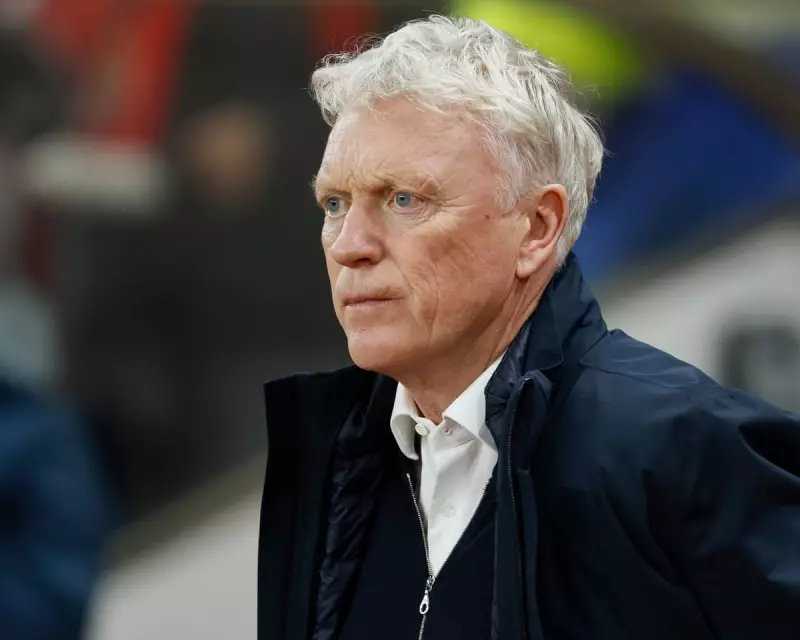
David Moyes has broken his silence about his turbulent period as Manchester United manager, stating the club required a long-term rebuilding project when he succeeded Sir Alex Ferguson in 2013. The Everton manager returns to Old Trafford on Monday with his current team, facing a United side enjoying a five-match unbeaten streak in the Premier League.
Moyes admitted his eleven-month tenure at United "didn't work for different reasons" but emphasised he has moved on from that challenging chapter. Despite inheriting a championship-winning squad from Ferguson, the Scottish manager insists United's ongoing wait for a 21st league title doesn't surprise him.
The Challenge of Competing with Rivals
"I always believed when I accepted the position that it wouldn't be a quick fix," Moyes revealed. "Shortly after my arrival, I recognised the situation would require considerable time to resolve. We must acknowledge that the challenge wasn't solely about United's capabilities - the strength of competing clubs played a significant role."
Moyes highlighted the formidable opposition during his brief reign, noting: "Manchester City, Liverpool, Chelsea and Arsenal were all exceptionally powerful during that period. These clubs were continuously rebuilding and strengthening their squads. Their rising quality contributed as much to United's struggles as any internal factors."
United's Cultural Shift Under Scrutiny
Ruben Amorim has become United's sixth permanent manager since Ferguson's retirement and faced intense pressure before the team's recent improvement. Moyes perceives the frequent managerial changes as evidence of a cultural transformation at Old Trafford that contradicts traditional United principles.
"The historical identity of Manchester United didn't involve such constant change," Moyes stated. "The club possessed outstanding cultural foundations. They demonstrated patience with managers and commitment to developing academy graduates. United embodied the ideal club characteristics - strong values and stability."
He elaborated on Ferguson's legacy: "Sir Alex established remarkable values at Manchester United that required time to flourish. The club historically understood the importance of nurturing young talent through proper development pathways."
Amorim's Cautious Optimism
Despite United's encouraging five-match unbeaten run, current manager Ruben Amorim maintains a cautious outlook. "The storm hasn't passed," the Portuguese manager insisted, referencing his prediction from eleven months ago when he warned of approaching difficulties after a 4-0 victory against Everton.
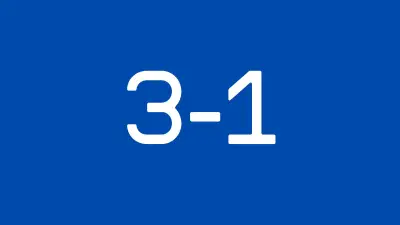
United's recent results include victories against Sunderland, Liverpool and Brighton, alongside draws with Nottingham Forest and Tottenham. This represents a significant improvement following their 3-1 defeat at Brentford on September 27th.
Amorim explained his perspective: "Observing the league table reveals that bottom-placed teams have accumulated considerable points, meaning situations can transform rapidly. I prefer not to declare the storm over, but we're better equipped to handle challenges now."
The manager emphasised maintaining urgency: "This awareness drives my approach, creating imperative during every training session. In the Premier League, circumstances can change instantly because any team can triumph on their day."
When questioned about extending United's unbeaten sequence to ten matches, Amorim responded pragmatically: "We must focus on achieving six unbeaten games first, though remaining undefeated doesn't satisfy us completely. I felt particularly frustrated after our two recent draws. In my mindset, we haven't secured victory in two matches, so that's my primary concern."
With striker Benjamin Sesko sidelined for several weeks due to a knee injury sustained during the 2-2 draw with Tottenham, Amorim addressed his decision to loan Rasmus Højlund to Napoli. "Managing squad satisfaction at major clubs presents challenges," he acknowledged. "If Højlund remained and Sesko suffered injury, people would question why he wasn't playing more. This reality underscores the importance of developing academy prospects - injuries create opportunities for emerging talent."