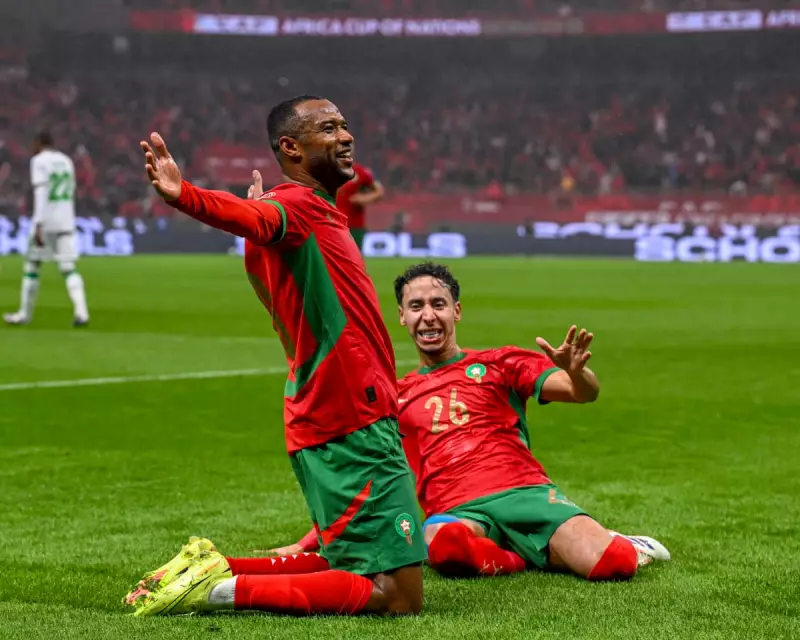
Morocco's hosting of the 2025 Africa Cup of Nations (AFCON) represents a monumental shift in the nation's sporting and diplomatic fortunes, firmly closing a chapter on its former status as a continental pariah. The tournament, which concluded with the host nation's impressive run to the semi-finals, has been hailed as a resounding success, showcasing Morocco's world-class infrastructure and its renewed, influential position within the Confederation of African Football (CAF) and the global game.
From Diplomatic Exile to Continental Host
The journey to this point was fraught with decades of isolation. Morocco's self-imposed exile from the African football family began in the 1970s over political disputes concerning the status of Western Sahara. This lengthy absence saw the country miss out on two decades of AFCON tournaments between 1978 and 1998, a period where its national team and football administration were largely sidelined from continental affairs.
This isolation started to thaw in the late 1990s, but the true renaissance began under the leadership of Fouzi Lekjaa. As president of the Moroccan Football Federation (FRMF), Lekjaa embarked on an ambitious and expensive project to drag Moroccan football into the 21st century. His strategy was twofold: invest heavily in state-of-the-art infrastructure and forge stronger ties with CAF. This calculated diplomacy and tangible investment paved the way for Morocco's successful bid to host the 2025 finals, a symbolic full-circle moment.
A Tournament Transformed: New Temples of Football
The 2025 AFCON served as the grand unveiling of Morocco's footballing revolution. Gone were the outdated venues of the past; in their place stood six magnificent new stadiums constructed specifically for the tournament. These architectural marvels, located in Casablanca, Rabat, Marrakech, Agadir, Fez, and Tangier, provided a fitting stage for Africa's premier football event.
The crown jewel was undoubtedly the Grand Stade de Casablanca, a 93,000-seat colossus that hosted the opening match and the final. Its scale and modernity sent a clear message about Morocco's ambitions. Beyond the stadiums, the nation demonstrated exceptional organisational prowess, with efficient transport links, fan zones, and security measures impressing visitors and confederation officials alike.
On-Field Success Under Regragui's Leadership
The Moroccan national team, the Atlas Lions, played a crucial role in the tournament's narrative. Under the astute management of coach Walid Regragui, the side captivated the nation. Building on their historic run to the 2022 World Cup semi-finals, they carried the hopes of a expectant host nation.
Their campaign was a thrilling ride, culminating in a narrow 1-0 defeat to eventual champions Algeria in the semi-finals. While falling short of the ultimate prize, their performance solidified their status as a continental powerhouse and provided the perfect sporting accompaniment to the off-field celebration of Moroccan progress. The passionate support from home fans throughout the tournament underscored football's deep-rooted place in the nation's culture.
A New Chapter for Moroccan and African Football
The legacy of AFCON 2025 extends far beyond the final whistle. For Morocco, the event has irrevocably altered its standing. It is no longer an outsider looking in but a central pillar of African football's architecture. The country is now seen as a reliable partner capable of hosting mega-events, with future bids for the World Cup a distinct possibility.
For CAF and African football as a whole, the tournament set a new benchmark for hosting. It demonstrated that with significant investment and political will, the continent can produce events that rival any in the world in terms of facilities and spectacle. The success also strengthens the hand of those within CAF who have backed Morocco's reintegration, proving that engagement and investment yield greater rewards than prolonged isolation.
In conclusion, the 2025 Africa Cup of Nations was more than just a football tournament for Morocco. It was a coming-of-age ceremony, a diplomatic triumph, and a powerful statement of intent. The nation has successfully shed its pariah label, emerging as a confident, leading force ready to shape the future of football on the African continent.