
Middle East Football Grapples with Fallout from US-Israel Conflict with Iran
It has been just over three weeks since the United States and Israel launched attacks against Iran, plunging the Middle East into a state of war. The football landscape across the region is now struggling to cope with the significant fallout from this escalating conflict. From disrupted World Cup preparations to complicated Champions League schedules, the beautiful game faces unprecedented challenges.
Iran's World Cup Preparations in Disarray
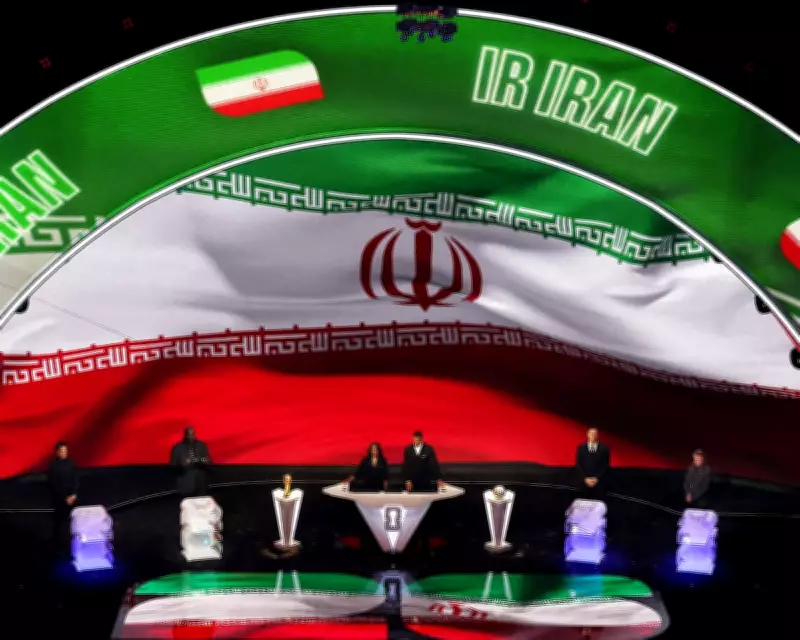
As Tehran continues to face bombardment, Iran's national football team persists with preparations for the 2026 World Cup, though their participation remains uncertain. The team has scheduled friendlies against Nigeria and Costa Rica, both set to take place in Antalya, Turkey, as security concerns prevent matches in Iran.
The most significant controversy surrounding the national team involves the exclusion of star forward Sardar Azmoun. The prolific striker, who has netted 57 goals in 91 international appearances, has reportedly been omitted from the squad for the upcoming friendlies. This decision follows his perceived act of disloyalty to the Iranian government after he posted an Instagram picture of a meeting with Mohammed bin Rashid al-Maktoum, the vice-president of the United Arab Emirates and ruler of Dubai, where Azmoun plays his club football. Even if Iran manages to participate in the World Cup in the United States this summer, Azmoun's involvement appears unlikely.
Champions League Complications Mount
The Asian Football Confederation faces mounting frustration as the conflict disrupts the AFC Champions League Elite schedule. Jeddah, Saudi Arabia, was scheduled to host the quarter-finals onward, with the last eight matches beginning on April 16 and the final set for nine days later. However, these plans now appear increasingly uncertain.
Further complications arise from the incomplete round of 16 matches. While the four ties in the eastern zone have concluded, victorious teams from Japan, Malaysia, and Thailand await their opponents. The four matches in the western zone, reduced from two legs to single games, have yet to take place. The Asian Football Confederation has announced these matches will proceed in Jeddah on April 13 and 14, but the ongoing conflict casts doubt on these arrangements.
Qatar's Football Festival Cancelled
The Qatar Football Festival 2026 has been officially cancelled due to regional instability. The event was scheduled to feature six teams—Qatar, Argentina, Spain, Saudi Arabia, Egypt, and Serbia—competing across three stadiums from March 26 to 31. The most significant casualty is the Finalissima 2026, the highly anticipated clash between European champions Spain and South American champions Argentina. The two teams were unable to agree on an alternative venue, dealing a blow to Qatar's reputation as a global sporting hub.
Uzbekistan Players Return Home
Several Uzbekistan national team regulars who previously played club football in Iran have now returned to their homeland. Midfielder Odil Hamrobekov was the first to arrive in Tashkent, followed by defender Rustam Ashurmatov, winger Oston Urunov, and veteran striker Igor Sergeev. Another winger, Jaloliddin Masharipov, traveled to Italy for medical treatment.
While the lack of competitive game time could present challenges for Uzbekistan's World Cup preparations, head coach Fabio Cannavaro may benefit from having more players available on home soil for training and coordination.
Lebanon Faces Further Setbacks
Lebanon has once again been severely impacted by Israeli attacks, leading to the postponement of all league fixtures until at least the end of April. While the humanitarian crisis takes precedence, this disruption represents a clear setback for the national team. Lebanon faces a crucial 2027 Asian Cup qualifier against Yemen scheduled for March 31, where they need only a draw to secure qualification for the tournament in Saudi Arabia next January.
The match was never planned to take place in Lebanon due to security concerns, but the current situation makes predictions difficult, with rumors circulating about potential postponement.
Iraq Navigates Logistical Nightmares
Iraq's World Cup playoff against either Bolivia or Suriname nearly faced cancellation as many Iraqi players found themselves unable to leave the region. This would have been a devastating blow for a nation hoping to compete in football's premier tournament for the first time since 1986, when Uday Hussein, son of Saddam, oversaw the team.
FIFA initially proposed a 25-hour land journey to Turkey followed by international flights, but this plan was understandably dismissed as impractical. Through extensive diplomatic efforts and numerous phone calls, organizers arranged a much shorter journey to Jordan followed by a private flight to Mexico. While the match will proceed, it does so amid tremendous uncertainty and logistical complications.
The ripple effects of the US-Israel conflict with Iran continue to disrupt football across the Middle East, affecting everything from international tournaments to domestic leagues and individual player careers. As the situation evolves, football authorities face the difficult task of balancing sporting commitments with security concerns and humanitarian considerations.