Historic Old Trafford Set for World Cup Stage
The Football Association is set to give a significant boost to Manchester United's stadium ambitions by including a redeveloped Old Trafford in the UK's official bid to host the 2035 Women's World Cup. The bid book, scheduled for publication this week, will feature the iconic ground despite ongoing uncertainty surrounding the club's plans for a new 100,000-seat stadium.
This inclusion marks a positive step for United after Old Trafford was notably overlooked for the 2028 men's European Championship, with its dated facilities and potential redevelopment cited as reasons. In contrast, rivals Manchester City's Etihad Stadium was selected as a host venue and will stage England's opening game.
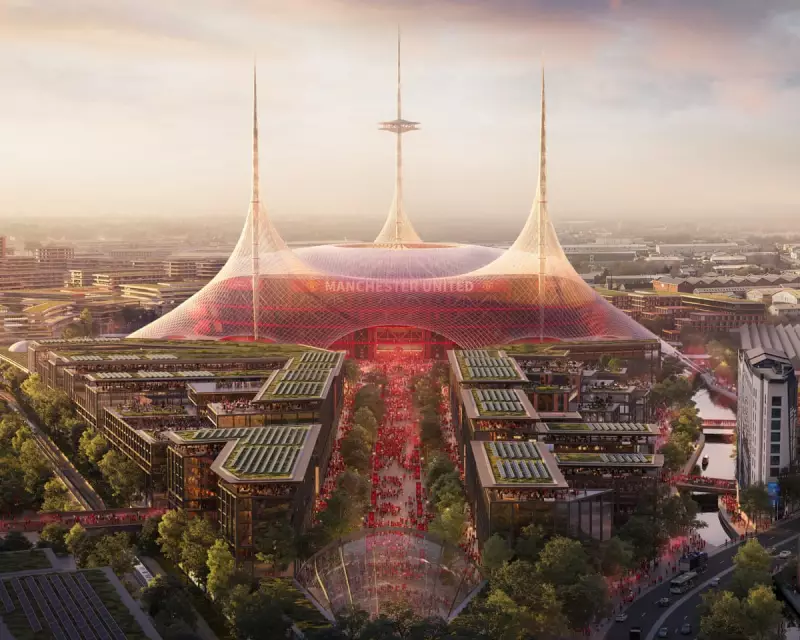
A Vision for the 'Wembley of the North'
Since March, when co-owner Sir Jim Ratcliffe and architect Sir Norman Foster unveiled ambitious artists' impressions, the vision for a new Old Trafford has captured the imagination of fans. Dubbed the 'Wembley of the North', the project is estimated to cost around £2 billion. However, major questions about funding remain unanswered.
The club's aspirations extend beyond just hosting group stage matches. United have set their sights on staging the tournament's final, arguing that a 100,000 capacity and a superior fan experience would give them the edge over Wembley. The FA, however, views this ambition as premature, with final decisions on all stadiums and scheduling resting solely with FIFA and not expected until 2030.
Challenges and National Ambition
Significant hurdles stand between the current plans and a finished stadium. The club has yet to secure the necessary government funding for the wider £4.2 billion regeneration of the Old Trafford area. A standoff also continues with the Freightliner haulage company over the value of adjacent land crucial for the expansion.
The UK is currently the sole bidder for the 2035 World Cup, with the United States, Mexico, Costa Rica, and Jamaica lined up for the 2031 edition. The expansion of the Women's World Cup to 48 teams in 2031 means approximately 15 stadiums will be required. The initial bid book will feature a longer list of potential venues, which is not binding.
Other cities have publicly expressed their desire to be involved. Glasgow, Sunderland, Leeds, Nottingham, Birmingham, and Brighton are all in the running. Birmingham City's proposed new 62,000-seat stadium, planned for a 2030 opening, may also be included. In a positive development for Northern Irish football, Belfast is expected to host matches, unlike in the Euro 2028 bid.
Both Manchester United and the Football Association declined to comment, but the inclusion of a new Old Trafford in the bid represents a powerful statement of intent for the future of women's football and infrastructure in the North of England.