
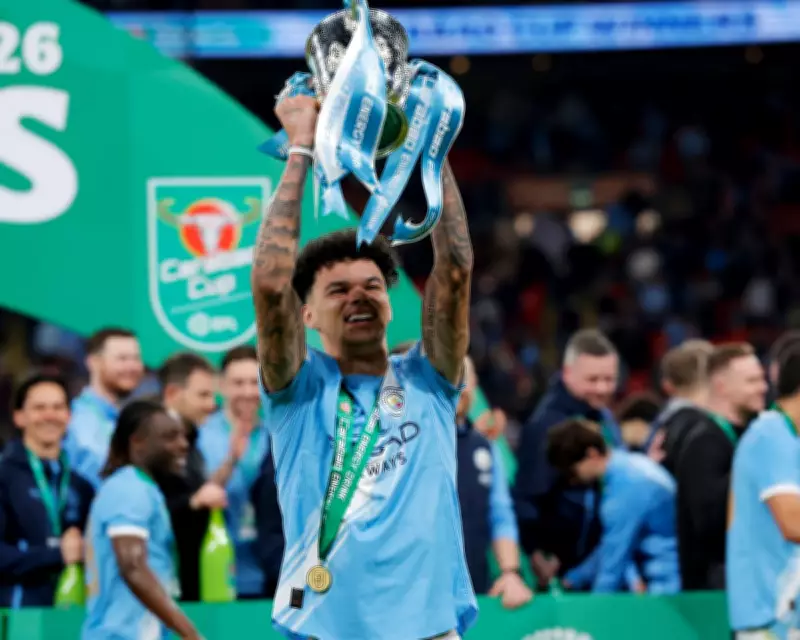
Manchester City Reclaim Carabao Cup with Dominant Final Performance
Manchester City secured their first Carabao Cup triumph since 2021 with a comprehensive 2-0 victory over Arsenal at Wembley Stadium, powered by a memorable double from young left-back Nico O'Reilly. The win represents Pep Guardiola's fifth League Cup success since 2018, reestablishing City's dominance in a competition they once owned.
O'Reilly Emerges as Unlikely Hero in Cup Final Showcase
The 21-year-old O'Reilly delivered the finest performance of his burgeoning career, scoring both goals with well-timed headers that exposed Arsenal's defensive vulnerabilities. His opening strike came in the 53rd minute following a catastrophic handling error from Arsenal's reserve goalkeeper Kepa Arrizabalaga, who fumbled Rayan Cherki's cross directly into the path of the advancing defender.
O'Reilly sealed the victory with his second goal just 22 minutes later, arriving at the far post to expertly guide Matheus Nunes's delivery beyond Arrizabalaga's reach. The young defender's unexpected offensive contribution marked a remarkable departure from traditional cup final narratives, where attacking players typically claim the spotlight.
Guardiola's Tactical Masterclass Outmaneuvers Arteta's Arsenal
Pep Guardiola's strategic lineup decisions proved decisive, with the City manager deploying Antoine Semenyo on the right wing to exploit Arsenal's defensive weaknesses and granting Rayan Cherki creative freedom in central midfield. These tactical adjustments enabled City to control possession throughout the match, gradually tightening their grip as the contest progressed.
Guardiola's visible celebrations following both goals underscored the significance of this victory for a City side that had entered the final as underdogs against an Arsenal team enjoying their best season in recent memory. The triumph represents the 16th major trophy of Guardiola's Manchester City tenure, excluding Community Shield successes.
Arsenal's Wembley Woes Continue as Quadruple Dream Ends
For Mikel Arteta's Arsenal, the final represented a profound disappointment that extended beyond the immediate result. The Gunners failed to register a single shot on target until the 83rd minute and struggled throughout with their buildup play, particularly during a second half where they appeared incapable of escaping City's relentless pressure.
Arsenal's only genuine opportunity arrived in the seventh minute when Kai Havertz found himself one-on-one with City goalkeeper James Trafford, but the German international failed to convert. This early miss would prove symptomatic of Arsenal's overall performance, characterized by offensive impotence and defensive fragility.
Broader Implications for Premier League Title Race
The psychological impact of this defeat could extend far beyond Wembley for Arsenal, who now face intensified scrutiny regarding their trophy-winning capabilities. With their quadruple ambitions dashed, attention shifts to whether Arteta's squad can maintain their Premier League lead amid growing pressure from a resurgent Manchester City.
City's victory narrows the gap to nine points with a game in hand and a crucial home fixture against Arsenal scheduled for April 19th. The momentum generated by this cup triumph positions Guardiola's side as genuine contenders to overhaul their rivals in the league campaign's final months.
Historical Context and Individual Performances
Arrizabalaga's personal Wembley misery continued with his third consecutive League Cup final defeat, adding to previous disappointments with Chelsea in 2019 and 2022. The goalkeeper's error for City's opening goal compounded a difficult afternoon that saw him fortunate to avoid a red card after fouling Jérémy Doku outside his penalty area.
Arteta remained on the pitch with his players to witness City's trophy presentation, a gesture acknowledging both the defeat's significance and the need for immediate response. For Arsenal, the coming weeks will test their resilience and championship credentials as they seek to convert promising form into tangible silverware.