Liverpool Climbs Football Rich List as Stadium Events Fuel Financial Surge
In a significant shift for English football's financial landscape, Liverpool have emerged as the Premier League's top revenue-generating club for the 2024-25 season. This achievement comes despite a historic absence of any Premier League team from the top four positions in the prestigious Deloitte Football Money League, now in its 29th year of publication.
European Giants Dominate as Premier League Slippage Revealed
The annual financial report confirms Real Madrid's continued dominance at the summit, with staggering revenues of €1.61 billion (£1.4 billion). Barcelona follow in second place with €974 million, while German champions Bayern Munich secure third with €860 million and French powerhouse Paris Saint-Germain take fourth with €837 million.
Liverpool's impressive fifth-place finish represents a notable climb from eighth position in the previous season. The Reds' total revenue reached €836 million, propelled not only by on-field successes under manager Arne Slot but significantly by the strategic hosting of major non-football events at their iconic Anfield stadium.
Concert Strategy Proves Transformative for Club Finances
Marco D'Elia, assistant director in the Deloitte Sport Business Group, highlighted how Liverpool's commercial revenue increased by 7%, directly attributing this growth to the club's expanded focus on stadium utilisation beyond matchdays. "Liverpool's strong performance was driven by on-pitch performance, Champions League revenues and that crucial increase in commercial revenues," D'Elia explained.
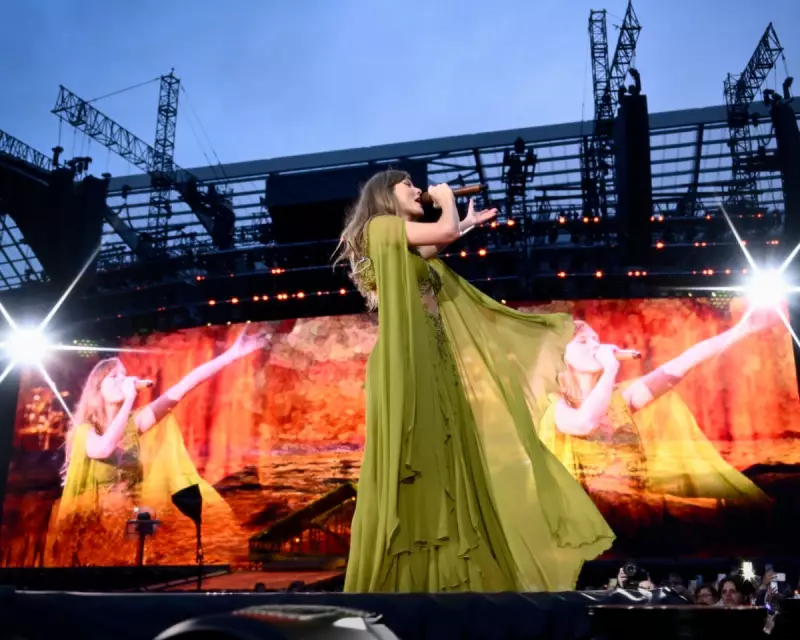
The Merseyside club capitalised on hosting sell-out concerts by global superstars including Taylor Swift, Dua Lipa, and Bruce Springsteen, alongside corporate events that transformed Anfield into a year-round entertainment destination. This diversified approach helped Liverpool overtake domestic rivals who faced their own challenges.
Manchester Clubs Experience Notable Declines
Manchester City, previously second in the rankings, dropped to sixth position with revenues of €829 million, while Manchester United fell from fifth to eighth with €793 million. United's decline reflects both reduced broadcast revenue (from €258 million to €206 million) and their absence from Champions League competition, marking a stark contrast to their historical commercial dominance.
Arsenal, Tottenham Hotspur, and Chelsea maintained their positions at seventh, ninth, and tenth respectively, demonstrating relative stability amidst the shifting financial hierarchy.
Strategic Shift Towards Diversified Revenue Models
Tim Bridge, lead partner in the Deloitte Sports Business Group, identified a fundamental transformation occurring within elite football club business models. "There is a pivotal shift with an increased focus on maximising the impact of their brand and their stadium assets," Bridge observed.
He elaborated on this evolving strategy: "The presence of on-site breweries, hotels and restaurants is now commonplace and illustrates a strategic move to diversify income and create year-round entertainment destinations. This innovative approach is broadening revenue streams significantly, allowing clubs to unlock opportunities far beyond the traditional matchday experience."
This comprehensive financial analysis underscores how leading football clubs are increasingly leveraging their physical assets and global brands to build more sustainable financial futures, with Liverpool's concert-driven revenue growth serving as a prime example of this modern commercial approach.