
Iran Women's Football Team Faces Treason Accusations for Silent Protest
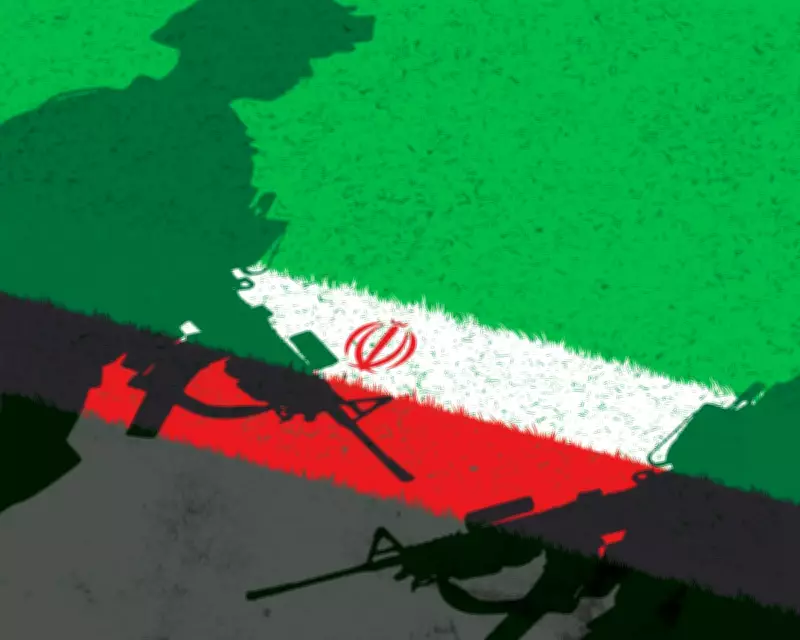
In a powerful act of defiance, the players of Iran's women's football team have been condemned as "traitors" by state television after refusing to sing the national anthem during an Asian Cup match. This silent protest comes against a backdrop of escalating political violence in Iran, where human rights organizations report tens of thousands of deaths during recent protests.
Bravery in the Face of Grave Danger
The team's decision to remain silent during the anthem before their match against South Korea represents extraordinary courage. These athletes have effectively placed themselves in severe danger with no escape route from potential consequences. Iranian state television presenter Mohammad Reza Shahbazi declared on air: "Traitors during wartime must be dealt with more severely," leaving little ambiguity about the potential repercussions.
While the team did sing the anthem before their subsequent match against Australia, 21-year-old player Sara Didar spoke tearfully about the situation in her homeland, highlighting the emotional toll of their position. The men's national team previously made a similar protest during the 2022 World Cup in Qatar, with CNN reporting their families were threatened with "violence and torture" if they repeated the act.
Football's Complicated Political Landscape
The protest occurs within a complex global football environment where political issues increasingly intersect with the sport. FIFA President Gianni Infantino has faced criticism for his perceived alignment with authoritarian regimes and his public appearance wearing a Donald Trump-branded baseball cap during diplomatic meetings. This visual connection between football leadership and controversial political figures has raised questions about the sport's moral compass.
Meanwhile, the Iranian regime's violent crackdown has extended to football communities. According to reports from Josimar, the regime killed approximately two full teams' worth of footballers and football personnel within 48 hours. Former professional player Mojtaba Tarshiz was among those killed during January protests, reportedly struck by more than a hundred shotgun pellets while shielding his wife from security forces.
International Response and Moral Questions
The situation raises significant questions about international football governance and political responsibility. While Russia has been exiled from international sport following its invasion of Ukraine, and Israel faces potential sporting sanctions, Iran continues to participate in FIFA competitions despite documented human rights violations.
Football has provided these athletes with a platform for resistance, but practical protection now falls to governments. Australia, where the team is currently competing, could potentially offer asylum, while the United Kingdom and other nations might provide safe haven. The absence of strong advocacy from football's governing bodies contrasts sharply with the athletes' bravery.
A Defining Moment for Women's Sports
This protest represents one of the most significant acts of sporting heroism in recent memory. These women athletes, operating within a restrictive system that has historically limited women's participation in sports, have used their visibility to draw international attention to political repression in Iran.
The international community now faces a moral test regarding how to respond to athletes who risk everything for political expression. Their silent protest during a sporting event has amplified voices that might otherwise go unheard, demonstrating sport's unique capacity to transcend boundaries and highlight injustice on a global stage.