
Inter Miami's White House Visit Amid Trump's Second Term Sparks Political Debate
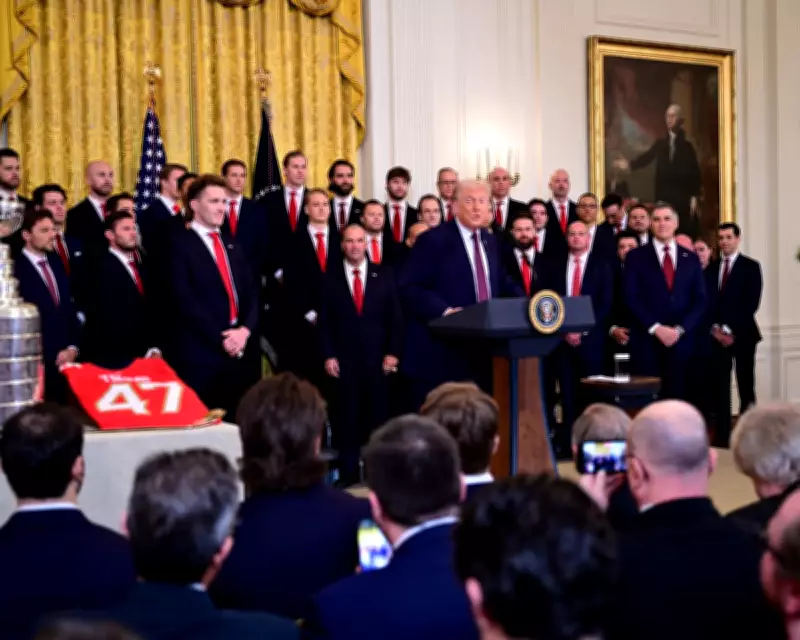
Donald Trump has welcomed other league champions, such as the NHL's Florida Panthers, to the White House during his second term. On Thursday, however, he will host Inter Miami, the winners of the 2025 MLS Cup, in a ceremony that underscores the complex political landscape facing American sports teams.
It remains uncertain whether Lionel Messi will attend, but regardless, the event occurs at a fraught moment, even by Trump's standards. Recently, the president hosted most of the Olympic men's hockey team, though five players abstained, and made a sexist joke about the women's hockey team, who chose not to attend. This highlights how the once-bipartisan tradition of White House visits has become a charged political statement.
The Conundrum for Athletes in a Polarized Era
In this second Trump term, as in the first, the decision to visit the White House forces athletes into a political dilemma they did not seek. Players who are not Trump supporters face a lose-lose scenario: attending can be seen as endorsing a controversial administration, while refusing risks positioning them as anti-Trump figures, inviting backlash and threats.
Former US women's national team star Megan Rapinoe exemplified this moral clarity in 2019, famously declaring she would not visit the White House. Her team skipped the visit after winning the World Cup, unlike their 2015 visit under President Barack Obama. Similarly, the Golden State Warriors visited under Obama and Joe Biden but avoided Trump's presidency despite NBA championships.
Recent Examples of Team Visits and Absences
Recent champions illustrate the varied responses: the NFL's Philadelphia Eagles attended but without key players like Jalen Hurts, while the NHL's Florida Panthers have visited twice in 12 months. The NBA's Oklahoma City Thunder, who won their title shortly after the Panthers, have not announced plans, though they toured the White House under Biden in 2022. The WNBA's Las Vegas Aces visited under Biden but show no intent to go under Trump after their 2025 win, and the Los Angeles Dodgers plan to attend despite fan protests.
Inter Miami's decision to go means navigating a political quagmire that sports franchises typically avoid. The failure of administrators to address this issue quietly or with moral leadership leaves players exposed to ideological battles and potential fallout.
The Impact on Players and Future Implications
Athletes are left to answer for these decisions alone, with the risk of serving as backdrops to controversial remarks or culture-war issues. For Messi and his teammates, this means weighing whether they want images of shaking Trump's hand to define their legacies. No matter their choice, meaning will be attached, reflecting the broader tensions in US sports and politics.