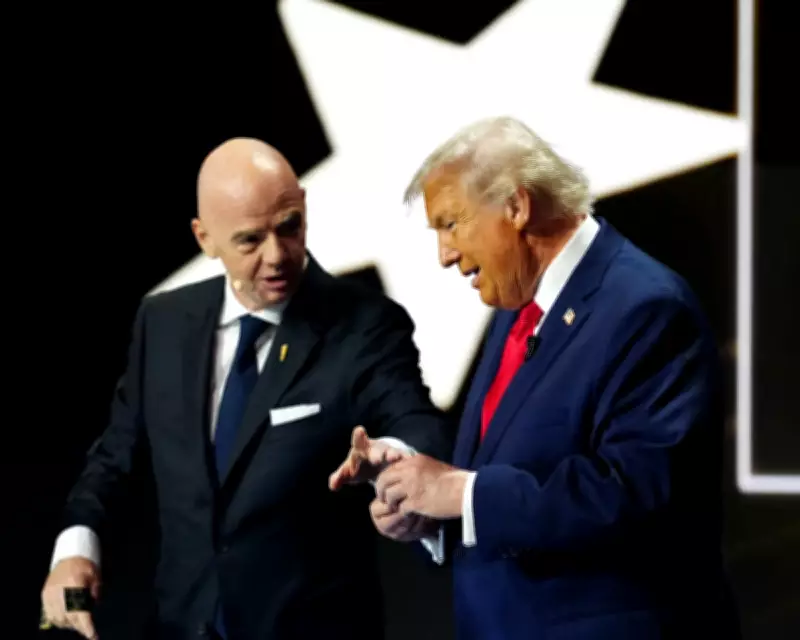
The relationship between Fifa president Gianni Infantino and former US president Donald Trump has sparked significant unease among Uefa members, creating a tense backdrop as football's European governing body gathers for its annual congress in Brussels. Infantino's scheduled address to delegates at the Brussels Expo Hall 3 on Thursday comes at a particularly fractious moment in the often-strained relations between football's two most powerful organisations.
Russia's Potential Return Remains Contentious Issue
Infantino faces particular scrutiny over his recent comments regarding Russia's potential return to international football competitions. At last year's Uefa congress in Belgrade, the Fifa president made a qualified case for Russia's reintegration, but his more recent interview remarks have escalated the controversy significantly. Infantino suggested that the ban on Russian teams should be reconsidered, at least for youth squads, despite Russia's ongoing full-scale invasion of Ukraine.
European football associations remain firmly opposed to any relaxation of sanctions against Russian football. Privately, numerous FA officials express bewilderment that the subject could even be raised given that the geopolitical situation has not improved since February 2022. There is genuine concern among European football leaders that Infantino might attempt to use Fifa's own congress in Vancouver later this month to advance what appears to be his personal agenda regarding Russia's return.
Trump Relationship Creates Deep Unease
The Fifa president's relationship with Donald Trump represents another significant source of tension. While the immediate urgency surrounding the United States as a World Cup co-host has diminished since January, profound discomfort persists within Uefa's leadership circles regarding Infantino's connections to the controversial former American leader.
Any discussion of potential boycotts has effectively disappeared from serious consideration, but the underlying sentiment among European football officials ranges from deep unease to outright disgust regarding Infantino's political associations. This dynamic adds considerable pressure to what might otherwise be a largely procedural appearance in Brussels.
Ceferin's Position Appears Secure Amid Challenges
Meanwhile, Uefa president Aleksander Ceferin appears to occupy a relatively secure position despite numerous geopolitical challenges facing European football. The Slovenian administrator can point to several recent successes, including:
- A successful women's European Championship tournament
- The well-received revamp of the men's Champions League format
- Progress with the new women's club competition structure
- The effective postponement of plans for domestic league matches on other continents
Ceferin's controversial decision to extend Uefa's presidential term limits, followed by his announcement that he would step down in 2027, caused significant controversy in Paris two years ago. However, the prevailing expectation among leading football associations is that he will actually seek an unprecedented fourth term next year, likely without facing serious opposition.
Future Format Changes Loom Large
The relationship between Fifa and Uefa will face further tests in coming years, particularly regarding competition formats. Key areas of potential conflict include:
- Further modifications to the Champions League structure from 2030
- The continued expansion of the Club World Cup tournament
- The growing influence of the European Football Clubs group
- Ongoing discussions about Greenland's potential membership status
Ceferin has previously expressed frustration with what some perceive as a too-passive approach toward Fifa's initiatives, despite his public criticism of many of Infantino's projects. As the European football landscape continues to evolve, both leaders will need to demonstrate considerable diplomatic skill to navigate the complex political terrain.
Thursday's addresses in Brussels may provide clearer indications about the current state of relations between football's two most powerful governing bodies. However, the fundamental tensions surrounding Russia's status, political relationships, and competition formats suggest that football's most explosive issues remain unresolved and potentially combustible.