Against All Odds: Haiti's Historic World Cup Return
In one of international football's most remarkable stories, Haiti has secured its place at the 2026 World Cup, ending a 52-year absence from the global stage. The Caribbean nation's 2-0 victory over Nicaragua sealed their qualification for the 48-team tournament to be jointly hosted by America, Canada, and Mexico.
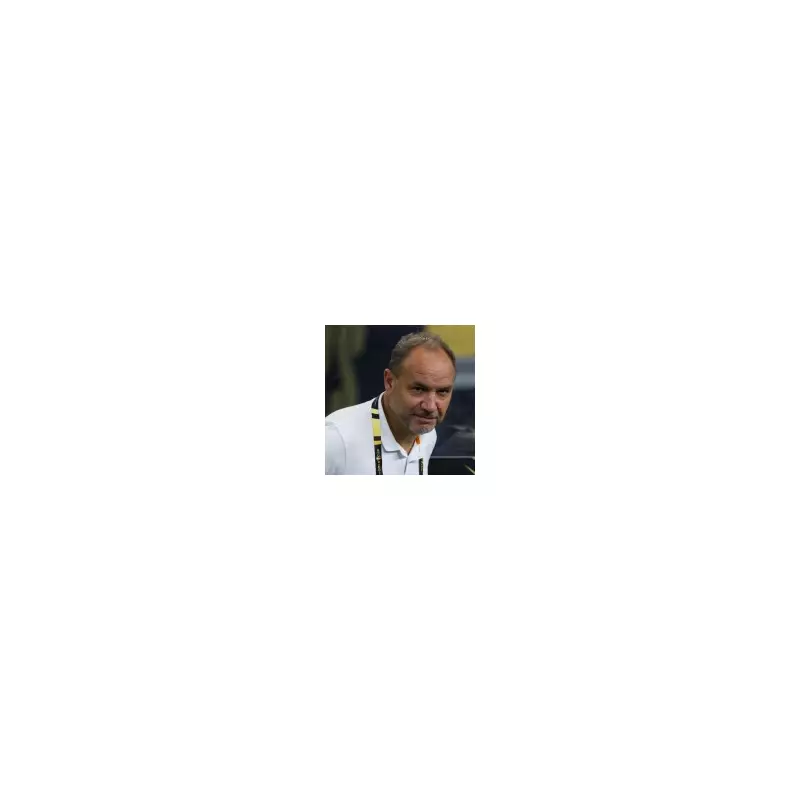
This against-all-odds achievement becomes even more extraordinary considering their manager, Sébastien Migné, has never once set foot in Haiti since his appointment 18 months ago. The 52-year-old Frenchman has been forced to manage the team entirely from abroad due to the extreme security situation in a nation where armed gangs control most of the capital, Port-au-Prince.
A Triumph Forged in Adversity
The path to qualification was anything but straightforward. Haiti had been reeling from a 3-0 defeat to Honduras in October, which left their World Cup dreams hanging by a thread. However, displaying remarkable resilience, Migné's squad bounced back with crucial victories over Costa Rica and Nicaragua within six days to secure top spot in Group C.
Speaking after the decisive match in Curaçao, where a few hundred supporters witnessed history, Migné reflected on their journey. "It's fantastic that after 52 years' absence Haiti has qualified for the biggest footballing stage," he told reporters in a near-empty press conference room.
"I'm happy to make everybody proud and for my players because they deserve it," Migné added. "I sometimes pushed the older players to the limits, but it wasn't for nothing. We had a road map laid out from the beginning. We knew where we were going but we also knew it would be a steep road. But we didn't give it up, we did it all together."
The Remote Manager and His Blueprint for Success
Migné's unique situation stems from the dire circumstances in Haiti, where approximately 1.3 million people have been displaced from their homes amid widespread violence and famine-level hunger. This marks only Haiti's second World Cup appearance, with their first ending in group stage elimination during the disastrous 1974 campaign.
The French manager drew upon his previous experience as assistant coach of Cameroon at the 2022 World Cup in Qatar, emphasising the importance of composure under pressure. "We never panicked. I know how to do it because I qualified for the previous World Cup with another country," Migné explained. "It's about keeping calm, working collectively, and that's what we did. And on top of that, we had some quality. So once we were connected to one another, I had no problems, and then it was crazy, high-level resilience."
Migné identified unity as the fundamental key to their success, repeatedly emphasising: "Unity, unity, and more unity." He acknowledged introducing new faces to refresh the squad while admitting "we are not a perfect team." However, he expressed confidence that "the more matches we play, the better this team will be. We are going to grow with experience."
Looking Ahead to 2026 and Beyond
With qualification secured, Migné now hopes to finally visit the nation he has represented from afar. "Certainly before we next get together in March," he stated. "I want to see what is being done locally and how they play."
The manager already has his sights set on building a competitive squad for the 2026 tournament, sending a clear message to prospective players: "We will have a squad of 26 for the World Cup, and the message I'm sending to them is it is up to them to show me what they can do."
This remarkable achievement stands as a testament to human spirit and sporting determination, proving that even amidst unimaginable adversity, dreams can be realised through unity, careful planning, and unwavering belief.