Local Officials Challenge Global Sports Giant Over Unpaid Security Costs
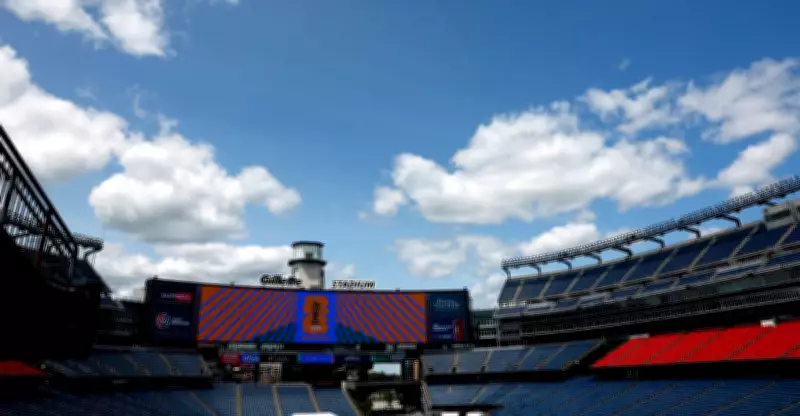
The Foxborough Select Board, governing the Massachusetts town hosting seven 2026 World Cup matches at Gillette Stadium, has entered a high-stakes confrontation with FIFA and Boston organizers over $7.8 million in unsecured security funding. The dispute threatens to disrupt preparations for major games including England's group stage match against Ghana and a quarter-final fixture.
Small Town Governance Meets Global Sports Behemoth
Foxborough, a community of approximately 18,000 residents located about 25 miles southwest of Boston, typically handles municipal matters like sewer connections and liquor licenses. However, the town's authority over stadium licensing has propelled its five-member Select Board into negotiations with the world's most powerful football organization. "This board does not want to deny this license, by any means," declared one member during Tuesday's tense meeting, "but we will if we have to."
The security funding shortfall represents a staggering financial burden for Foxborough, equating to roughly $1,000 per household or approximately 10% of the town's annual budget. While the Kraft family, owners of the New England Patriots and stadium operators, typically cover security for regular events, FIFA's separate operational requirements have created this unprecedented financial gap.
Federal Funding Impasse Complicates Resolution
A significant portion of the $7.8 million was supposed to come from Federal Emergency Management Agency (FEMA) grants, but ongoing partial government shutdowns have delayed these funds indefinitely. The Department of Homeland Security, which oversees FEMA, remains caught in federal budgetary disputes with no resolution in sight.
Boston 2026 World Cup organizers, represented by CEO Mike Loynd and legal counsel, attempted to reassure the board during the meeting. Attorney Gary Ronan pledged that the host committee would "backstop" the obligation if federal funds failed to materialize, citing support from the billionaire Kraft family. "The Krafts will provide a commitment letter pledging those funds in the next day or two," Ronan assured the board.
Equipment Deadlines Spark Heated Exchange
Goodwill evaporated when organizers revealed safety equipment wouldn't arrive until June 1st—just twelve days before Scotland faces Haiti in the stadium's World Cup opener. "It's not acceptable," declared Select Board Chair Bill Yukna, echoed by Town Manager Paige Duncan who warned of "building a plan in an extremely scary world, getting scarier by the weekend."
Police Chief Mike Grace emphasized the operational crisis: "We are 99 days away from hosting the largest sporting event in the world, and we can't seem to find necessary funding for necessary equipment that's been identified for over a year and a half of planning. Waiting until June 1st is unacceptable."
Legal Posturing and Power Dynamics
Boston 2026 representatives presented slides suggesting the board's authority was limited by Massachusetts statutes, arguing they could only consider safety and health issues, not municipal finances. Town attorney Lisa Mead countered forcefully: "The board has broad discretion on this license... How they make that determination is fully at the discretion of the board."
The confrontation represents classic American small-town resistance against global corporate interests. Foxborough's historical identity as the world's largest straw hat manufacturer before its factory burned in the early 1900s contrasts sharply with its current role as potential World Cup host.
Media Spotlight and Unresolved Tensions
Unusually for local government proceedings, the meeting attracted numerous media outlets from across Massachusetts. Reporters pursued organizers into hallways, though Loynd abruptly ended questions when asked why FIFA doesn't simply cover the costs directly.
Yukna expressed frustration with the attention and process: "Quite honestly, I wish we weren't into this at all. I wish we had resolved all of this a while ago, and I wish we could just move forward." The board postponed any decision until its March 17th meeting, when members will vote formally on the stadium license.
Despite the standoff, most observers consider it unlikely World Cup matches will actually be disrupted, given the enormous financial stakes and organizational resources available to both FIFA and Boston organizers. However, the dispute highlights the complex negotiations between local communities and global sporting events, where municipal authorities retain surprising leverage despite economic disparities.