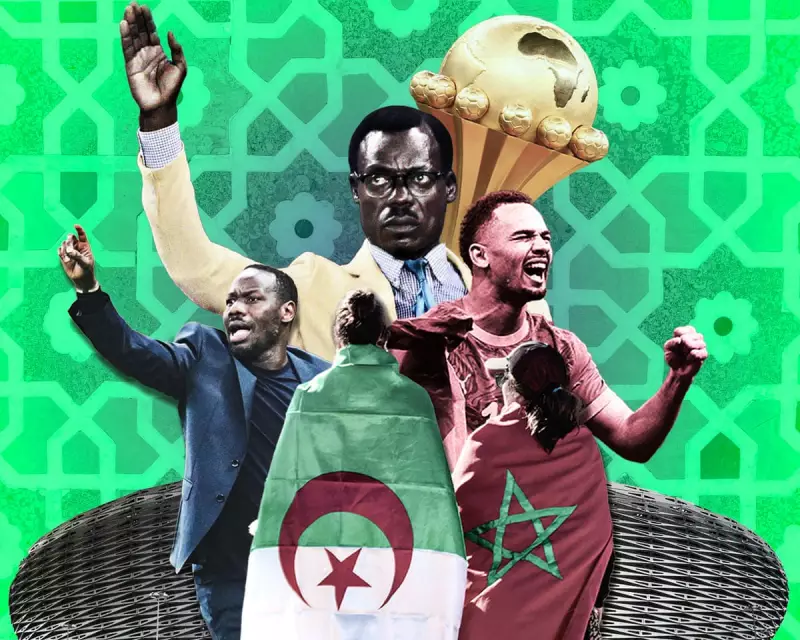
The Africa Cup of Nations 2025, held in Morocco, delivered a tournament brimming with drama, cultural resonance, and sporting intrigue. While Senegal's chaotic final victory captured global headlines, the event offered far more than just on-pitch action. From the stands to the streets, Afcon 2025 provided a rich tapestry of stories that highlight the evolving landscape of African football and its global connections.
Morocco's Grand Ambition and Its Controversies
Morocco's hosting of the 35th Africa Cup of Nations was a clear statement of intent. The nation aimed to showcase its capability to stage major international events, with an eye on future bids like the 2030 World Cup final. From the moment visitors arrived at Mohammed V airport, they were greeted by vibrant displays of music, dance, and extensive Afcon branding, setting a festive tone. The pomp surrounding matches at the Prince Moulay Abdellah Stadium in Rabat further emphasised this concerted PR effort.
However, this ambition was not without its critics. Some locals pointed to a perceived disconnect between the government's eagerness to project a polished image internationally and its responsiveness to domestic issues. For instance, the rapid stadium construction contrasted sharply with the slower recovery efforts after the 2023 earthquake in Al Haouz province. Urban displacement and protests over healthcare shortages added a sombre note to the pre-tournament atmosphere.
The tournament itself, while largely successful, faced controversies. Senegal's allegations of inadequate treatment by the hosts, if substantiated, could undermine Morocco's readiness claims. Incidents such as ballboys hiding towels from Senegalese goalkeepers left a sour taste, highlighting extreme gamesmanship that marred the hosts' reputation. These episodes raise questions about Morocco's suitability for hosting even larger events in the future.
The Diaspora's Unprecedented Presence
Afcon 2025 stood out as the most diasporic edition yet, with fans from across the globe converging in Morocco. British and American-born Nigerians in Fez, Parisian Senegalese in Tangier, and Portuguese Mozambicans in Agadir were just a few examples of the diverse attendees. This global turnout underscored the tournament's far-reaching appeal beyond the African continent.
Nassim Bellaoud and Soriba Cissoko, second-generation Moroccans and Senegalese raised in Paris, encapsulated this spirit. They highlighted how Afcon is a major event in diaspora communities, fostering connections to homelands. Meanwhile, watch parties in cities like New York, organised by figures such as Mayor Zohran Mamdani, demonstrated the competition's growing popularity in international hubs, making it a truly global celebration of African football.
Patrice Lumumba's Enduring Symbolism
One of the tournament's most poignant moments came from the iconic presence of superfan Michel Nkuka Mboladinga, known as Lumumba Vea. Dressed as Patrice Lumumba, the revered first leader of the Democratic Republic of the Congo, he stood motionless during matches, reigniting awareness of Lumumba's legacy. This act served as a powerful counter-narrative to Eurocentric portrayals of Afcon.
The significance was further emphasised when Nigerian striker Akor Adams struck Lumumba's famous pose after a victory over Algeria, responding to earlier mockery by an Algerian player. This gesture highlighted the deep respect for historical figures within African football, reminding fans of the values and struggles embodied by leaders like Lumumba.
A Shift Towards African Coaching Leadership
The tournament marked a significant milestone in coaching representation. Out of 24 teams, 15 were led by African coaches, with 11 progressing beyond the group stage. All four semi-finalists—Morocco, Egypt, Senegal, and Nigeria—were managed by African tacticians, continuing a trend since 2019 of local coaches winning Afcon.
Senegal's coach, Pape Thiaw, exemplified this shift. Despite being cast as a villain in Moroccan media after the final, his tactical acumen and composure under pressure were instrumental in Senegal's triumph. This progress addresses past criticisms, such as those from the late Stephen Keshi, and signals a new era of opportunity for African coaches on the international stage.
The Soundtrack of the Tournament
Music and chants added a vibrant layer to the Afcon experience. Tracks like Wally Seck's song and Moroccan artist Stormy's floor-filler became anthems, while Angolan artist Cleyton M's Money went viral for its catchy beats and choreography. In the stadiums, chants like Dima Maghreb (forever Morocco) echoed, fostering a sense of unity and pride.
Lighthearted moments, such as crowds teasing Egypt's coach Hossam Hassan about his baldness in Egyptian Arabic, showcased the tournament's playful side. These sonic elements enriched the cultural fabric of Afcon, making it an immersive experience for fans both in Morocco and abroad.
In summary, the Africa Cup of Nations 2025 was more than just a football competition; it was a reflection of Africa's sporting evolution, cultural diversity, and global connections. From Morocco's ambitious hosting to the diaspora's enthusiastic participation, the tournament offered valuable insights into the future of African football and its place on the world stage.