
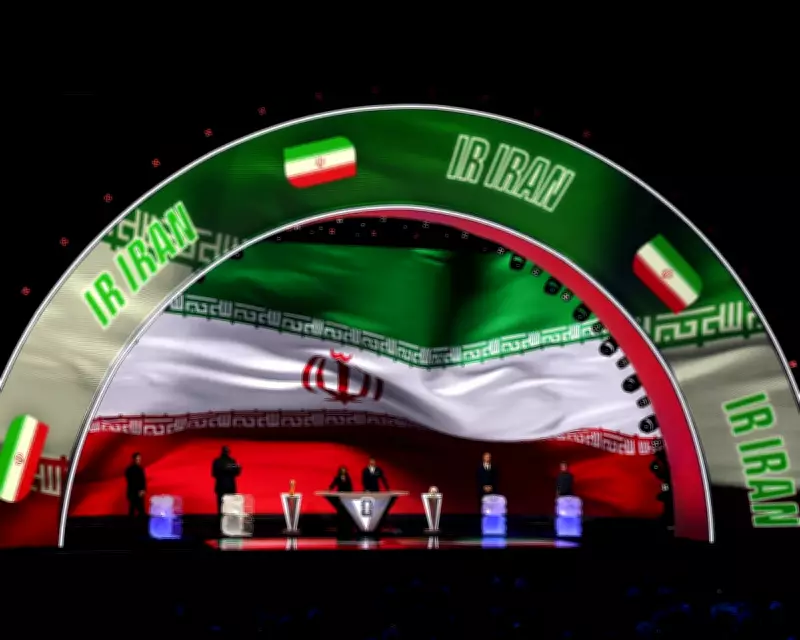
FIFA Stands Firm on US Venues for Iran's World Cup Matches
FIFA has officially rejected a request from the Iranian Football Federation (IFF) to relocate Iran's 2026 World Cup matches from the United States to Mexico. This decision comes despite ongoing security concerns and political tensions following recent joint airstrikes by the US and Israel on Iran.
Iran's Participation in Doubt Amid Security Fears
Iran is scheduled to play two group stage matches in Los Angeles and one in Seattle during the 2026 tournament. However, former US President Donald Trump's recent comments warning that the "life and safety" of Iranian players could be at risk in the United States prompted the IFF to seek alternative arrangements.
Mehdi Taj, president of the Iranian Football Federation, confirmed negotiations with FIFA through a post on the Iranian embassy in Mexico's X account, stating: "We are negotiating with FIFA to hold Iran's World Cup matches in Mexico."
FIFA's Official Response and Logistical Challenges
In response to these developments, FIFA issued a statement emphasizing its commitment to the existing match schedule: "FIFA is in regular contact with all participating member associations, including IR Iran, to discuss planning for the FIFA World Cup 2026. FIFA is looking forward to all participating teams competing as per the match schedule announced."
Multiple sources within FIFA have highlighted several significant obstacles to relocating Iran's matches:
- Commercial complications from already-sold tickets
- Disruption to global broadcast schedules
- Impact on sponsorship agreements
- Inconvenience to other Group G opponents: Belgium, Egypt, and New Zealand
Political Brinkmanship and Tournament Implications
Sources close to the negotiations suggest both the United States and Iran may be engaged in a strategic game of brinkmanship, with each side potentially attempting to create conditions that would force the other's withdrawal from tournament participation. FIFA finds itself caught between these competing political pressures while trying to maintain tournament integrity.
An additional complicating factor involves potential knockout stage matchups. If Iran finishes as runners-up in Group G, they would face the United States in the round of 32 in Dallas, creating further diplomatic and security challenges.
Decision Timeline and Potential Replacements
FIFA is unlikely to make a final determination regarding Iran's participation until its congress in Vancouver on April 30. The organization maintains its official position that it expects Iran to compete as scheduled.
Should Iran ultimately withdraw from the tournament, FIFA would exercise its exclusive authority to select a replacement team. This would mark the first instance of a World Cup withdrawal after the group draw since 1950.
The replacement hierarchy appears to favor:
- Iraq as the next highest-ranked Asian team not already qualified
- The United Arab Emirates if Iraq qualifies through interconfederation playoffs
Iraq faces crucial playoff matches against Bolivia or Suriname later this month, with results potentially determining World Cup participation for multiple nations.