
Formula One Cancels Middle Eastern Races Amid Regional Conflict
Formula One has made the difficult decision to cancel the Bahrain and Saudi Arabia Grands Prix originally scheduled for April, citing the escalating conflict in the Middle East as the primary reason. The Bahrain Grand Prix was set to take place on April 12th, with the Saudi Arabian Grand Prix following just one week later on April 19th.
Safety Concerns Force Cancellation Decision
In an official statement released by Formula One management, the organization confirmed that after careful evaluation of the ongoing situation in the Middle East region, both races would not proceed as planned. The statement emphasized that while several alternatives were considered, no substitutions would be made for the April calendar slots.
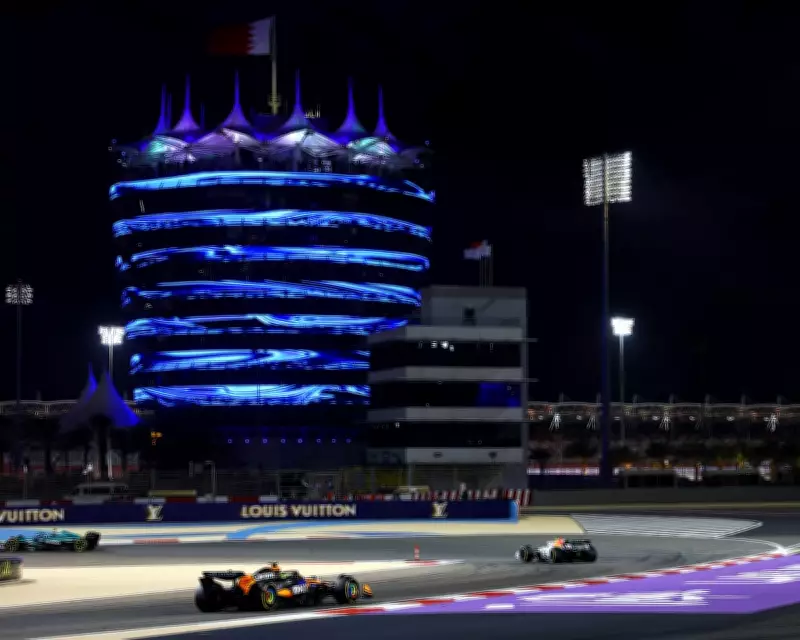
The Bahrain International Circuit in Sakhir presents particular safety concerns, located just 20 miles (32 kilometers) from a United States military base that has already been targeted by Iranian attacks. This proximity to active conflict zones created unacceptable risks for teams, drivers, and spectators alike.
Logistical Challenges Compound Decision
The timing of the cancellation decision was critical, as Formula One was approaching the point where additional freight would need to be dispatched to Bahrain. Some team equipment is already stranded in Bahrain, having been unable to move since pre-season testing, creating concerns about sending more materials that might become unrecoverable.
Stefano Domenicali, Formula One's Chief Executive, expressed regret about the decision while affirming its necessity. "While this was a difficult decision to take, it is unfortunately the right one at this stage considering the current situation in the Middle East," Domenicali stated. He thanked the FIA and race promoters for their understanding and support during this challenging period.
Supporting Racing Series Also Affected
The cancellation extends beyond the Formula One championship races. The Formula 2, Formula 3, and F1 Academy rounds scheduled for the same timeframes will also not take place. This decision was made in full consultation with the Fédération Internationale de l'Automobile (FIA) and respective race promoters.
FIA President Mohammed Ben Sulayem emphasized the organization's commitment to safety above all else. "The FIA will always place the safety and well-being of our community and colleagues first," Ben Sulayem said. "After careful consideration, we have taken this decision with that responsibility firmly in mind."
Calendar Impact and Future Implications
With these cancellations, the 2026 Formula One season will now consist of 22 meetings instead of the originally planned 24. This creates a significant five-week gap between the Japanese Grand Prix on March 29th and what would have been the fourth round in Miami on May 3rd.
This extended break provides teams with additional time to develop their cars under the sport's new regulations, potentially altering the competitive landscape when racing resumes. The cancellations also represent a substantial financial impact for both host nations and the Formula One organization itself.
Broader Motorsport Context
The Formula One cancellations follow similar disruptions in other motorsport series. MotoGP recently announced the postponement of its Qatar Grand Prix from April to November due to the same geopolitical concerns in the Middle East region. This coordinated response across motorsport organizations highlights the severity of the security situation.
As the conflict continues to evolve, Formula One officials remain hopeful about returning to the region when circumstances permit. "We cannot wait to be back with them as soon as the circumstances allow us to do so," Domenicali concluded, expressing optimism about future racing opportunities in Bahrain and Saudi Arabia once regional stability improves.