
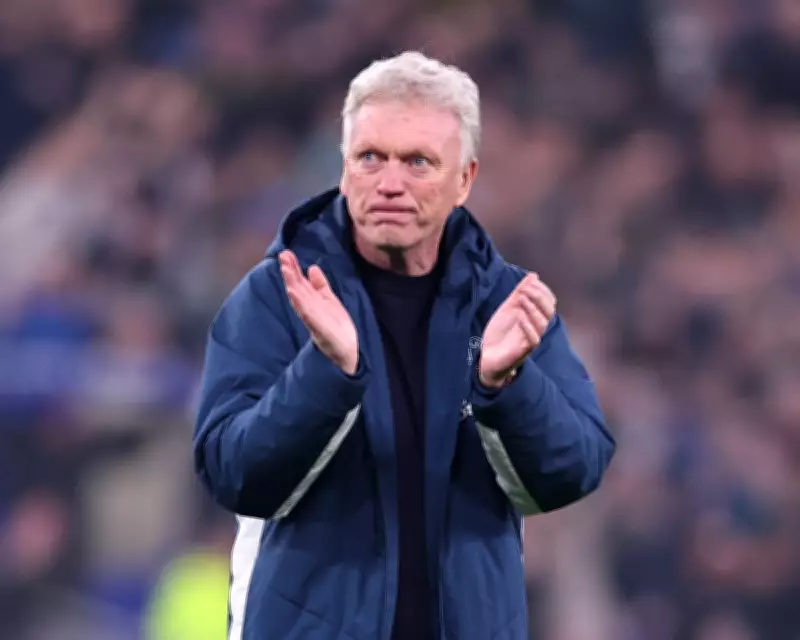
Everton Football Club is preparing to offer manager David Moyes a new contract this summer, in a significant recognition of his remarkable success in transforming the team's fortunes. Moyes, who returned to the club last January, has turned Everton from relegation candidates into genuine contenders for European qualification, prompting the ownership to seek a longer-term commitment.
From Relegation Fears to European Ambitions
When David Moyes signed a two-and-a-half-year deal to succeed Sean Dyche in January, Everton were languishing just one point above the Premier League relegation zone. Fast forward to the present, and the club sits in eighth position, a mere three points outside the coveted Champions League qualification places. This dramatic turnaround has solidified Moyes' standing within the club and among its supporters.
Ownership Confidence in Moyes
The Friedkin Group, Everton's owners who completed a £400 million takeover just a month before Moyes' appointment, initially viewed the manager as a short-term solution. However, the Texan-based investors, led by chairman Dan Friedkin, are now fully convinced that Moyes is the ideal figure to lead Everton forward. They believe his experience and tactical acumen are crucial for the club's future success.
While formal contract discussions are scheduled for the end of the current season, there is a strong sense of optimism at Goodison Park that Moyes is willing to extend his second spell. The manager himself has remained publicly reserved about the talks, stating last week, "I'm not too worried about that, I'm fine." Nonetheless, internal confidence is high regarding a positive outcome.
Enhanced Managerial Role
Any new contract for Moyes is expected to include provisions that grant him greater influence over player recruitment, mirroring the authority he enjoyed during his first tenure from 2002 to 2013. Everton's hierarchy acknowledges that Moyes excels when working with seasoned professionals, such as Jack Grealish and Kiernan Dewsbury-Hall, both of whom joined last summer, rather than relying heavily on younger talents like Tyler Dibling, who has seen limited playing time since his arrival from Southampton.
Potential European Complications
The Friedkin Group's ownership of both Everton and Italian Serie A club Roma introduces a potential complication regarding European competition eligibility. Under current UEFA regulations, clubs controlled by the same entity cannot participate in the same tournament, a rule that recently forced Crystal Palace to drop to the Conference League to avoid a conflict with Lyon.
Roma currently occupies sixth place in Serie A, which would secure a spot in the Conference League. Unlike other multi-club groups, such as those involving Manchester City and Manchester United, the Friedkin Group has chosen not to place either club in a blind trust to demonstrate separation. Instead, sources indicate that the ownership has developed an alternative structural solution to ensure both Everton and Roma can compete if they qualify for the same European competition, expressing confidence that no issues will arise.
This strategic planning underscores the Friedkin Group's commitment to building a sustainable and competitive future for Everton, with David Moyes at the helm. As the season progresses, all eyes will be on whether Moyes can secure European football and, subsequently, a new contract that reaffirms his pivotal role in the club's resurgence.