
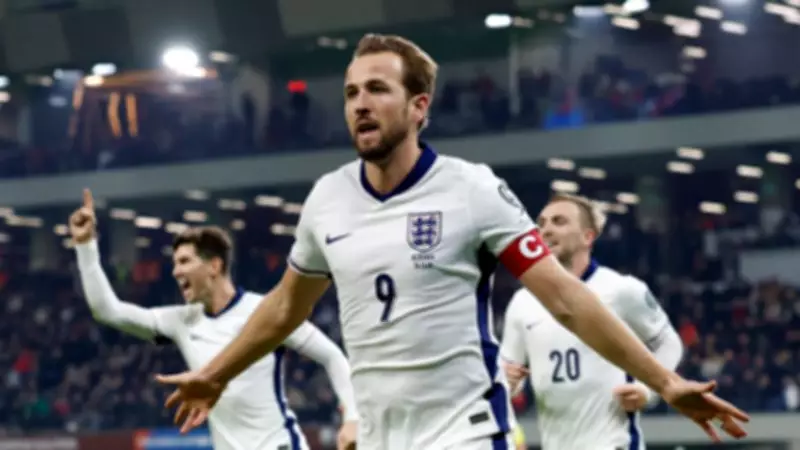
England Football Stars Voice Concerns Over Political Pressure at World Cup
England's national football team players have raised significant concerns with their union about not wanting to be pressured into speaking out on political issues surrounding the upcoming World Cup, Sky News can exclusively reveal. With just 100 days remaining until the tournament kicks off in the United States, Canada, and Mexico, players are grappling with how to navigate a politically-charged environment.
Players Express Frustration Over Political Expectations
Professional Footballers' Association chief executive Maheta Molango told Sky News that England players, including captain Harry Kane, have discussed their reluctance to become political spokespeople during tournament preparations. "We're talking about people who are smart, who are socially conscious, who understand they don't live in a bubble," Molango explained. "They recognize they have a platform that can be used to create positive change, but some have expressed feeling it's unfair that they're expected to become spokespeople for governments or governing bodies that should be taking the lead themselves."
The PFA chief elaborated on player frustrations, noting that some felt "hung out to dry" during previous tournaments. "Instead of having governments or governing bodies showing leadership on certain topics, suddenly players were asked to become political spokespeople," Molango stated. "That's not what they are. These people are paid for delivering a show on the pitch."
Historical Context and Current Concerns
The buildup to England's last men's World Cup appearance in Qatar was dominated by activism plans, with the Football Association initially planning a rainbow armband for Kane to highlight LGBTQ+ rights before withdrawing it under FIFA pressure. While the FA discussed migrant worker conditions and former manager Gareth Southgate addressed political issues more openly than current boss Thomas Tuchel, players now face a different set of challenges.
This summer's tournament occurs against a backdrop of concerns raised by rights groups about Donald Trump's travel bans, immigration policies, militarization of policing, discrimination issues, and military actions against Iran and Venezuela. Germany's experience at the last World Cup serves as a cautionary tale, with captain Joshua Kimmich later expressing regret that his team expressed themselves "in a very political way" as they exited in the group stage.
Players Seek Control Over Their Platforms
According to Molango, England players are actively discussing these issues privately but want to determine when and how to use their public platforms. "They are talking about all these issues behind the scenes, but they don't necessarily want to discuss them in public," he revealed. "It is for them to use their platform when they deem it appropriate. Most have views, they're very conscious of what's going on, and they want to make a difference, but it needs to be on their own terms."
The PFA chief emphasized that players cannot be held accountable for political situations in host countries when they have no say in tournament selection. "When a player does not speak, it's not that he or she does not care," Molango asserted. "Give players a voice on FIFA decisions, and they'll be able to be held accountable, but you cannot cherry-pick when it suits you to let players have a choice. I think that's unfair."
Football's Political Dilemma
Awkward scenes during last summer's Club World Cup highlighted the political challenges facing football, with Juventus players challenged by Donald Trump on transgender participation in sport and military action against Iran during an Oval Office visit. Trump was also prominently featured at the World Cup draw in December, receiving a peace prize created specifically for him by FIFA President Gianni Infantino.
Molango expressed strong views on keeping football separate from political agendas. "Football needs to be out of politics, football needs to cater for everyone and should never be perceived as siding with one side or the other, irrespective of what we may think morally," he stated. "The money of football should never be used for any political goals. So I think that's absolutely wrong."
As the World Cup approaches, England players continue to balance their roles as athletes with increasing expectations to address complex political issues, seeking to maintain focus on their primary responsibility: delivering exceptional performances on the world's biggest football stage.