
Champions League Riches Ignite Premier League Funding Debate for EFL Deal
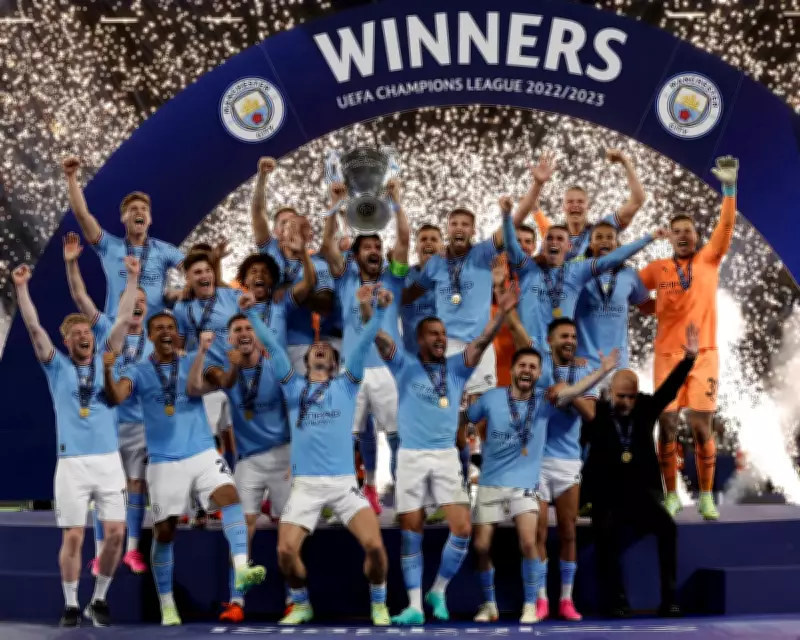
A fierce debate is brewing within the Premier League over how to fund a new financial settlement with the English Football League, with mid-ranking clubs pushing for a radical redistribution of Champions League revenue. The six English teams competing in this season's Champions League, including Manchester City as the 2023 winners, are set to share more than £600 million in broadcast income and prize money, sparking calls for a levy on this windfall to support lower divisions.
Stalled Negotiations and Regulatory Intervention
Talks for the so-called New Deal for Football have been stalled since midway through the 2023-24 season, when the Premier League paused negotiations after failing to secure club support for an £880 million funding package over six years. The newly established Independent Football Regulator has been tasked by the government with reviving these discussions and holds backstop powers to impose a settlement if an agreement cannot be reached. However, deep divisions persist within the Premier League regarding the funding mechanism.
Proposed Levy on UEFA Income
A senior source at an established top-flight club revealed that a "hell of a debate" is imminent over financing the deal. Clubs are planning to petition the IFR and Premier League to introduce a levy on UEFA income, mirroring systems in other European leagues. The source argued, "We all want to do a deal with the EFL, but why should it be solely funded by the Premier League's TV money? If that's the case, a disproportionate burden will fall on smaller clubs, who in effect will be funding their direct rivals in the EFL."
Champions League Payouts and Disparities
Manchester City, Liverpool, Arsenal, Chelsea, and Tottenham have each banked over £80 million for reaching the last 16 of the Champions League, while Newcastle's share is approximately £50 million due to a lower score on UEFA's value pillar assessment, which factors in historical performances. This disparity highlights the vast sums at stake, fueling the argument for a more equitable redistribution.
European Precedents for Redistribution
Other European leagues already implement similar levies. In the Netherlands' Eredivisie, Dutch clubs in UEFA competitions must pay 5% of their group-stage prize money to non-qualifying teams, dropping to 3.75% in the knockout stages, with an additional 15% of UEFA revenue distributed to second-tier clubs. Proponents in England believe adopting such a model could ease the financial burden on smaller Premier League clubs and foster solidarity across the football pyramid.
Regulatory Timeline and Future Steps
The plans for a levy are in early stages, partly because the IFR's role in the New Deal negotiations is just beginning. The regulator's first task is to complete its State of the Game review, scheduled for publication early next year. IFR chair David Kogan has met with the Premier League and EFL, urging them to reach an agreement, but cannot impose one until the review concludes. As the debate intensifies, the outcome could reshape football finances in England, balancing elite success with broader support for the sport's lower tiers.