
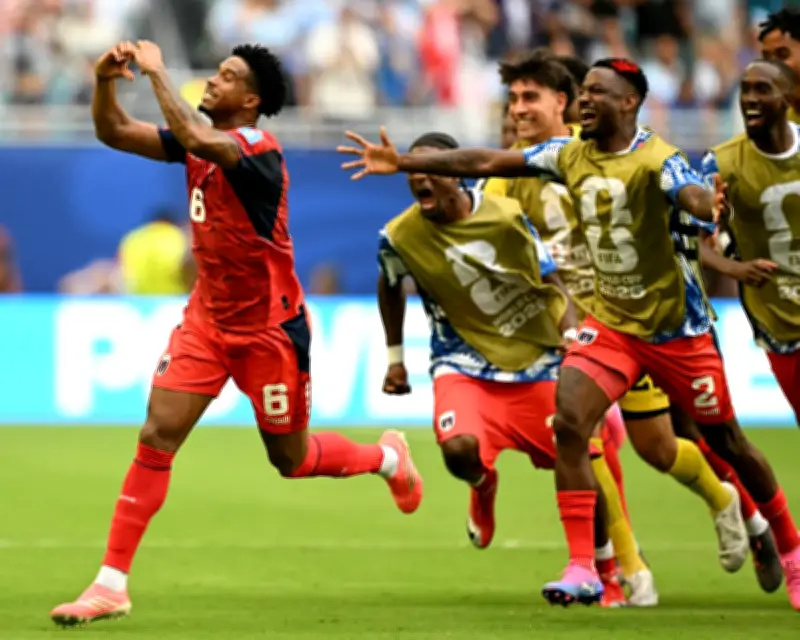
Cape Verde, an archipelago of 10 islands off the coast of West Africa, has qualified for its first FIFA World Cup, set to be held in 2026. This achievement makes Cape Verde the smallest African nation by population to ever reach the tournament, with just over 560,000 inhabitants. The team, known as the Blue Sharks, secured their place by finishing top of their qualifying group, ahead of more established footballing nations like Nigeria and South Africa.
The Diaspora Effect: Players from Across the Globe
One of the key factors behind Cape Verde's success is its large diaspora. More Cape Verdeans live abroad than on the islands themselves, with significant communities in Portugal, the United States, France, and the Netherlands. Many of the national team's players were born or raised overseas, including stars like Ryan Mendes (born in France) and Jamiro Monteiro (born in the Netherlands). This has allowed Cape Verde to draw on a wider pool of talent than its small population would suggest.
According to coach Bubista, "Our diaspora is our strength. We have players who have developed in top European academies, and they bring that experience to the national team." The team's style combines European tactical discipline with the flair and creativity typical of Portuguese-speaking African nations.
A Unique Footballing Identity
Cape Verde's footballing identity is shaped by its history and culture. The islands were uninhabited until the Portuguese colonized them in the 15th century, leading to a blend of African and European influences. This is reflected in the team's playing style, which emphasizes technical skill, quick passing, and adaptability. The Blue Sharks are known for their resilience and ability to compete against physically stronger opponents.
The team's rise has been gradual. Cape Verde first qualified for the Africa Cup of Nations (AFCON) in 2013, reaching the quarterfinals. They have since become regulars at the tournament, and their World Cup qualification marks a new milestone. The government has invested in football infrastructure, including new training facilities and youth academies, to sustain this growth.
Key Players to Watch
Several players will be crucial to Cape Verde's World Cup campaign. Ryan Mendes, a winger who previously played for Lille and Nottingham Forest, is the team's captain and all-time leading scorer with 15 goals. Jamiro Monteiro, a midfielder who plays for Philadelphia Union in MLS, provides creativity and energy. Defensively, the team relies on center-back Roberto Lopes, who plays for Shamrock Rovers in Ireland, and goalkeeper Vozinha, who has over 50 caps.
The squad also includes emerging talents like winger Garry Rodrigues (a former Galatasaray player) and striker Júlio Tavares, who plays in the French Ligue 2. The team's average age is 27, blending experience with youthful exuberance.
Impact on the Nation and African Football
Cape Verde's qualification has sparked celebrations across the islands and among its diaspora. The government declared a national holiday on the day the team secured its spot. The achievement is also significant for African football, as it demonstrates that smaller nations can compete on the global stage with proper development and strategic use of diaspora talent.
"We are proof that size doesn't matter," said midfielder Jamiro Monteiro. "We have heart and we have talent. We want to show the world what Cape Verde can do." The team's success could inspire other small African nations to invest in football and embrace their diasporas.
Challenges Ahead
Despite the euphoria, Cape Verde faces challenges. The team lacks the depth of larger nations, and injuries to key players could be devastating. They also have limited experience against top-tier opponents, having played only a handful of matches against World Cup regulars. However, the team's spirit and tactical flexibility give them hope.
Cape Verde has been drawn in Group H alongside Brazil, Portugal, and Saudi Arabia. While advancing will be difficult, the team aims to be competitive and perhaps spring a surprise. Their first match against Saudi Arabia on June 15, 2026, is seen as their best chance for a positive result.
Regardless of results, Cape Verde's World Cup debut is a historic achievement that puts the island nation on the global football map. It is a story of perseverance, identity, and the power of a united diaspora.