The Interception That Echoes Through NFL History
Eleven years have passed since Malcolm Butler's dramatic interception in Super Bowl XLIX, yet the play continues to reverberate through the annals of American football. That single moment on February 1, 2015, didn't just secure the New England Patriots' 28-24 victory over the Seattle Seahawks – it fundamentally altered the trajectory of both franchises and sparked one of the most enduring debates in sports history.
A Rookie's Defining Moment
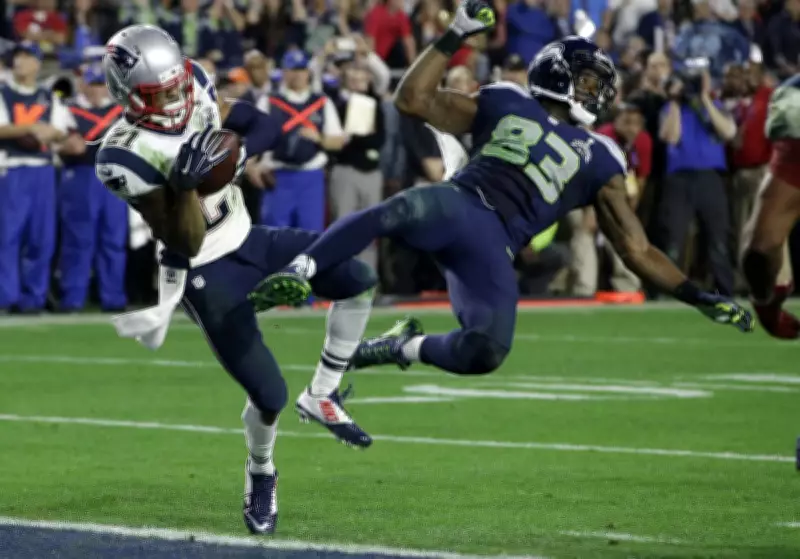
When the undrafted rookie defensive back stepped onto the field during the final minute of Super Bowl XLIX, few could have predicted the seismic impact he was about to make. With Seattle positioned at New England's one-yard line, needing just a single yard to potentially win the championship, the Seahawks opted for a pass play rather than handing the ball to their powerhouse running back Marshawn Lynch.
"I ain't got nothin but one job to do," Butler recalls telling himself in that critical moment. "If they throw this ball, it's mine." His preparation and instinct proved perfect as he read the play, crashed into receiver Jermaine Kearse, and intercepted Russell Wilson's pass intended for Ricardo Lockette.
The Aftermath: Two Franchises Forever Changed
The immediate consequence was clear: Tom Brady took two kneel-downs, and the Patriots secured their fourth Super Bowl victory. But the long-term effects proved far more profound. For New England, Butler's interception became the foundation for what would become the most successful dynasty in NFL history, with the Patriots appearing in ten Super Bowls over the next 24 years and winning seven championships.
For Seattle, the impact was devastating. What many had predicted would be the beginning of a Seahawks dynasty instead became the catalyst for internal turmoil. The once-vaunted Legion of Boom defense began to fracture, with players publicly expressing resentment toward Wilson and coaching decisions. The team that had dominated Denver 43-8 in the previous Super Bowl never reached those heights again.
Was It Actually the Right Call?
Eleven years later, the question persists: was Seahawks head coach Pete Carroll's decision to pass rather than run actually correct? The statistics and situational analysis suggest it might have been. Seattle had four attempts from the five-yard line with a timeout remaining. Passing on at least one of those plays kept the Patriots' defense guessing, and targeting Butler – an undrafted rookie who had been beaten earlier in the game – made strategic sense.
"Being around great coaches and players, you understand situational football," Butler explains. "From the one-yard line, the only thing Kearse can do is run a slant or an out route. I didn't know the pick to set up the slant was coming, but I only had one job to do and that was cover the guy and make a play."
Carroll himself has defended the decision, stating he made the call based on feel and the specific defensive alignment. Had the play succeeded, it would have been celebrated as a brilliant piece of strategic thinking rather than the most criticized call in Super Bowl history.
The Legacy Lives On
Today, at 36 years old and two years into retirement, Butler remains one of football's most significant emotional triggers. The play earned him a place in Patriots lore, another Super Bowl ring in 2017, and eventually a lucrative contract with the Tennessee Titans. He still possesses the Chevy Colorado pickup truck that Tom Brady gave him after being named Super Bowl MVP – a tangible reminder of that fateful night.
Meanwhile, the Seahawks continue to grapple with what might have been. "We [were] at the peak of our careers with a chance to go ahead and start a dynasty," Marshawn Lynch reflected in 2023, "and we fumbled the bag on the [one]-yard line."
Beyond the Gridiron
Butler has channeled his football success into community work, hosting free football camps at his Mississippi high school for eleven consecutive years, collaborating with the American Diabetes Association, and serving as a volunteer assistant defensive backs coach at Houston's St Thomas High. Yet even in his coaching role, the shadow of that interception persists.
"A couple of my players are Seahawks fans," Butler reveals. "One of them texted me: 'You're not playing this time.'" The playful jab underscores how deeply that single play remains embedded in football consciousness – a moment of triumph for some, heartbreak for others, and endless debate for all who witnessed it.
Every morning, Malcolm Butler wakes up grateful the Seahawks never handed the ball to Marshawn Lynch. And every morning, Seahawks fans wake up wondering what might have been if they had. Such is the enduring power of a play that didn't just decide a championship, but reshaped NFL history.