Brown Girl Sport Marks Third Anniversary with Empowerment and Progress
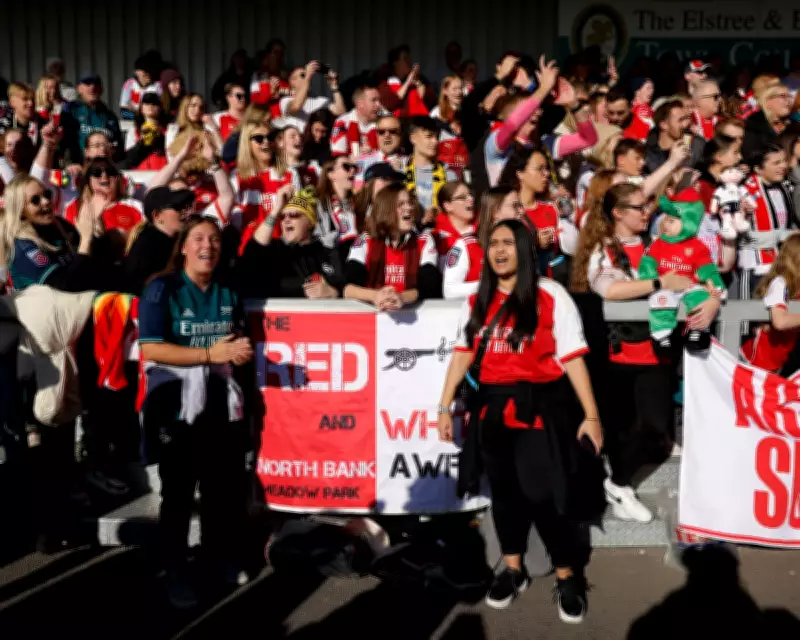
In a vibrant celebration at Stamford Bridge, the award-winning platform Brown Girl Sport commemorated its third anniversary, highlighting its crucial role in supporting South Asian women and girls in the sporting world. The event, held before Arsenal's 2-0 victory over Chelsea in the Women's Super League, radiated a powerful atmosphere of celebration, empowerment, and determination.
A Community Born from Necessity
Founded by the pioneering journalist Miriam Walker-Khan, Brown Girl Sport began as a simple Instagram account and has blossomed into a significant online community and platform. Its mission is to amplify the stories of South Asian women and girls in sport, directly challenging the pervasive stereotype that brown women are disinterested or uninvolved in athletic pursuits.
Walker-Khan, a British-Pakistani journalist and former diversity reporter for Sky Sports News, created the platform after repeatedly encountering resistance in mainstream media, where stories about South Asian communities were often dismissed as too niche. Her perseverance paid off, notably with a well-received BBC documentary marking the 20th anniversary of Bend It Like Beckham, which demonstrated a clear public appetite for these narratives.
"That sums up my career: people not really getting what I'm doing and then it blows up because people want and need these stories," Walker-Khan reflects. "There's a treasure trove of these stories and they are stories of defiance and empowerment."
Breaking Isolation and Building Bridges
The anniversary event underscored the platform's success in creating a much-needed safe space. Attendees, including young players like Leytonstone's Liberty, expressed how Brown Girl Sport provides access and visibility. "History tells us that Brown girls have talent and sometimes this goes unnoticed," Liberty stated, emphasising the importance of community and recognition.
For many, like Farah Chowdhury, chair of the Arsenal Women Supporters Club, the platform has been a lifeline. Chowdhury, who often finds herself as the only ethnic minority in football fan forums, describes the isolation that can accompany such roles. "You can still feel very alone because you look around and don't see people who look like you," she explains. Walker-Khan has become her go-to source for support, especially when confronting racist incidents.
Chowdhury's experience highlights ongoing challenges. "I've been around Arsenal since I was eight and I'm 32 now... but people still have to question my knowledge of football and my experience. I'm a book judged by its cover all the time," she says, pointing to the persistent scrutiny faced by women of colour in football spaces.
Announcing New Initiatives for Growth
The celebration at Stamford Bridge was not just about reflection; it also marked a forward-looking step. Brown Girl Sport announced the launch of a new supporters' club for women of colour, established in partnership with Chelsea Women. Additionally, an ambassador programme was unveiled, featuring prominent athletes such as footballer Layla Banaras, cricketer Naomi Dattani, and tennis player Eden Silva.
These initiatives aim to formalise and expand the support network, addressing practical barriers that South Asian women and girls face in sport. For instance, Banaras has openly discussed the challenge of finding halal meat while travelling for matches, and Chowdhury has pointed to cultural discomfort with communal shower facilities as a simple yet significant obstacle to inclusion.
A Platform for Advocacy and Change
Beyond community building, Brown Girl Sport serves as a vital platform for advocacy. Chowdhury has used it to speak out against racism and Islamophobia, notably following a social media incident involving racially insensitive content. She expressed frustration at the pressure placed on minorities to be the "bigger person" after facing abuse, and criticised football organisations for their silence during last year's far-right riots in Britain.
"I don't think people realise that you don't have to be an outright racist to post racist material," Chowdhury notes, highlighting the role of education in combating discrimination.
Walker-Khan emphasises the unique, intersectional nature of the community Brown Girl Sport has fostered. "It's a genuine safe space and I don't think that exists really in women's football for women of colour," she says. "To bring all the intersections of the community together was significant."
As Brown Girl Sport moves into its fourth year, its impact is clear: it is not only celebrating South Asian women in sport but actively dismantling barriers, challenging stereotypes, and building a more inclusive future for football and beyond.