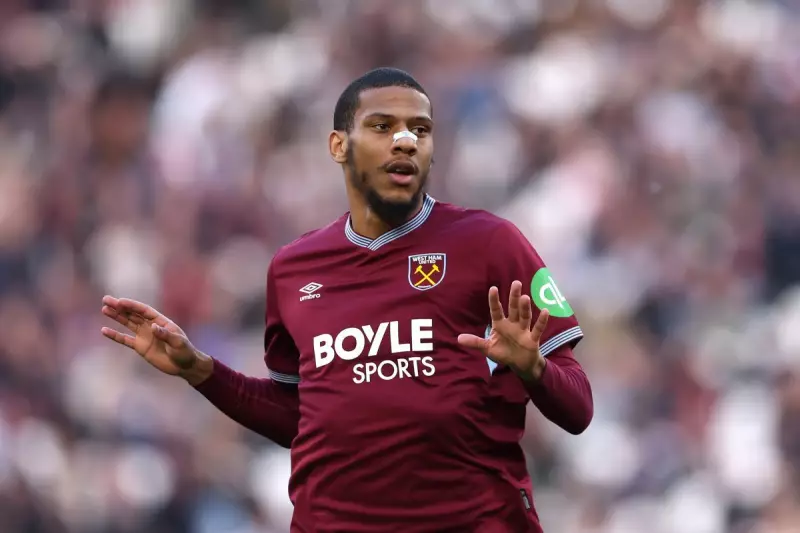
The chief executive of a leading bookmaker has reassured the Premier League that the gambling industry will not abandon football, despite a landmark ban on front-of-shirt sponsorships coming into force next season.
The Premier League's Voluntary Ban
Earlier this year, England's top football clubs collectively voted to implement a voluntary ban on having betting firms as their main shirt partners. This significant move is scheduled to take effect at the start of the next campaign.
The decision has major implications for the league, where over half of the 20 Premier League teams currently have their primary sponsorship deals with gambling companies. These clubs will now be compelled to seek alternative partners for their most prominent advertising space.
Bookmaker's Commitment to Football
Vlad Kaltenieks, the Chief Executive of BoyleSports, which sponsors West Ham United, has publicly stated that the ban will not drive bookmakers away from the sport. He emphasised the industry's desire to remain a part of the football ecosystem, provided it can be done responsibly.
"We really like being part of the ecosystem," Kaltenieks told City AM. "We're all in terms of being able to do that in a responsible way, and we welcome what the Premier League is doing in that sense. I think they have their reasons to impose the ban."
He confirmed that discussions with West Ham are ongoing regarding the future of their partnership. However, he acknowledged that the new restrictions present a creative challenge. "The ban leaves us in the position where we really need to creatively think in terms of what's next because the opportunities are limited," he said.
Future Avenues for Sponsorship
While the front-of-shirt position will be off-limits, the voluntary ban does not prevent gambling firms from securing secondary placements. This includes sleeve sponsorships and potentially even stadium naming rights deals.
Kaltenieks pointed to the shrinking 'prime estate' available for brands to showcase themselves. He described the current West Ham partnership as a key opportunity to "shout loudly" before the ban is enacted.
Looking ahead, he suggested that technology companies are the most likely candidates to replace bookmakers on the front of shirts. He cited Spotify's innovative deal with FC Barcelona, where album art sometimes replaces the standard logo, as a prime example of forward-thinking commercial strategy. He also made a case for luxury brands entering the market.
This sponsorship shift coincides with potential financial pressures from the government. Chancellor Rachel Reeves's upcoming Budget is expected to announce tax hikes on gambling firms, a move projected to earn the Treasury millions of pounds.
Kaltenieks urged caution from the government, warning that a previously "solid and stable" regulated environment could be disrupted, potentially driving jobs offshore. He called for the maintenance of a "competitive but also well regulated environment, so that companies like ours can continue to invest."