
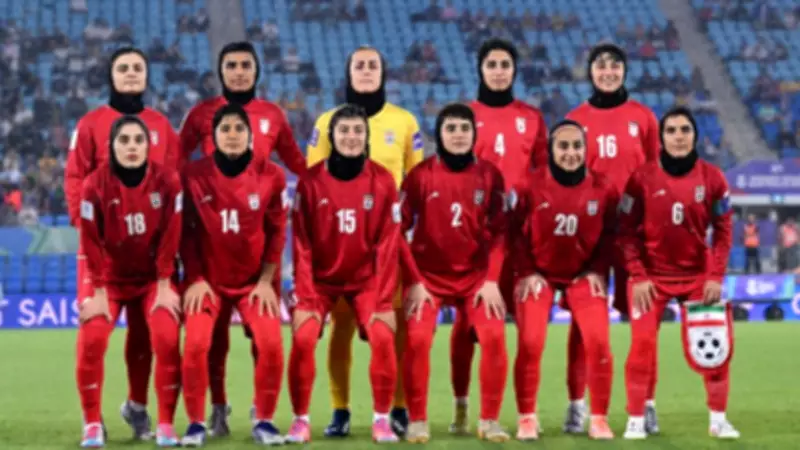
Australia Grants Humanitarian Visas to Iranian Women's Football Team Members
In a significant humanitarian gesture, the Australian government has granted visas to seven members of Iran's women's national football team, including players and staff, amid serious concerns for their safety. This decision follows their controversial refusal to sing the Iranian national anthem during the Asian Cup tournament, an act that has drawn severe criticism back in Iran.
Growing Humanitarian Crisis
The latest development saw two additional team members—one player and one staff member—receive humanitarian visas, bringing the total to seven individuals now under Australian protection. These women have been reunited with five teammates who received similar visas just a day earlier, creating a small but significant community of Iranian athletes finding sanctuary in Australia.
Home Affairs Minister Tony Burke confirmed the visa grants while revealing that not all applicants received approval. "There is a reason why some people were not made a direct offer [to stay]," Burke told reporters. "There were some people leaving Australia who I am glad are no longer in Australia." He declined to provide further details about the security assessments that led to these decisions.
Political Pressure and Public Support
The Australian government faced mounting pressure to protect these athletes after they were eliminated from the tournament. Prime Minister Anthony Albanese expressed the nation's solidarity, stating: "Australians have been moved by the plight of these brave women. They are safe here and they should feel at home here."
The controversy stems from the team's silent protest during their March 2nd match against South Korea, which occurred just two days after the United States and Israel began military operations against Iran. Iranian television commentators harshly criticized the players, with one describing their silence as the "pinnacle of dishonor." Presenter Mohammad Reza Shahbazi went further, declaring: "Traitors during wartime must be dealt with more severely."
International Concern and Divided Interpretations
The players' union FIFPRO expressed "really concerned" about the team's welfare and reported being unable to contact them. Meanwhile, interpretations of their silent protest varied widely—some viewed it as an act of resistance against the Iranian regime, while others believed it represented mourning for their country following the attacks.
Notably, the team did sing and salute during subsequent matches against Australia and the Philippines, though concerns emerged that they might have been coerced into these displays of patriotism.
Dramatic Scenes and Public Demonstrations
As the team prepared to depart, dramatic scenes unfolded at their Gold Coast stadium. Dozens of supporters chanted "let them go" and "save our girls" as the team bus left the venue. According to CNN reports, at least three players were seen making the international hand signal for help from the bus windows.
Before the remaining squad members departed for Iran, Iranian Australians staged protests at both the team's hotel and Sydney airport, attempting to prevent the women from returning to what they believed would be certain danger.
High-Profile Advocacy and Ongoing Threats
Exiled crown prince Reza Pahlavi, residing in the United States, confirmed that five specific players—Fatemeh Pasandideh, Zahra Ghanbari, Zahra Sarbali, Atefeh Ramazanzadeh, and Mona Hamoudi—were now in a "safe location." He had previously warned about "ongoing threats" facing the team following their "brave act of civil disobedience."
The Australian Iranian Council amplified these concerns through an online petition urging authorities to "ensure that no member of Iran's women's national football team is to depart Australia while credible fears for their safety remain."
Pathway to Permanent Status
Minister Burke outlined the next steps for the seven Iranian nationals now under Australian protection. "The seven Iranians are now on humanitarian visas," he explained, "and the processing will soon start for them to move to what's called a resolution of status, which is a permanent visa." This suggests Australia is preparing to offer these women long-term sanctuary rather than temporary protection.
The remaining team members departed Sydney late Tuesday local time to return to Iran, leaving behind their seven teammates who now face an uncertain but potentially safer future in Australia. The situation highlights the complex intersection of sports, politics, and human rights in international conflicts.