In a landmark decision that will reshape the football calendar, the Africa Cup of Nations (Afcon) is set to move from a biennial to a quadrennial tournament, starting in 2028. The announcement, confirmed by Confederation of African Football (Caf) president Patrice Motsepe on the eve of the 2025 tournament in Morocco, marks a significant victory for FIFA president Gianni Infantino, who has long advocated for the change.
A Decision Years in the Making
The shift culminates a campaign initiated by Infantino over five years ago. In February 2020, he addressed Caf's executive committee in Rabat, arguing the two-year cycle was "useless" and that a four-year format would benefit nations "at the commercial level" and help project African football globally. His vision has now been realised, a move likely welcomed by Premier League clubs and other European leagues which have long been disrupted by the mid-season tournament.
However, the change is understood to have sparked considerable anxiety within numerous African football associations. Historically, Afcon has generated around 80% of Caf's total revenue. The prospect of halving the frequency of their primary cash cow has led to widespread fears of a severe financial shortfall.
Political Manoeuvring and Internal Tensions
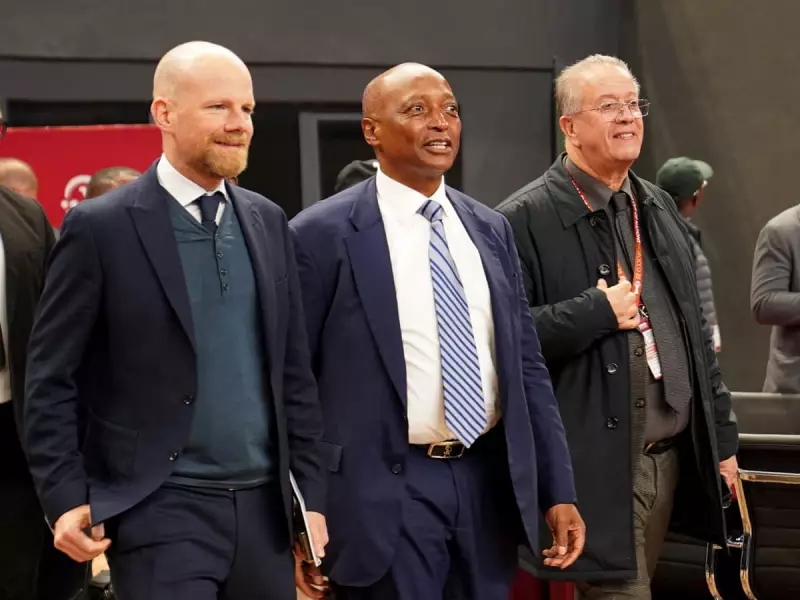
The announcement's staging was telling, with Motsepe flanked by FIFA's general secretary, Mattias Grafström. This visual underscored the close alignment between the continental and global bodies. Motsepe, a South African billionaire, had previously publicly disagreed with Infantino's plan in 2021, stating "we need the money." His apparent U-turn highlights the political pressures at play.
Insiders point to the influential role of Caf's general secretary, Véron Mosengo-Omba, in implementing FIFA's will. A close friend of Infantino since their university days, the DR Congo native has been accused by staff of creating a "toxic culture of fear" and running the confederation as his personal fiefdom. Sources claim Motsepe has rarely visited Caf's Cairo headquarters, with one stating the president had met staff only once in four years.
Financial Promises and Unanswered Questions
In a bid to offset the financial impact, Caf has announced it will increase its annual contributions to each of its 54 member associations from $200,000 to $1 million. It also promises better salaries for its employees and is banking on the launch of an annual African Nations League in 2029 to generate new income.
Yet, critical questions remain unanswered. The future of existing competitions like the African Nations Championship (Chan) and regional tournaments such as the Cosafa Cup is unclear. Furthermore, the change jeopardises a lucrative eight-year media rights deal Caf is negotiating. Bidders IMG and Iris Sport Media (ISM) were reportedly basing their valuations—potentially up to $1 billion—on Afcon remaining a biennial event.
The congested global football calendar forced Caf to schedule the 2025 Afcon in December, deviating from its intended summer slot. Infantino has previously suggested future tournaments could occupy a new extended international window in September-October, though fitting a 24-team event into three weeks presents a major logistical challenge.
While Motsepe has faced accusations of weakness for capitulating to FIFA, he framed the decision as a necessary compromise for player welfare. "I fought, but had to look at the facts," he said, emphasising the need to end fixture conflicts between clubs and national teams. Despite his assurances, the evidence suggests African football's strategic direction is increasingly being steered from Zurich rather than its own continent.