Bull riding, once dominated by tradition and rugged individualism, is undergoing a quiet revolution as modern sports science finally infiltrates the arena. The sport, experiencing unprecedented growth thanks to cultural phenomena like Yellowstone and Beyoncé's Cowboy Carter, is now embracing performance technology that could transform how riders train and compete.
The Cultural Boom Meets Antiquated Training
Rodeo is enjoying a remarkable resurgence, with attendance, broadcast viewership and prize money reaching record levels. This surge has attracted a new generation of young athletes hoping to make their name in the sport. Yet despite this boom, athlete development has remained stubbornly stuck in the past.
"The sport of rodeo is decades behind," states Doug Champion, the 36-year-old founder of Optimal Performance Academy. His new rodeo school aims to modernise athlete development in a sport where frontier roots have traditionally resisted change. "It's always been 'rodeo cowboy' - we are just now entering the chapter of the 'rodeo athlete.'"
From Cowboy Tough to Performance Optimised
Historically, limited financial support for anyone outside the top performers fostered a culture that prized toughness over innovation. Rodeo athletes typically come from ranching and farming backgrounds where medical care was often scarce and "cowboying up" through injuries was the norm.
"It was just a different way of thinking, no preparation, no taking care of your body, and if you're hurt, sick or tired it doesn't matter because being a cowboy is about being tough," Champion explains.
This mindset is deeply embedded in rodeo culture. Cody Custer, the 1992 PRCA World Champion now teaching at workshops, describes the traditional approach: "There's a sense of being an outlaw, renegade, individualistic. I'm gonna just plug up and do my own thing and win this thing."
The New Science of Bull Riding
Optimal Performance Academy represents a fundamental shift. At their week-long training camps, young riders undergo sophisticated performance testing previously unseen in amateur bull riding. The academy partnered with Australian pioneers in VALD performance testing, using force plates, dynamometers and motion capture to measure key metrics.
This technology creates detailed simulations of each athlete, allowing coaches to identify and address sport-specific weaknesses. The testing is commonplace in elite sports worldwide but marks a first for bull riding at this level.
"The biggest thing that we realised is nothing about rodeo that happens physically is normal or natural to the body," Champion notes. "In no way shape or form through regular exercise patterns or everyday life are you going to improve your ability to perform in the arena."
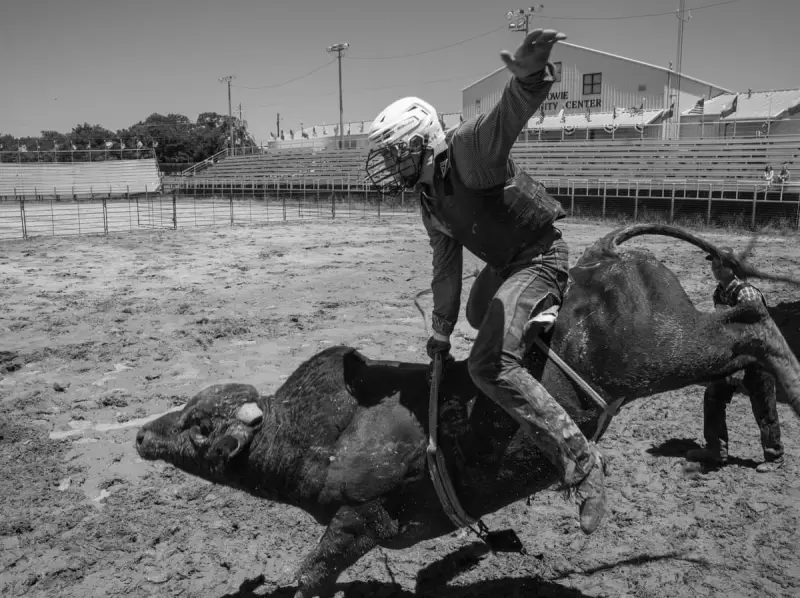
The workshops blend theory and practice, covering nutrition, social media sponsorship strategies, personal finance, and goal-setting alongside performance testing and rodeo-specific workouts. Practice sessions include using bucking machines that simulate bull movements and two days of live bull riding.
For their seventh workshop in Decanter, Texas, Champion brought in 88 bulls for riders to cycle through, with medical teams standing by throughout the intense training sessions.
The Personal Journey Driving Change
Champion's mission stems from personal experience. A promising young rider himself, he broke his back in 2010 falling from a bronco. His difficult recovery revealed how much more rodeo athletes could do to enhance strength, technique and injury resilience.
Reflecting on traditional training methods, he says: "It was just get on as many horses as you can because if you get on more, you'll figure it out sooner. Well, I got on 300 horses and got my absolute dick slammed in the dirt every time and I didn't learn anything."
His goal now is to shorten training time for young riders attempting to break into professional circuits, giving them more healthy years to compete and earn a living. Given rodeo's brutal physical demands, which often force retirement by the late 20s or early 30s, this approach could significantly extend careers.
The Addictive Allure of Bull Riding
Despite the risks and challenges, bull riding's appeal remains powerful for young athletes. Most are freelancers who travel at their own expense to competitions, hoping to win enough to fund their next trip. Many still maintain day jobs and some even sleep in their cars to save money.
Gabe Martin, a 22-year-old from Felton, Delaware who services ponds during the week and chases bull riding circuits on weekends, captures the sport's magnetic pull: "Bull riding is a drug. It's the most addictive thing that I've ever experienced in my entire life. It's engulfed my life and I just can't get away from it."
As Champion works to modernise the sport, he acknowledges the tension between innovation and tradition. "I think rodeo is stuck in tradition, and I think that people fear that with change will come loss of tradition," he observes.
Yet his approach represents a fundamental shift from rodeo's historical "trial by fire" methods toward a more scientific, sustainable future for the athletes who risk everything for eight seconds of adrenaline-fuelled glory.