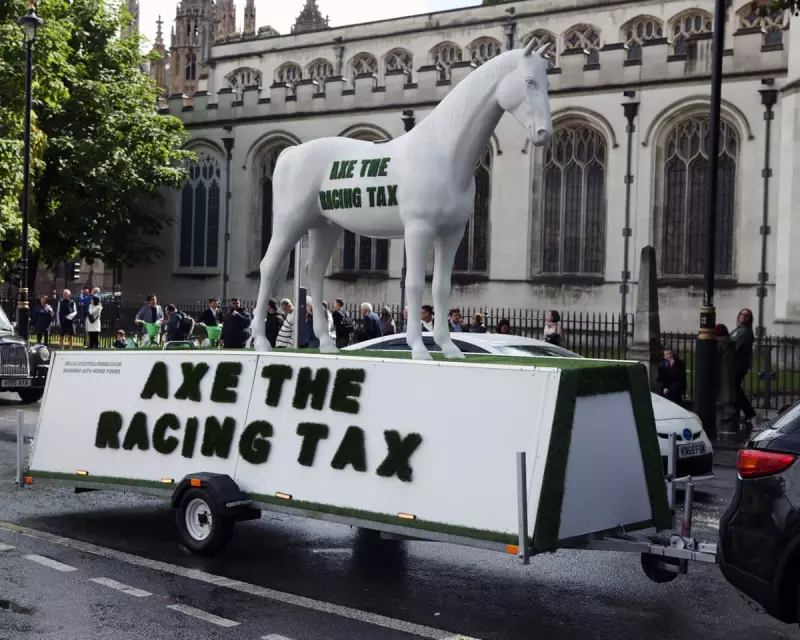
Racing Industry Celebrates Major Budget Victory
The British horseracing industry is celebrating a significant victory following Chancellor Rachel Reeves's first budget announcement, which confirmed that betting duty on horse racing will remain unchanged at 15%. The decision represents a successful conclusion to the seven-month 'Axe The Racing Tax' campaign that mobilised the entire racing community against proposed tax increases.
How the New Gambling Duty System Works
While horse racing betting duty remains protected, the budget introduces substantial changes to other forms of gambling taxation. Remote Gaming Duty (RGD) on online slots and casino games will effectively double from 21% to 40%, while the tax rate for online betting on other sports will rise from 15% to 25%. The government's approach specifically targets online games of chance, which are associated with higher rates of gambling-related harm compared to single-event betting.
Lord Charles Allen, chair of the British Horseracing Authority, paid tribute to "everyone who has played their part across the sport" in achieving this outcome. He stated: "I would like to commend the chancellor and the government for listening to the concerns of British racing and offering their clear support for our sport. The government has rightly recognised that we are not only a vital part of the fabric of the British way of life, but we are also a global leader and one of the country's most important soft power levers."

Campaign Success and Industry Reaction
The 'Axe The Racing Tax' campaign launched in response to Treasury proposals to "harmonise" duty rates across all forms of betting and gaming. Martin Cruddace, chief executive of Arena Racing Company and a key campaign figure, emphasised that harmonisation "would gravely impact our industry." He added: "As a sport and industry, we continue to offer a real contribution to this country, supporting communities and culture. I am so glad that the government has recognised that fact."
The new regime aligns closely with proposals from the Social Market Foundation think tank. Dr James Noyes, who co-authored their recent report on gambling tax, welcomed the decision: "We are pleased that the government has decided to differentiate between different types of gambling product – increasing the duty on more harmful remote casino content while protecting horseracing from the planned rise in betting duty."
Brant Dunshea, the BHA's acting chief executive, highlighted the significance of the racing industry speaking with one voice: "Our sport is often criticised for being fragmented and not joined up. I think this is a very good example of how when the sport comes together with a shared purpose and a shared goal, we are an incredibly powerful voice to government."
The budget also allocated an additional £26 million to the Gambling Commission to combat potential increases in unlicensed gambling, addressing concerns raised by the Betting and Gaming Council about possible consequences of tax rises.